

Spinning Jenny
The multi-spindle spinning frame was one of the key developments in the industrialization of textile manufacturing during the early Industrial Re...
Explore artifactDiscover artifacts, instruments and engineered systems through the same twelve fields as our History directory.
Textiles & Clothing · 32 entries
The multi-spindle spinning frame was one of the key developments in the industrialization of textile manufacturing during the early Industrial Re...
Explore artifact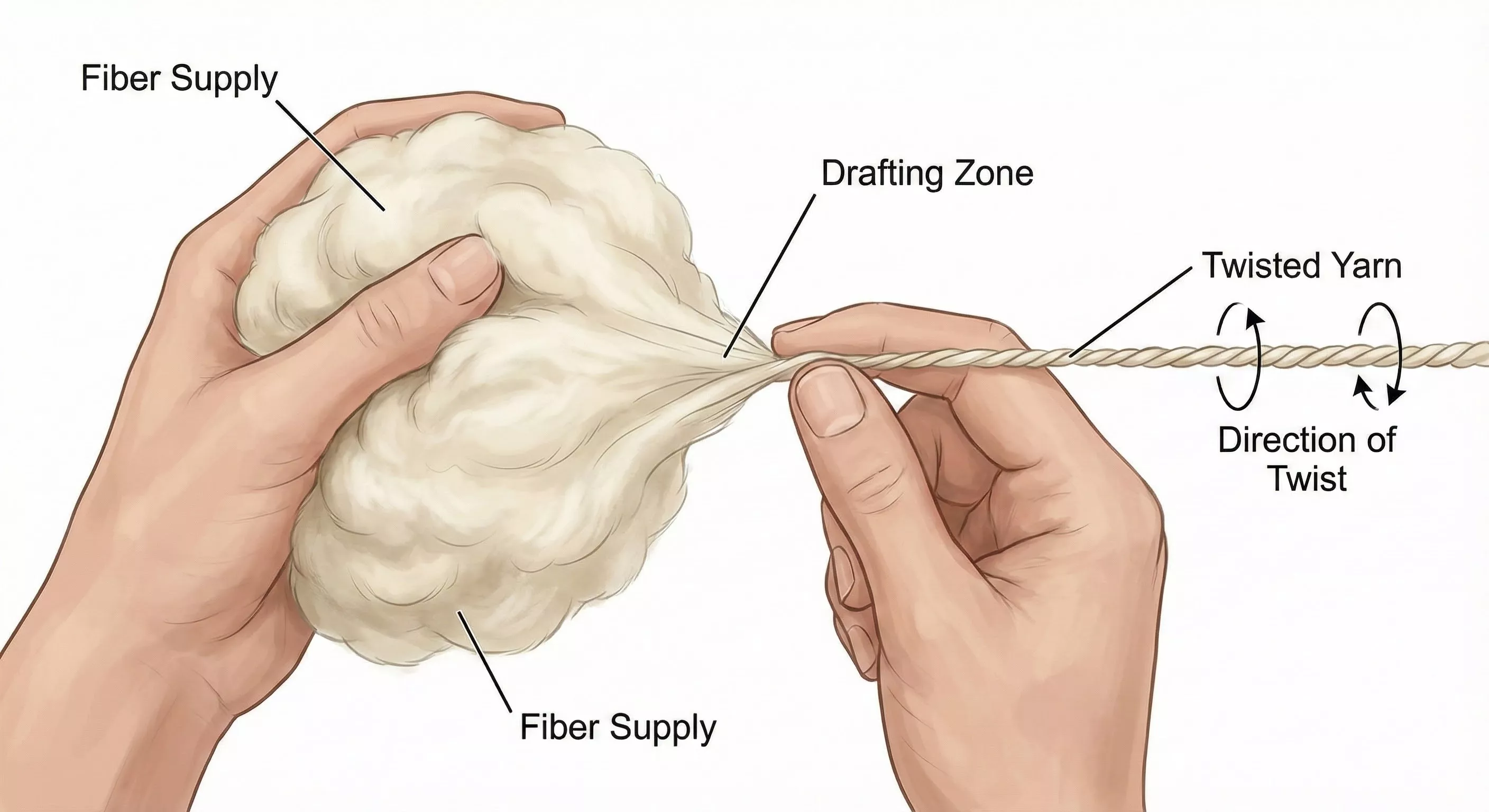
Finger-twisting is one of the earliest and most fundamental spinning techniques in human history. It requires no tools at all—no spindle, no whee...
Explore artifact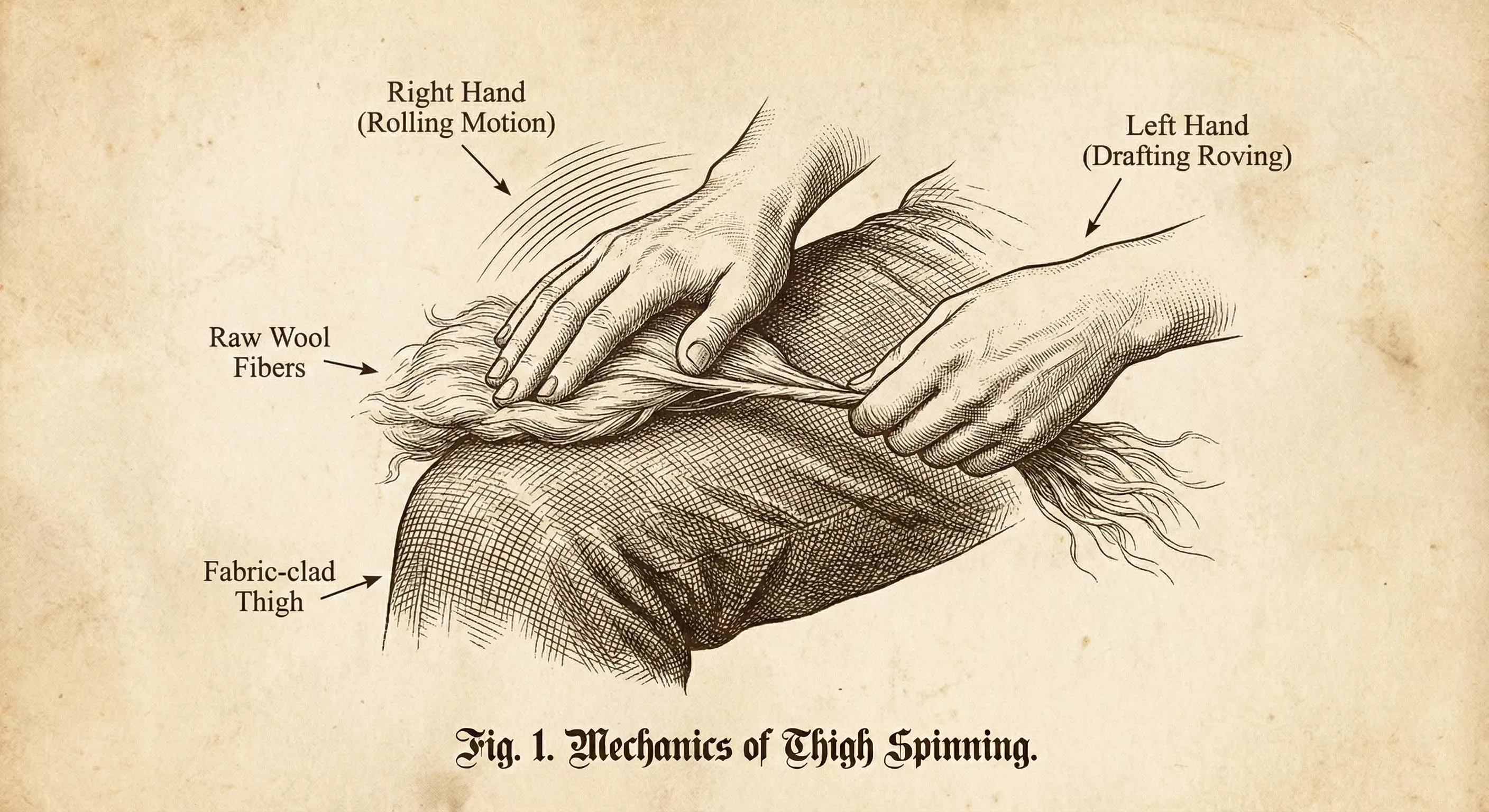
Thigh SpinningThigh spinning is an early spinning technique that is more efficient than finger-twisting, yet still requires no tools. It uses the...
Explore artifact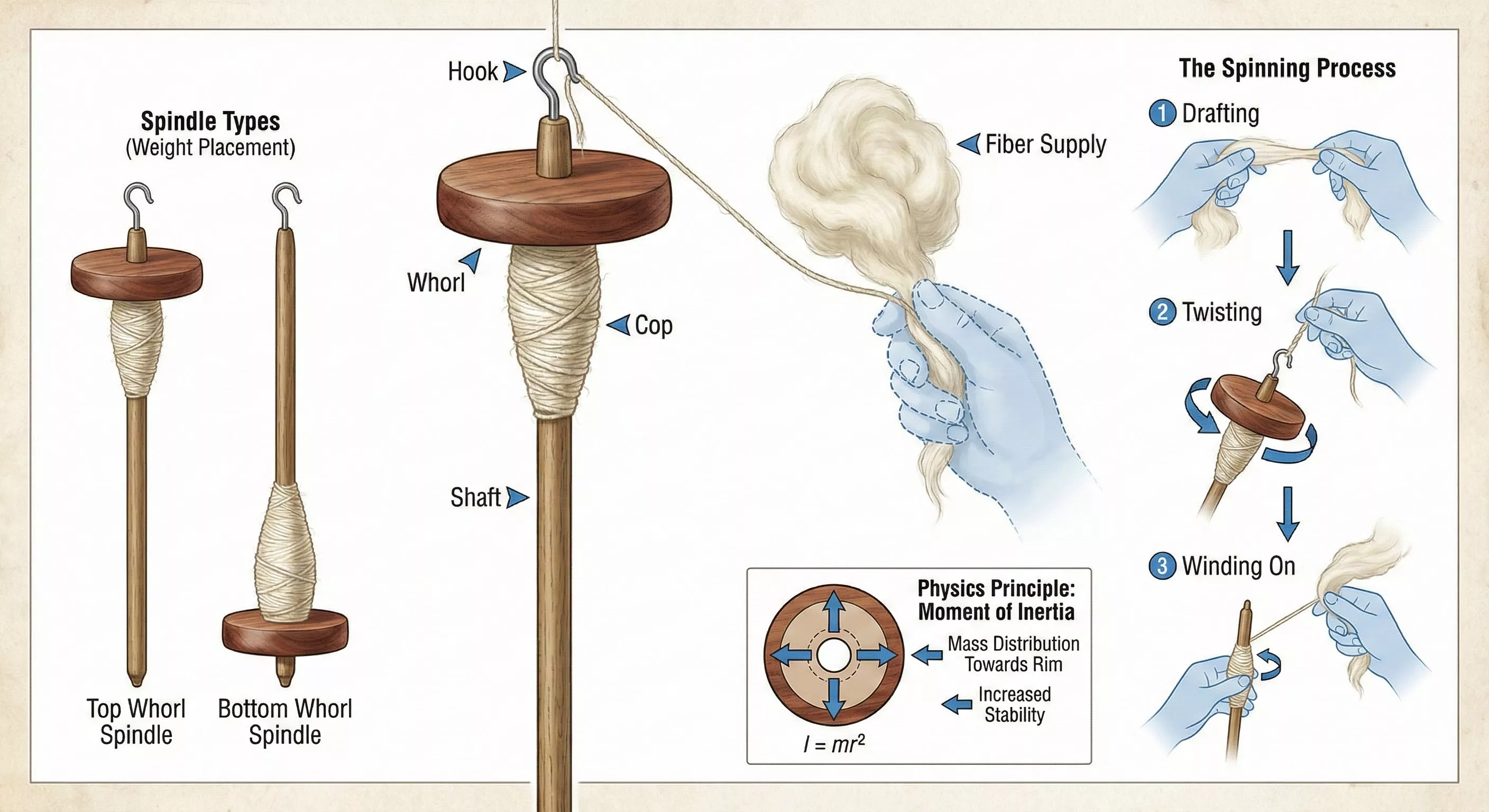
The drop spindle is the first true rotary tool in the history of spinning. It externalized continuous rotation from the human body into an object...
Explore artifact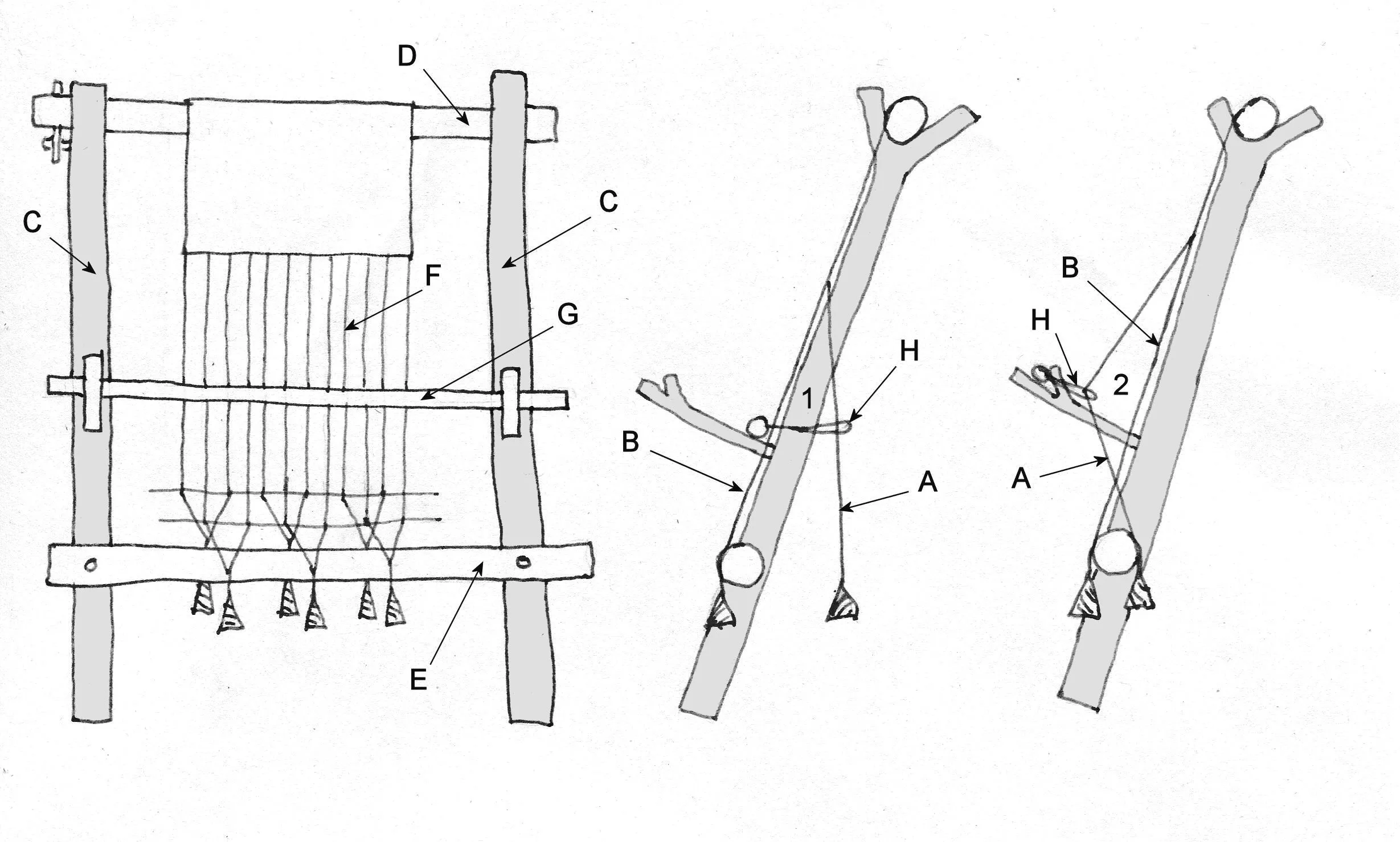
Warp-weighted looms are one of the earliest and most influential weaving technologies in human history. Used widely in prehistoric and early hist...
Explore artifact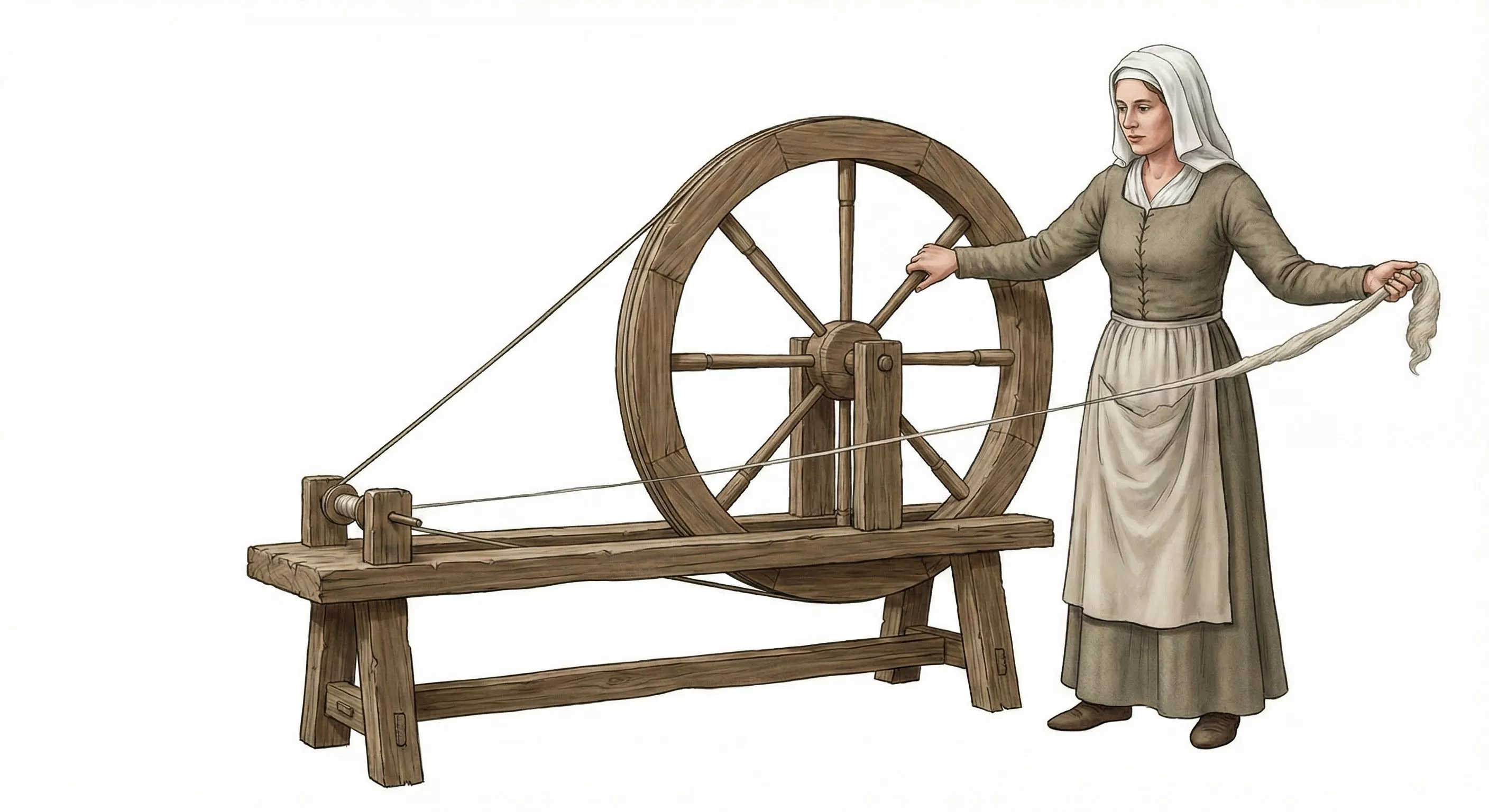
The spinning wheel is one of the most important inventions in the history of textile production. It transformed spinning from an intermittent, ha...
Explore artifact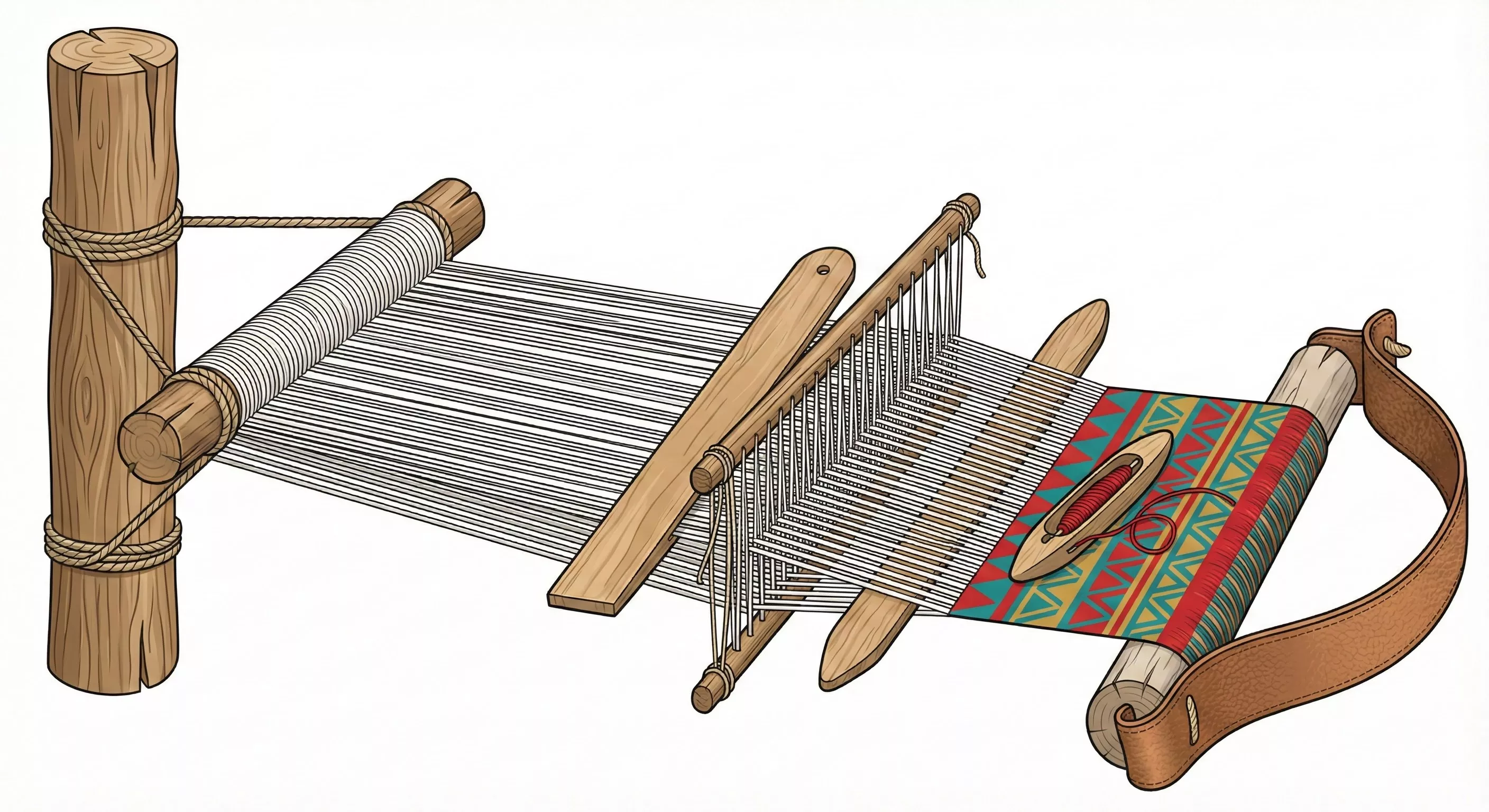
The backstrap loom is one of the oldest and most direct body-based weaving technologies in human history. It has no fixed frame and does not rely...
Explore artifact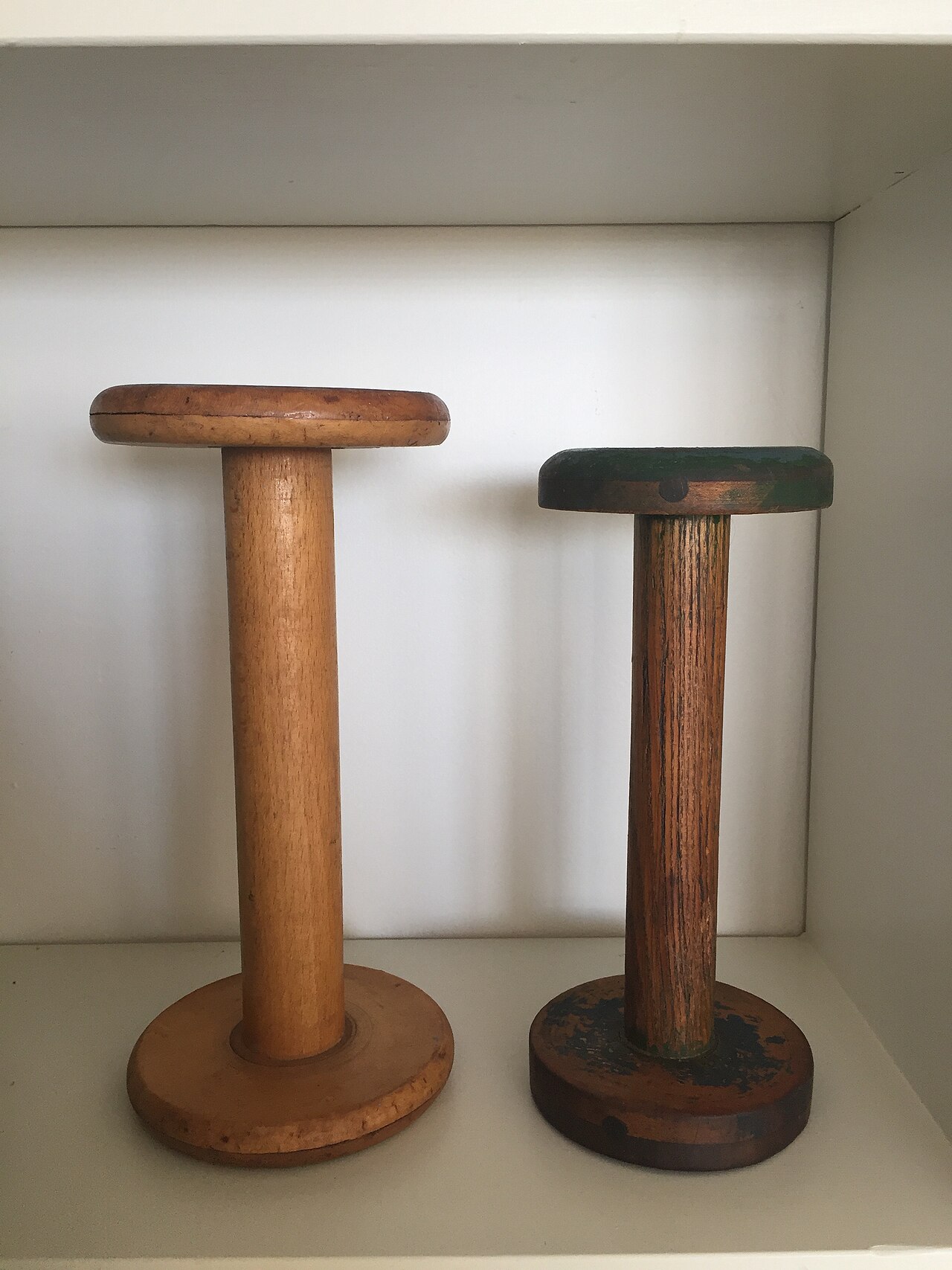
A bobbin holds wound thread, yarn or wire in a form that can be stored, transported and fed into a machine. Its dimensions and mounting reflect t...
Explore artifact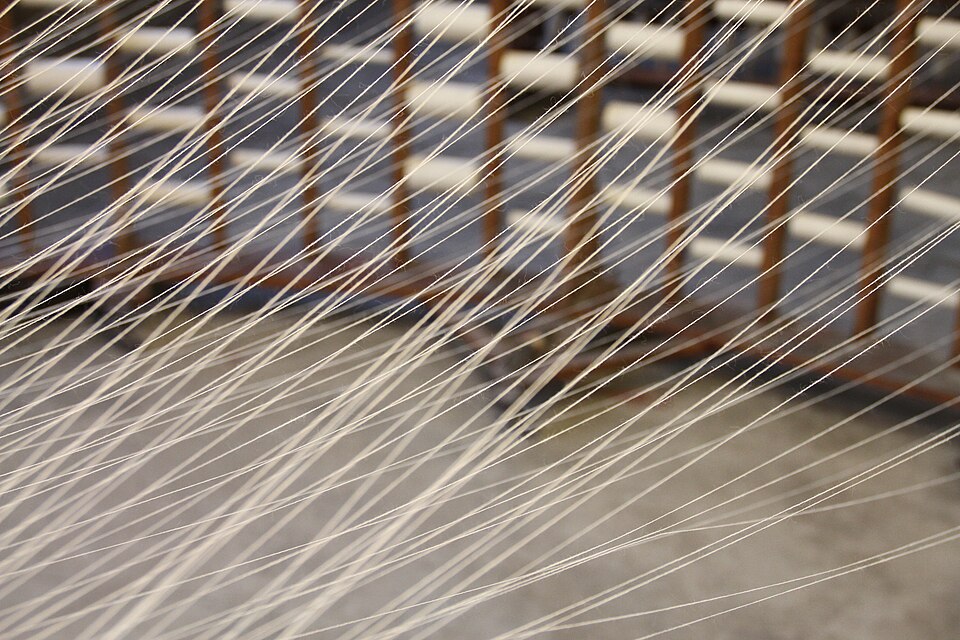
A warping machine arranges many threads into a parallel sheet before weaving. Reels, guides and tension controls prepare a warp of consistent len...
Explore artifact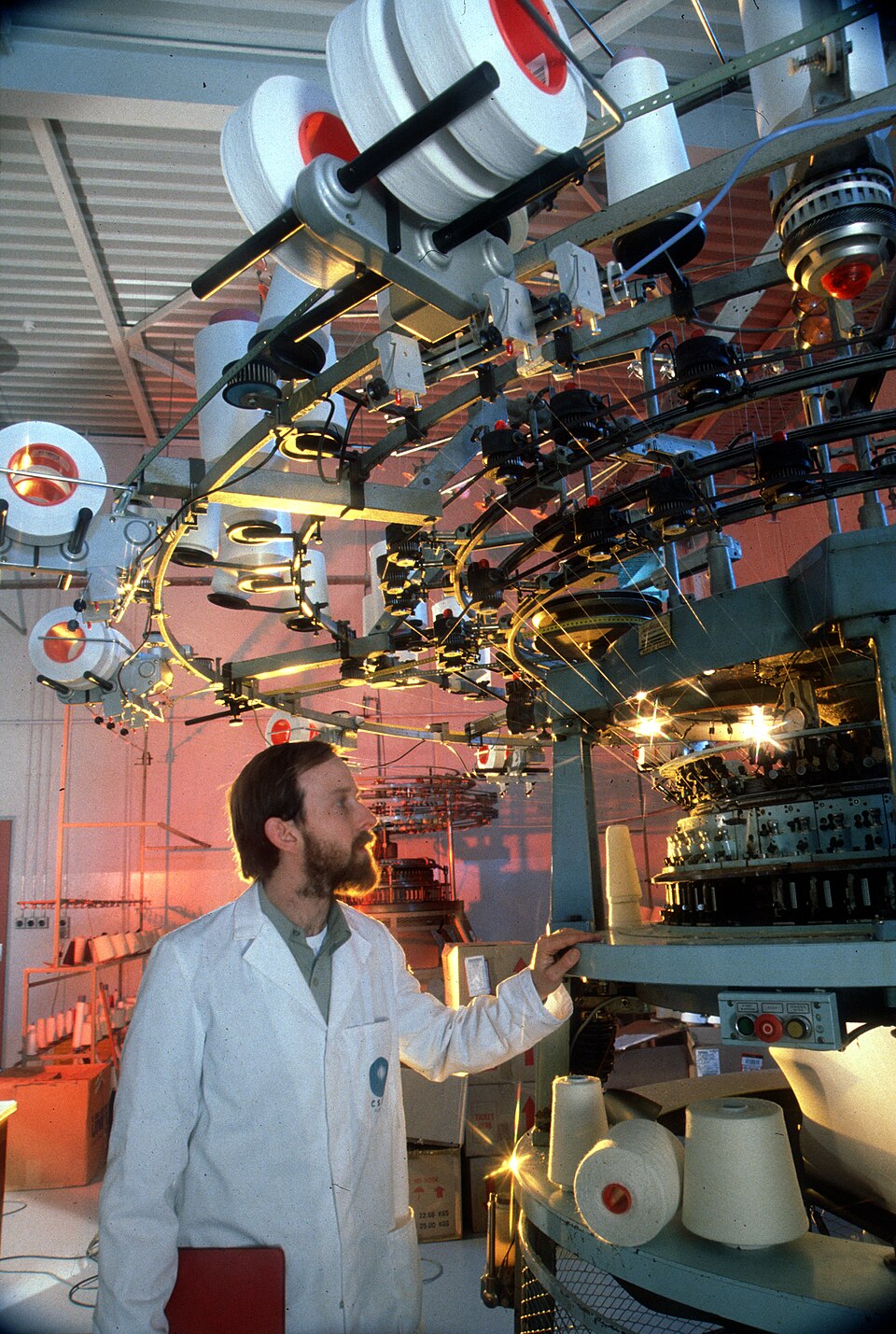
A circular knitting machine arranges needles around a cylinder or dial to produce knitted fabric in a continuous tube. Coordinated cams and yarn...
Explore artifact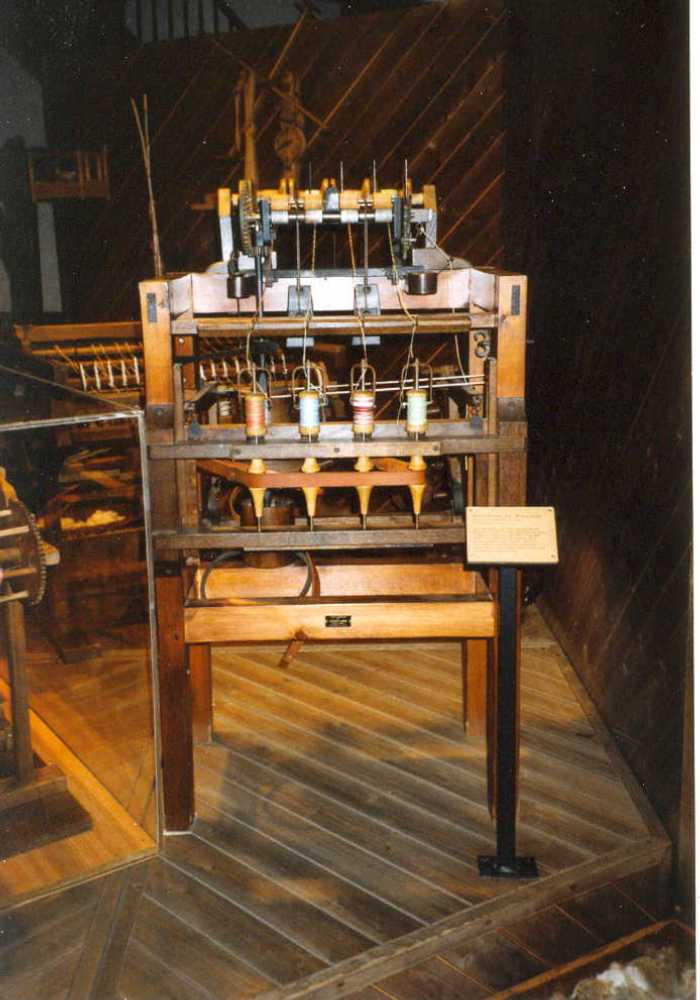
Richard Arkwright's water frame used successive pairs of rollers to draw out fibres before twisting them into yarn. Water power allowed many spin...
Explore artifact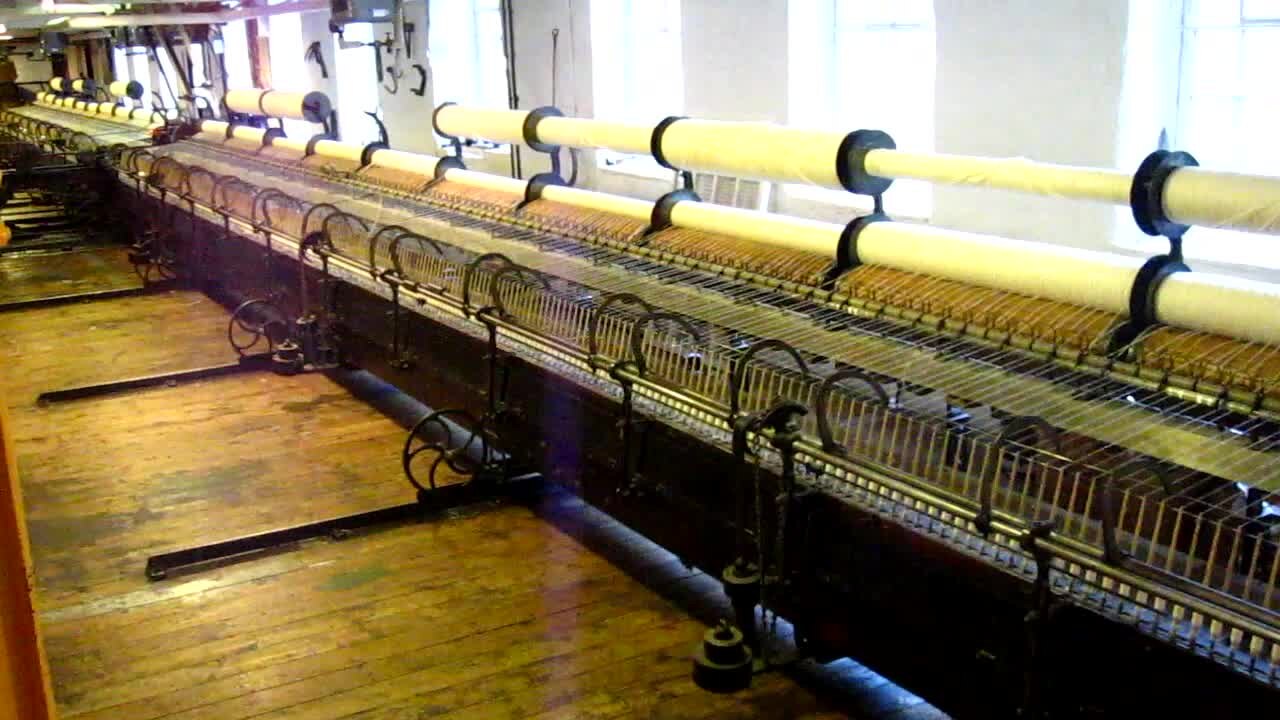
Samuel Crompton's spinning mule combined roller drafting with a moving carriage of spindles. Its alternating outward and return strokes drew, twi...
Explore artifact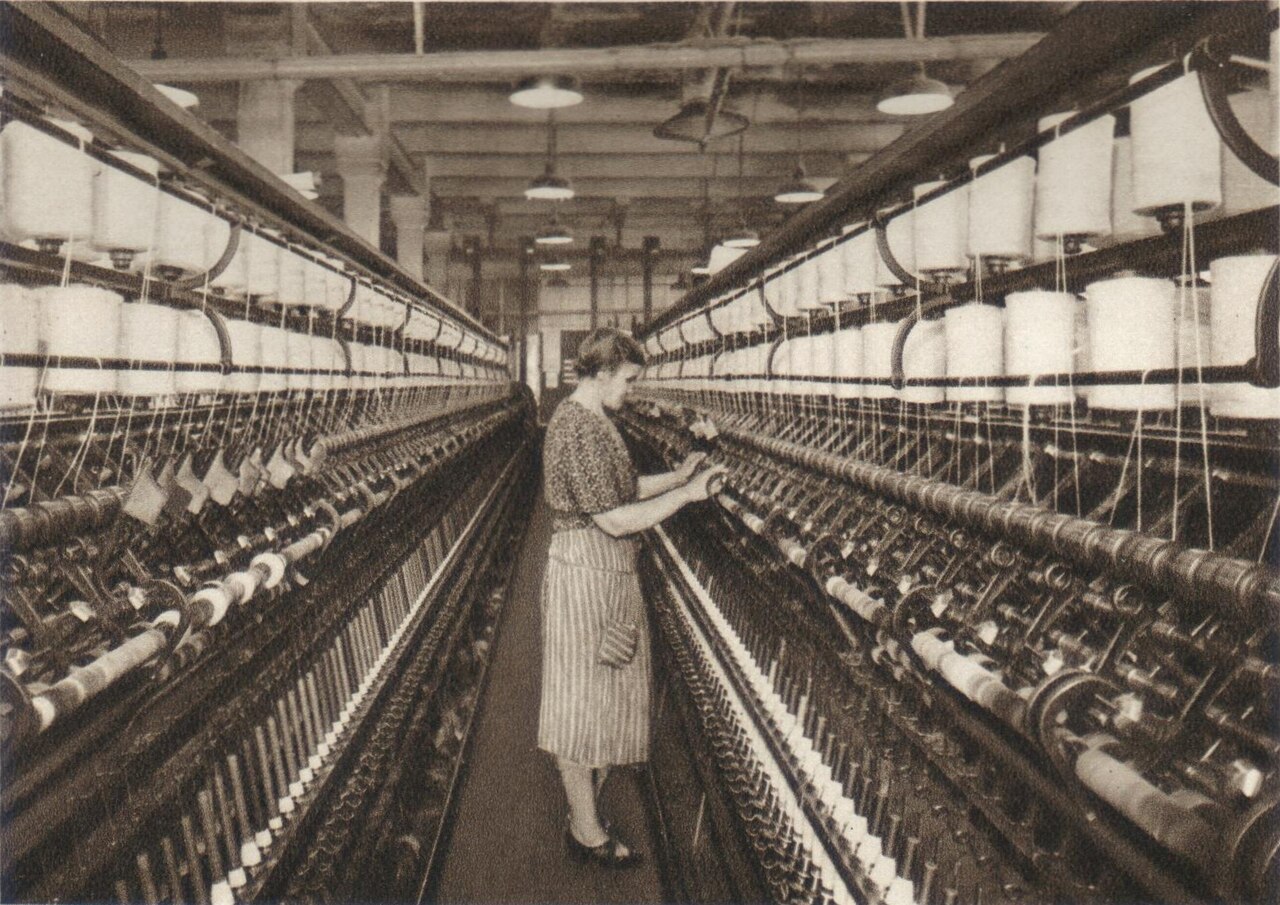
A ring spinning frame twists fibres into yarn and winds it onto a rotating bobbin. A traveller running around a metal ring provides the relations...
Explore artifact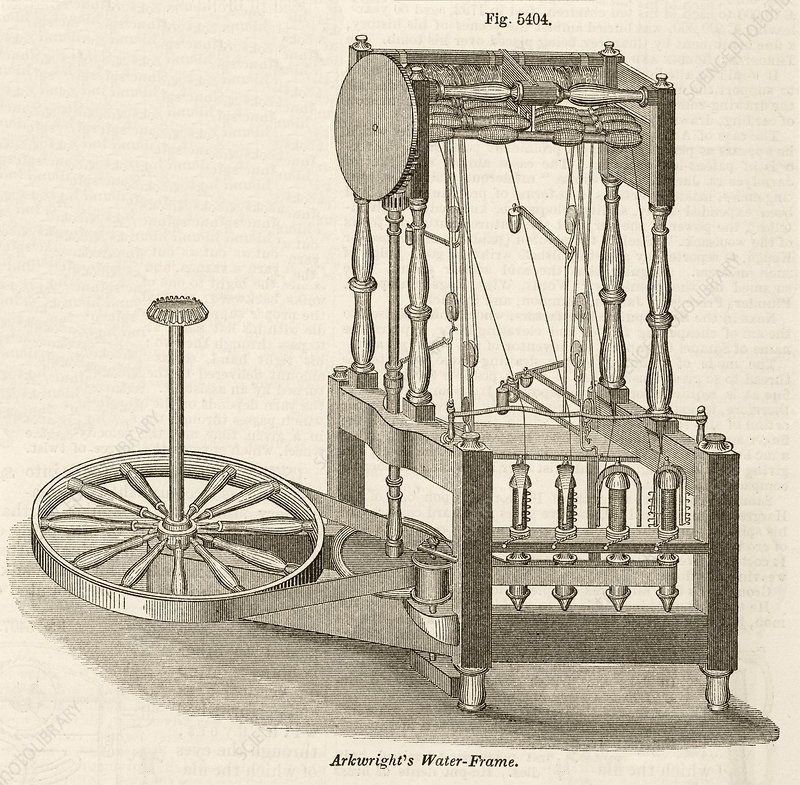
A spinning frame coordinates fibre drafting, twisting and winding across multiple spindles. The term covers a family of machines that helped tran...
Explore artifact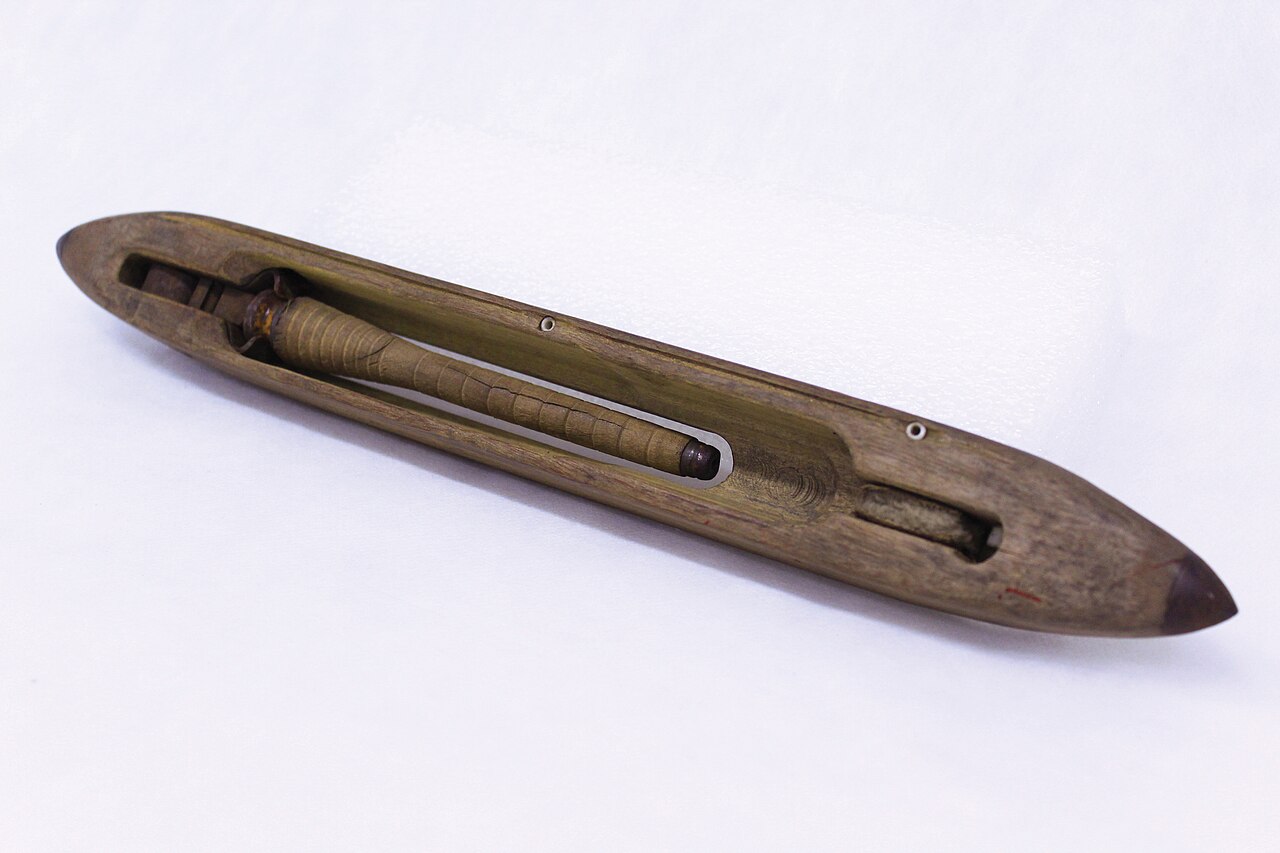
John Kay's flying shuttle allowed a weaver to send the weft rapidly across the loom using a picking mechanism. It increased weaving speed and mad...
Explore artifact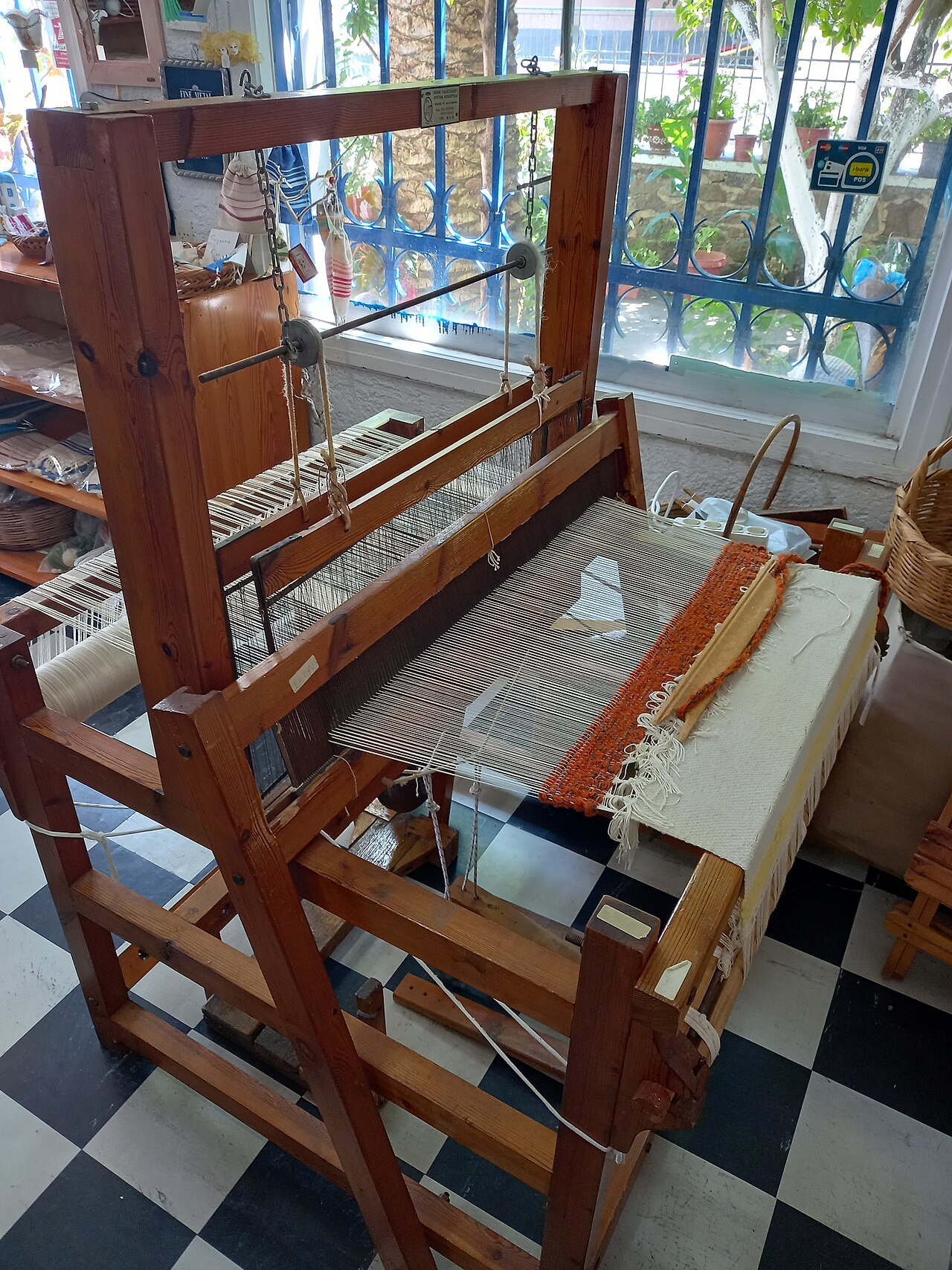
A loom holds warp threads under tension while weft passes between them. Its shedding, picking and beating mechanisms organize intersecting thread...
Explore artifact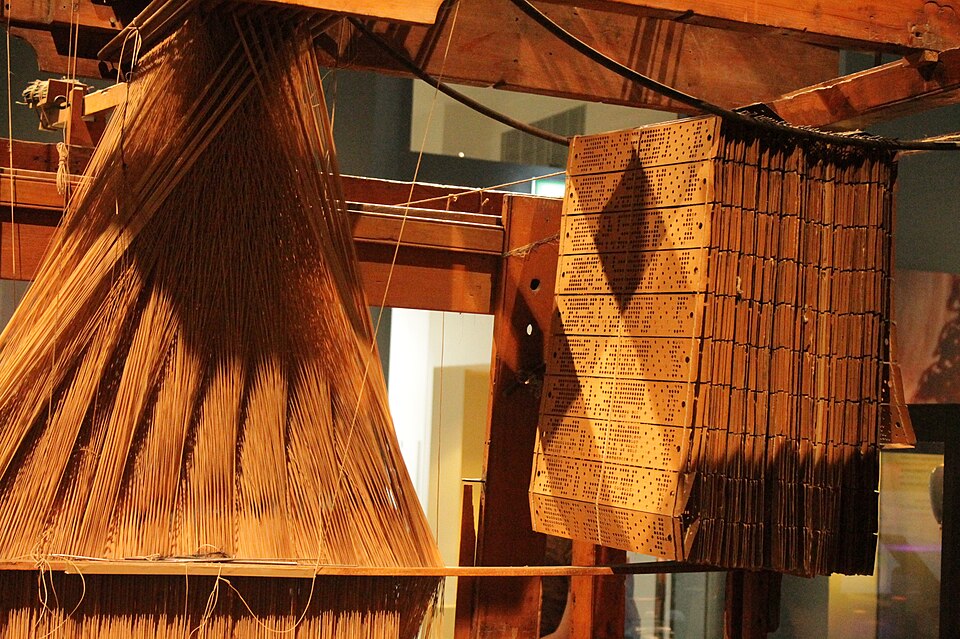
A Jacquard mechanism selects individual warp threads through a sequence of punched cards. Mounted above a loom, it allows intricate woven pattern...
Explore artifact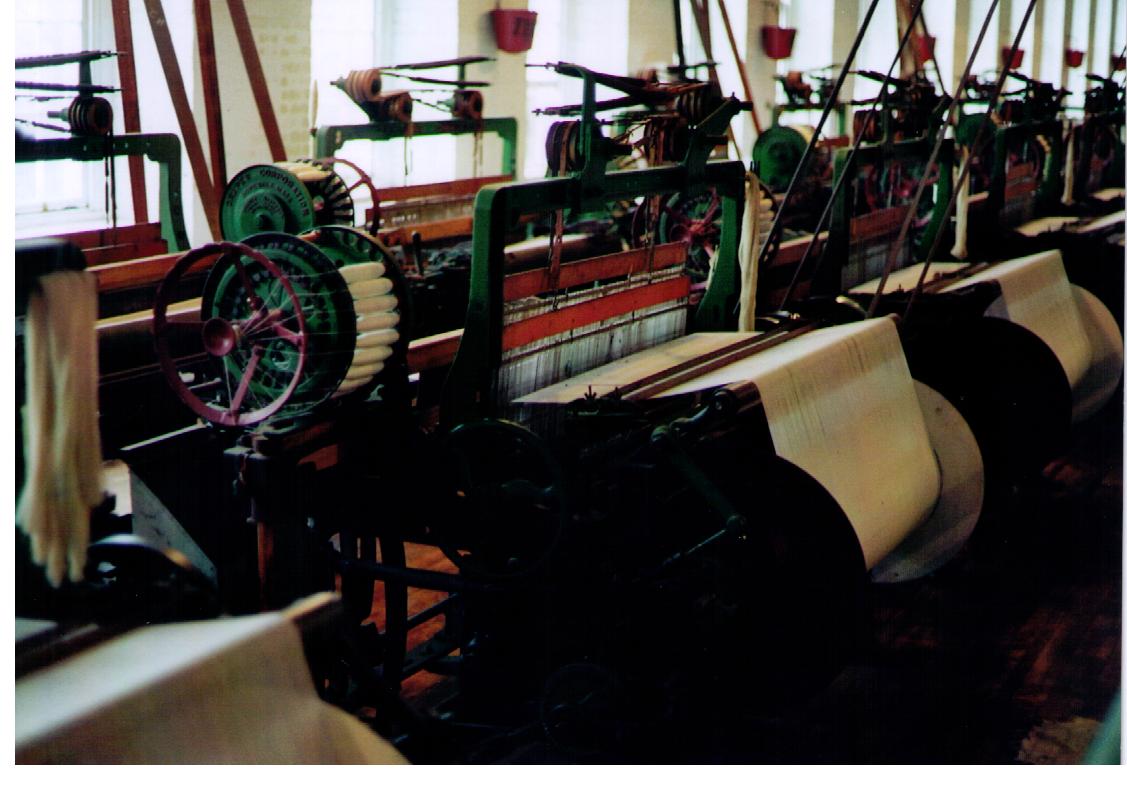
A power loom drives weaving motions from an external power source. Linking shedding, shuttle movement and the beating-up of cloth helped bring we...
Explore artifact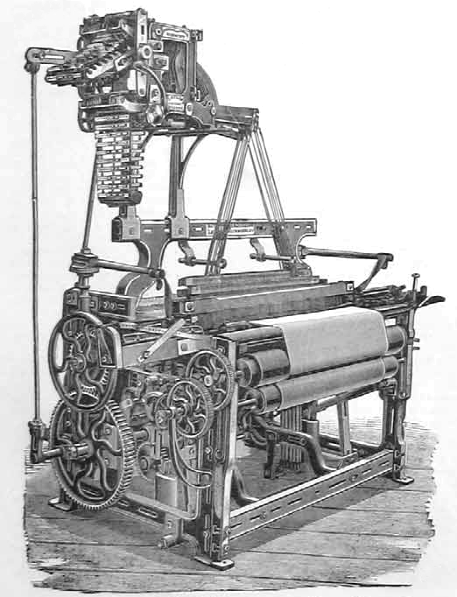
A dobby loom selects combinations of harnesses to create repeating weave patterns. Its control mechanism offers more pattern flexibility than a s...
Explore artifact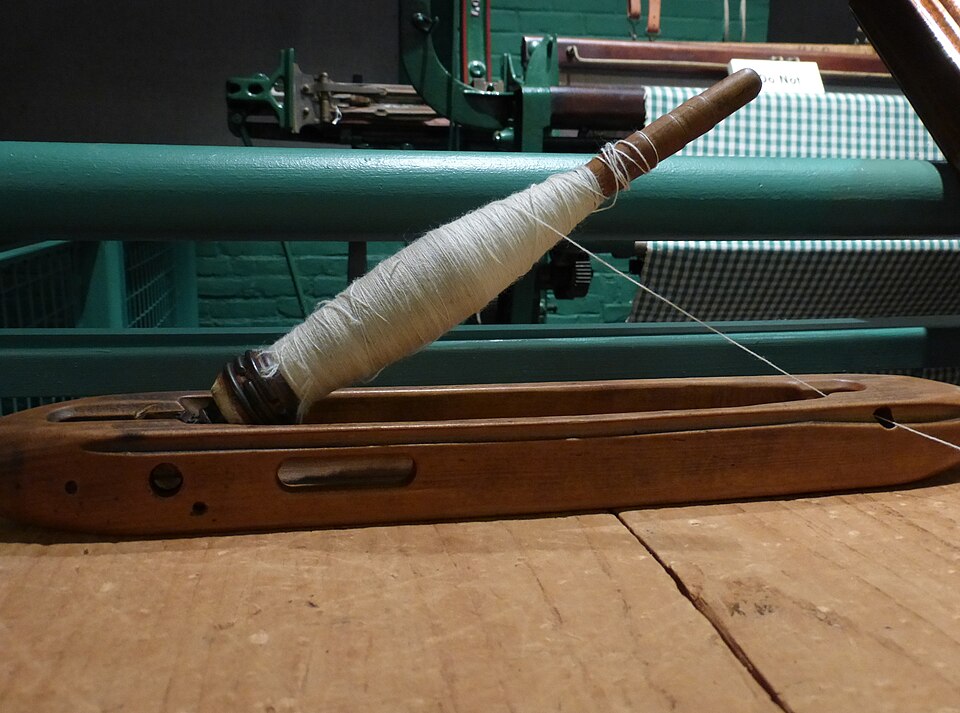
A shuttle carries the weft thread through the opening between warp threads. Boat shuttles hold a bobbin inside a shaped body that can pass smooth...
Explore artifact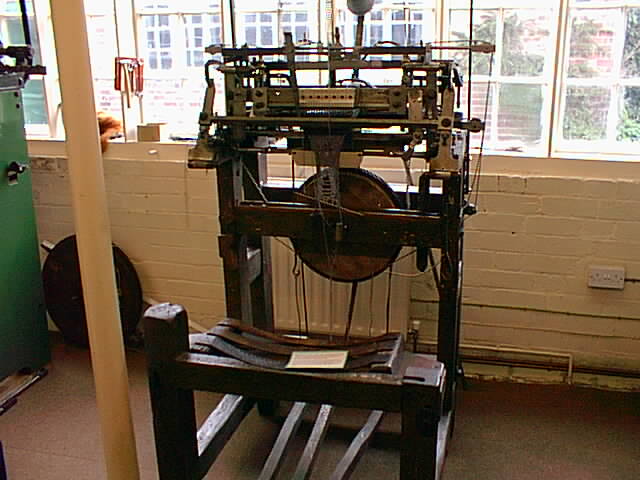
William Lee's stocking frame mechanized the formation of knitted loops using a row of needles. It began a long development of framework knitting...
Explore artifact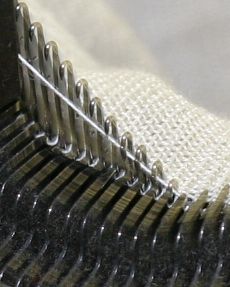
A knitting machine forms fabric by drawing new loops through existing loops with coordinated needles. Flat-bed and circular designs organize thos...
Explore artifact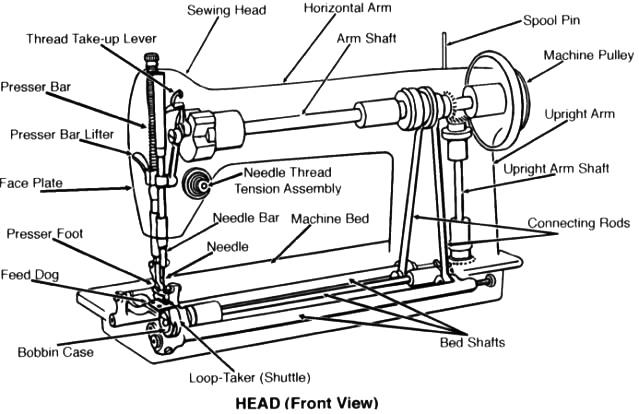
A sewing machine coordinates a needle, thread-handling mechanism and fabric feed to make repeated stitches. Lockstitch and chainstitch systems tr...
Explore artifact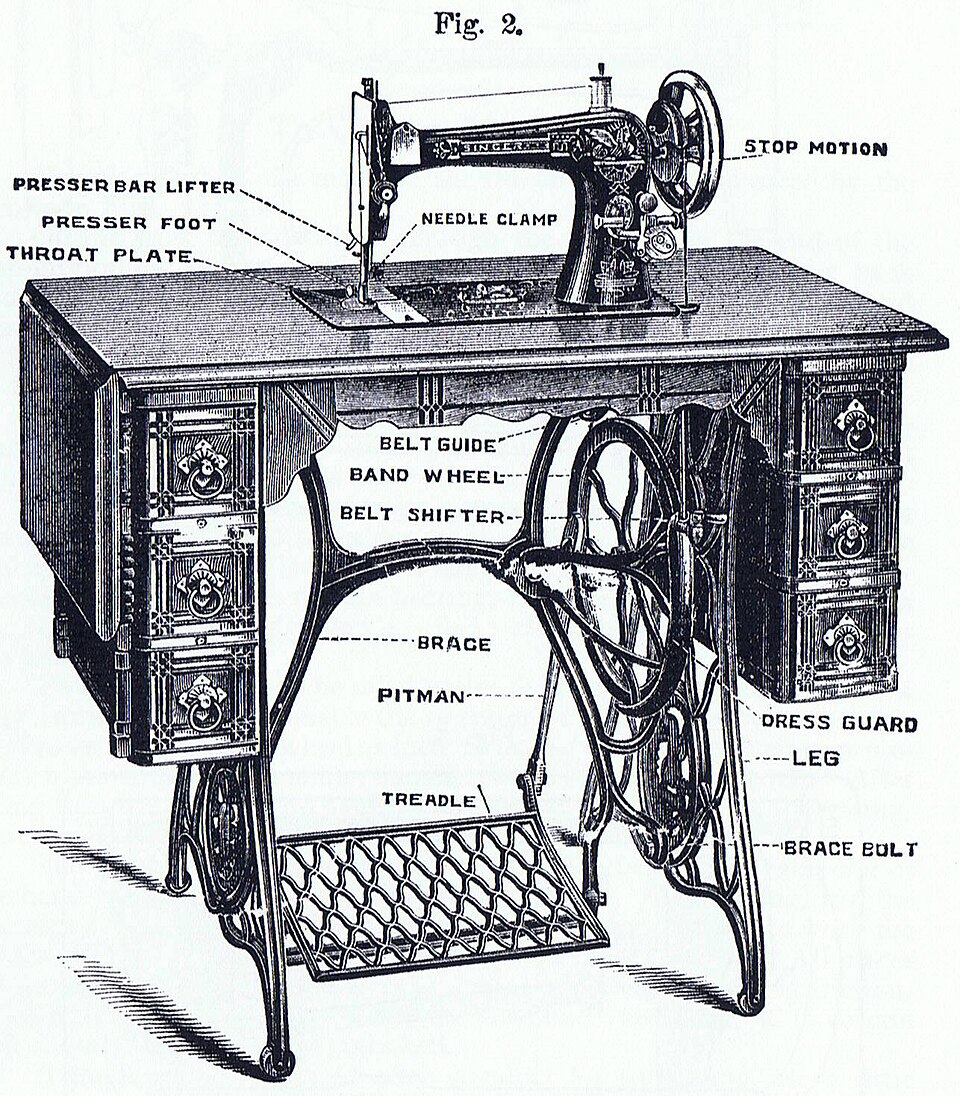
Singer's Models 27 and 127 used a vibrating shuttle to form lockstitches. Often mounted in treadle tables, these domestic machines connected foot...
Explore artifact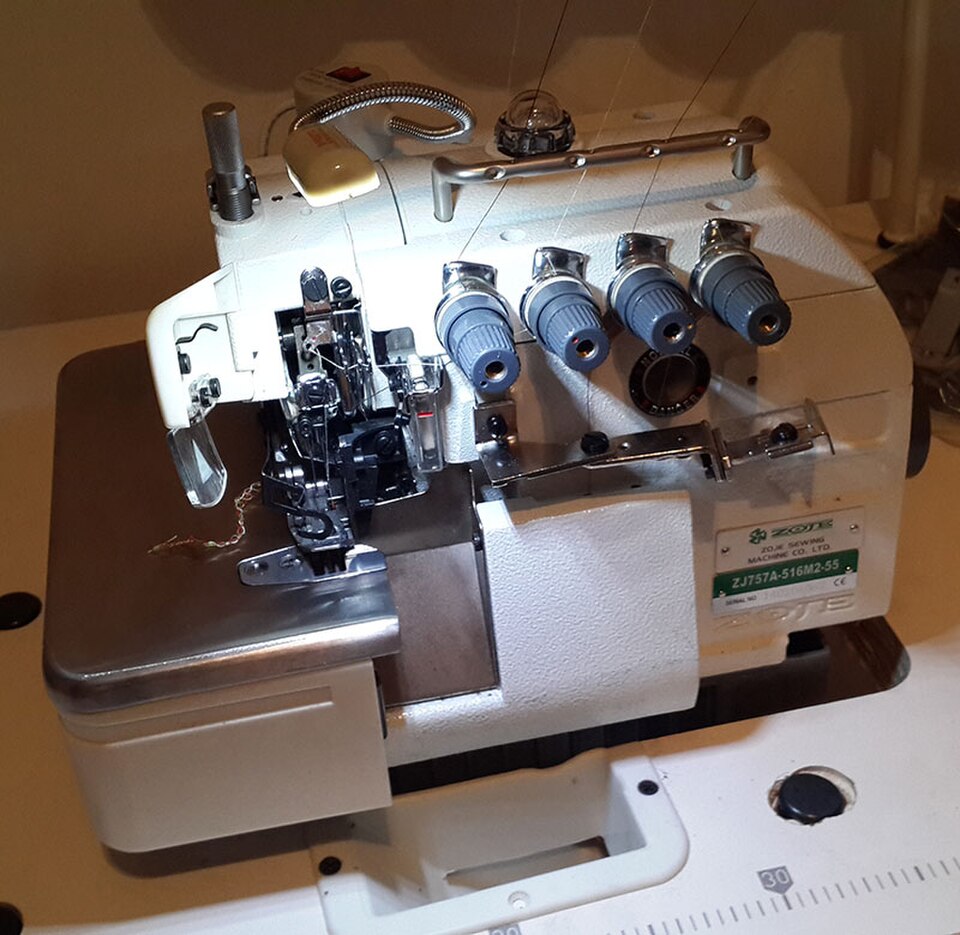
An overlock machine carries thread around the edge of fabric to join or finish it. Loopers, multiple threads and often a trimming blade produce a...
Explore artifact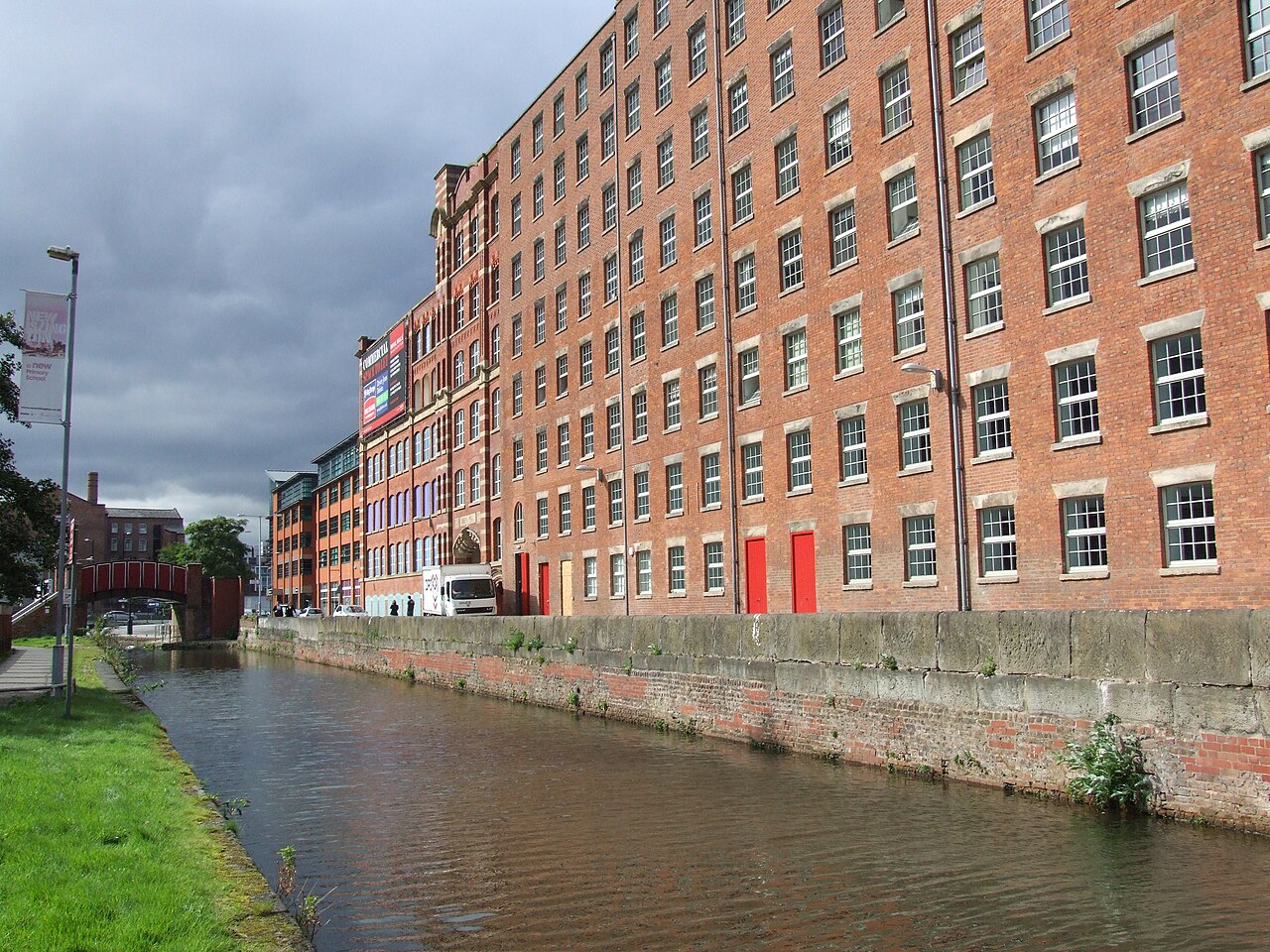
A cotton mill houses machinery for preparing and spinning cotton, and sometimes for weaving it. Its floors, shafts and power systems show how man...
Explore artifact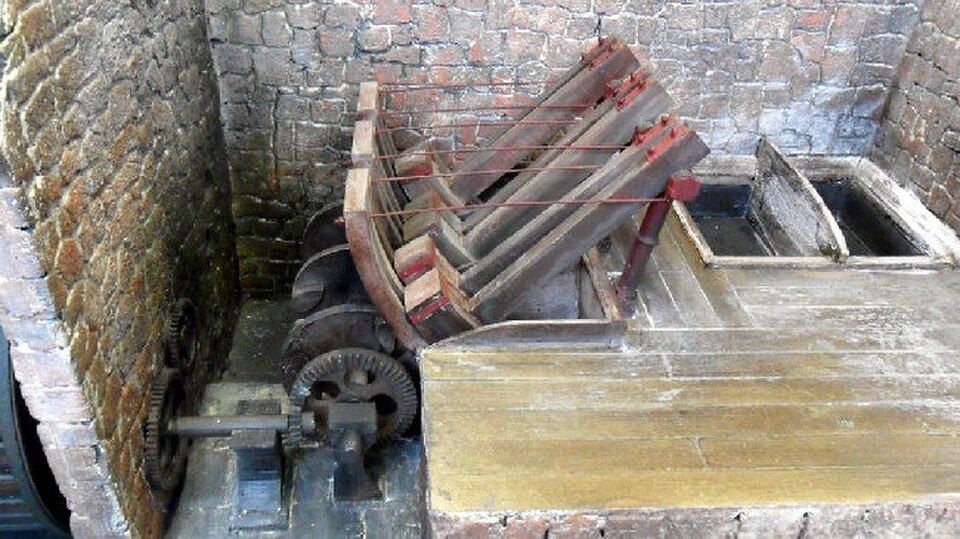
A fulling mill repeatedly beats woollen cloth in water to clean and consolidate it. Water-driven hammers mechanized the working of fabric that ha...
Explore artifact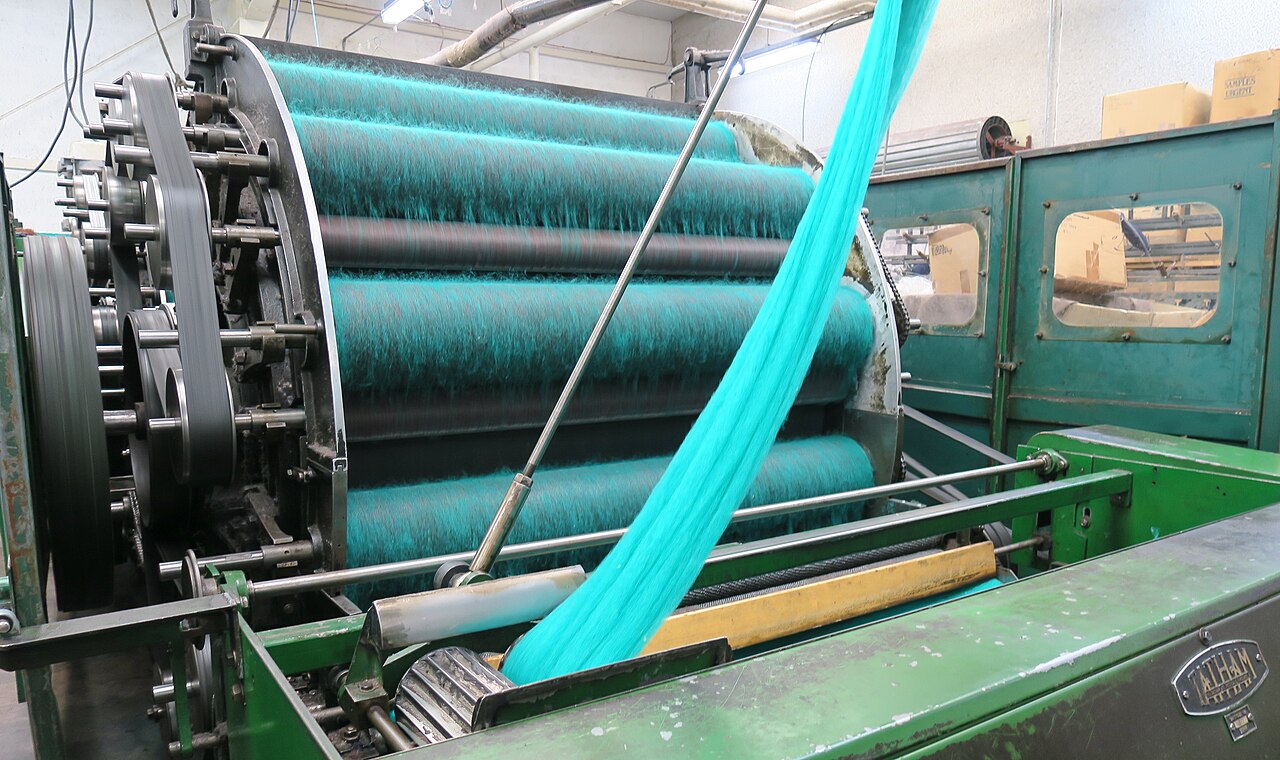
A carding machine separates and organizes fibres with surfaces covered in closely spaced teeth. It produces a web or sliver that can pass on to l...
Explore artifact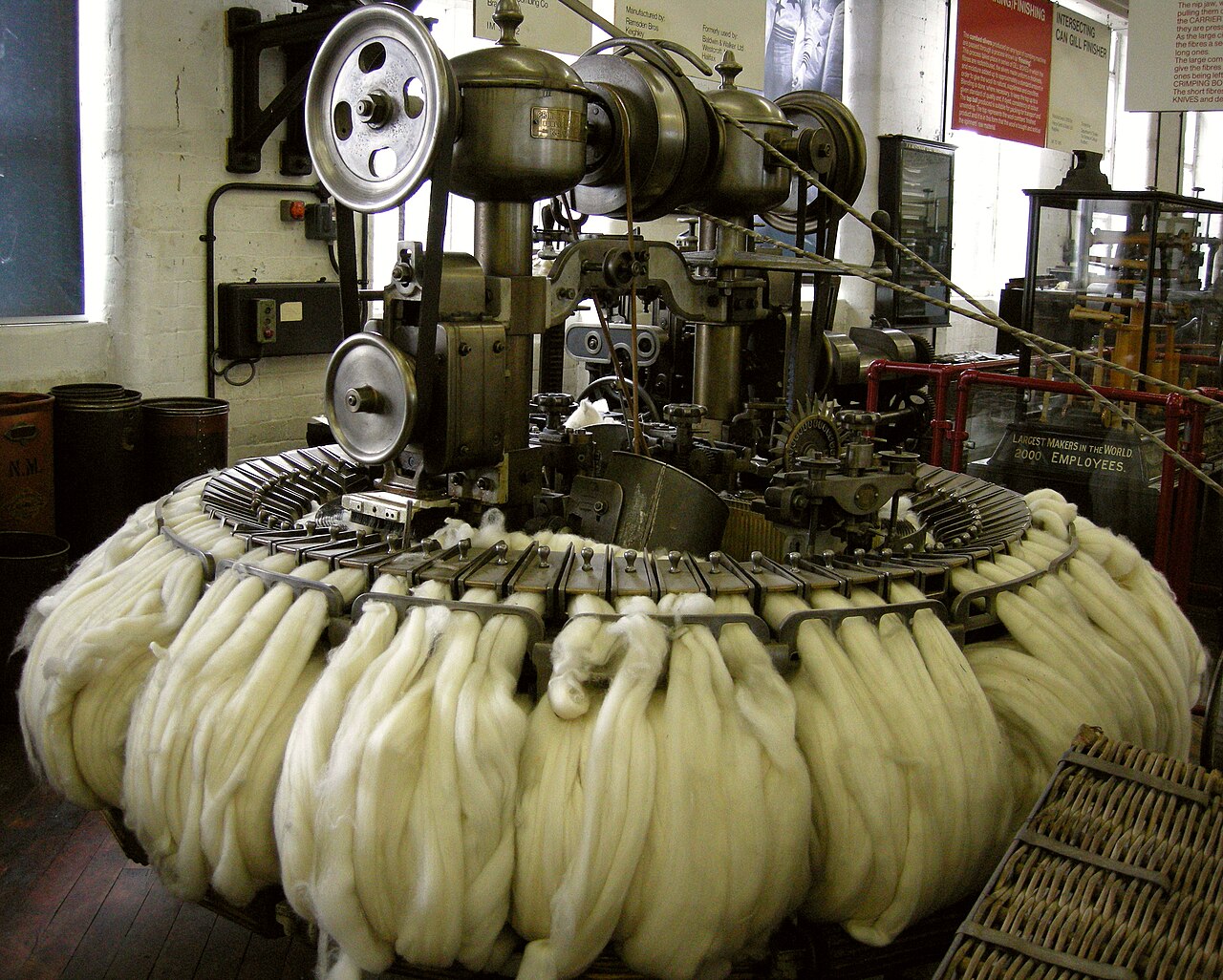
A combing machine removes short fibres and aligns the longer fibres more closely. It prepares a smoother, more uniform material for fine yarns an...
Explore artifact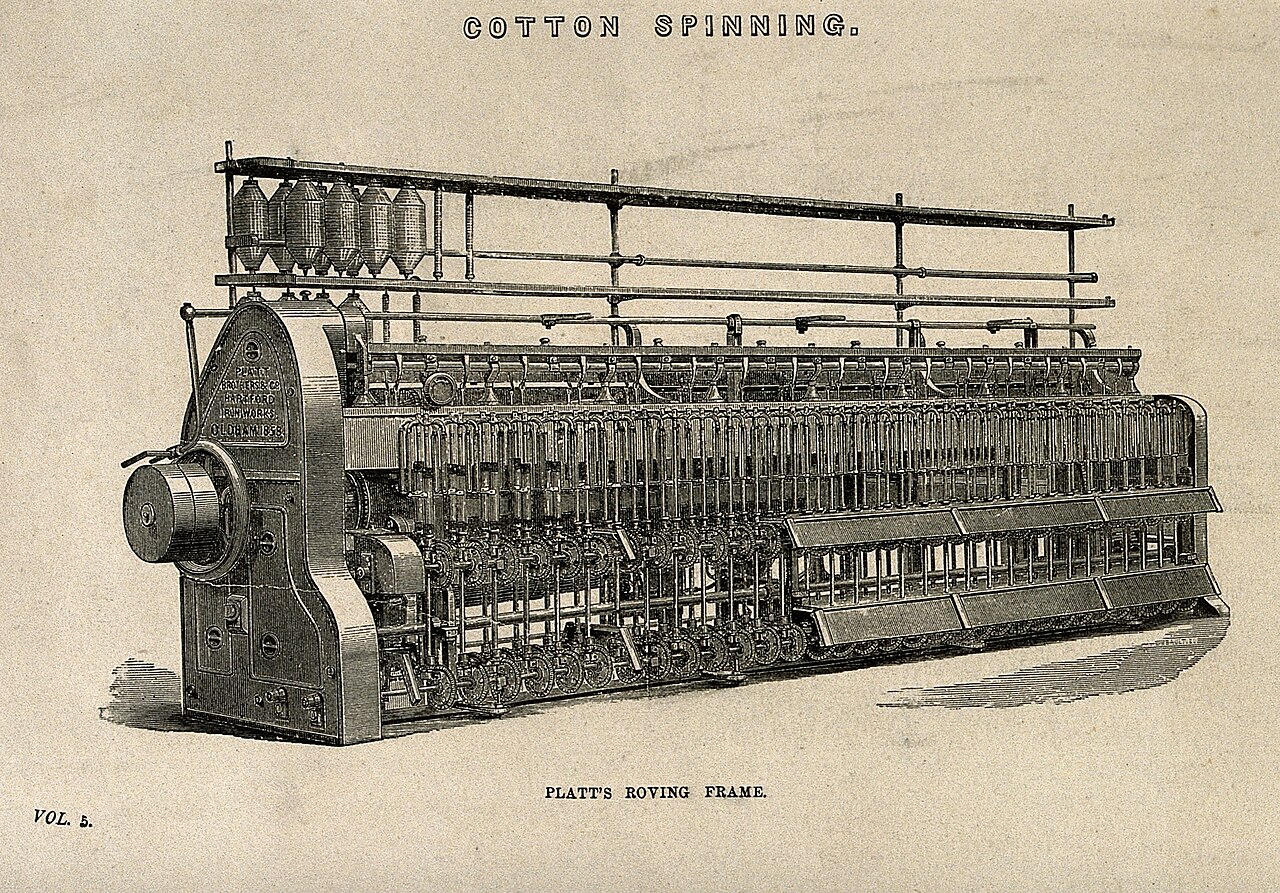
Cotton-spinning machinery carries fibres through preparation, drawing, twisting and winding. Linked machines turned raw cotton into yarn through...
Explore artifact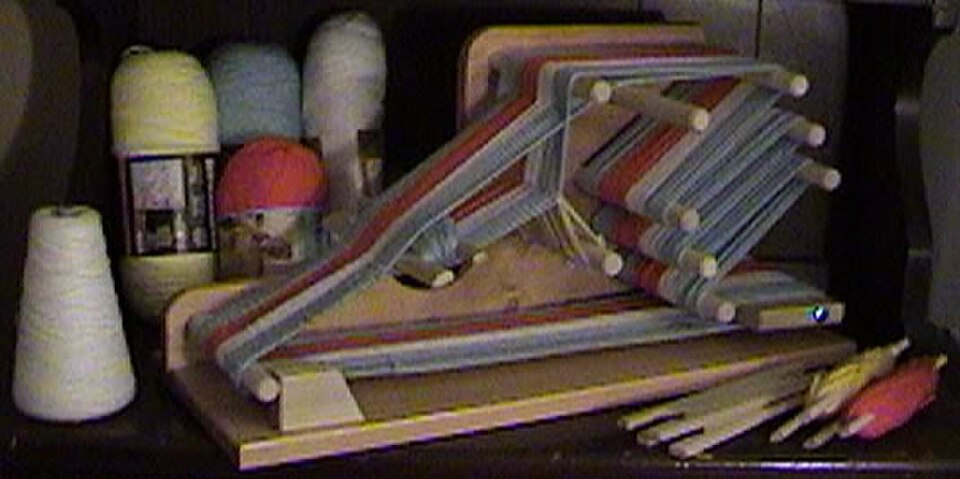
An inkle loom holds a narrow, continuous warp for weaving bands and straps. Simple heddles separate alternating threads while the weaver inserts...
Explore artifact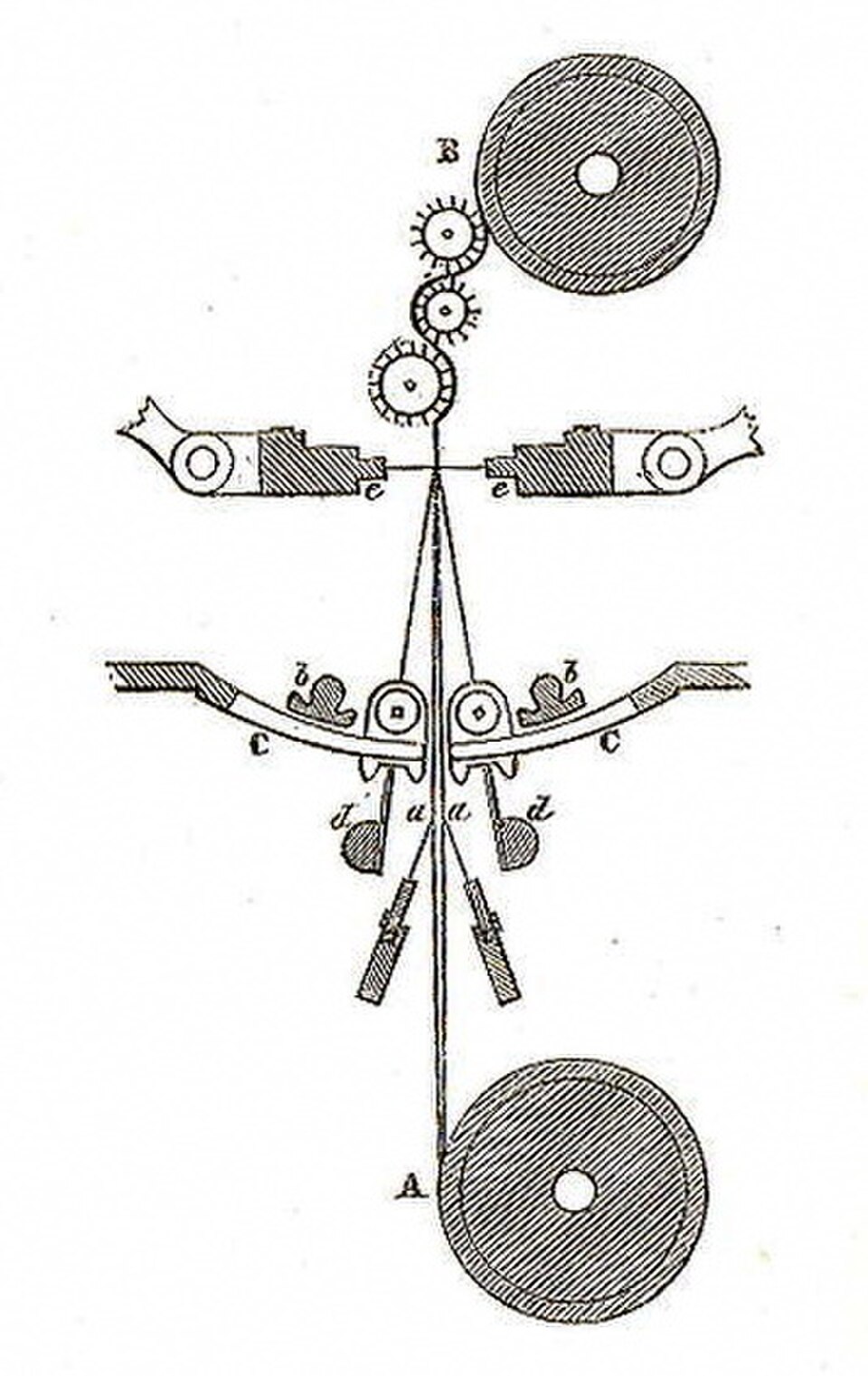
John Heathcoat's bobbinet machine mechanized the production of net fabric. Moving bobbins and warp threads form a stable mesh that became importa...
Explore artifact