

Steam Locomotive
A steam locomotive is a type of railway locomotive that produces its pulling power through a steam engine. These locomotives are fueled by burnin...
Explore artifactDiscover artifacts, instruments and engineered systems through the same twelve fields as our History directory.
Land Transport · 26 entries
A steam locomotive is a type of railway locomotive that produces its pulling power through a steam engine. These locomotives are fueled by burnin...
Explore artifact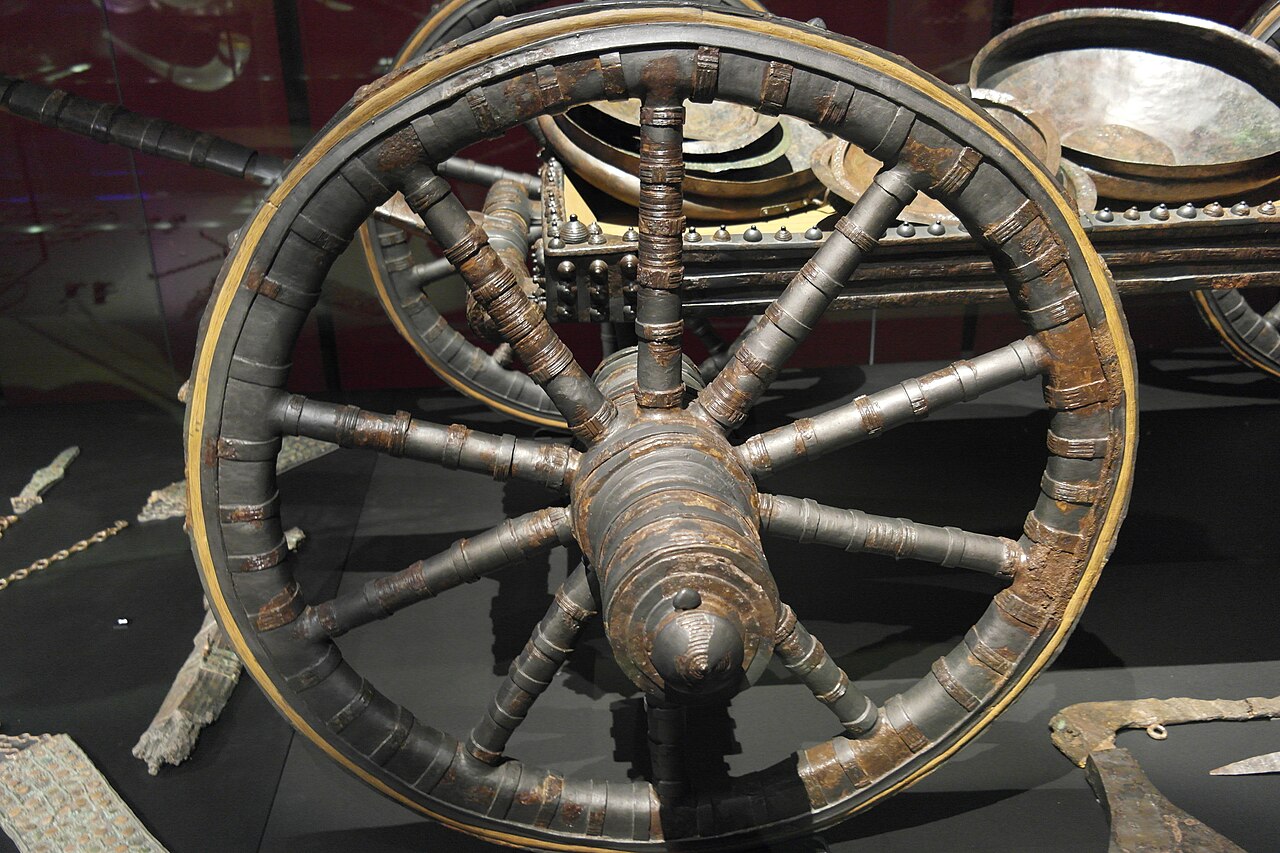
A wheel turns around an axle to reduce the effort of moving a load or transmit motion within machinery. Solid and spoked forms show how a simple...
Explore artifact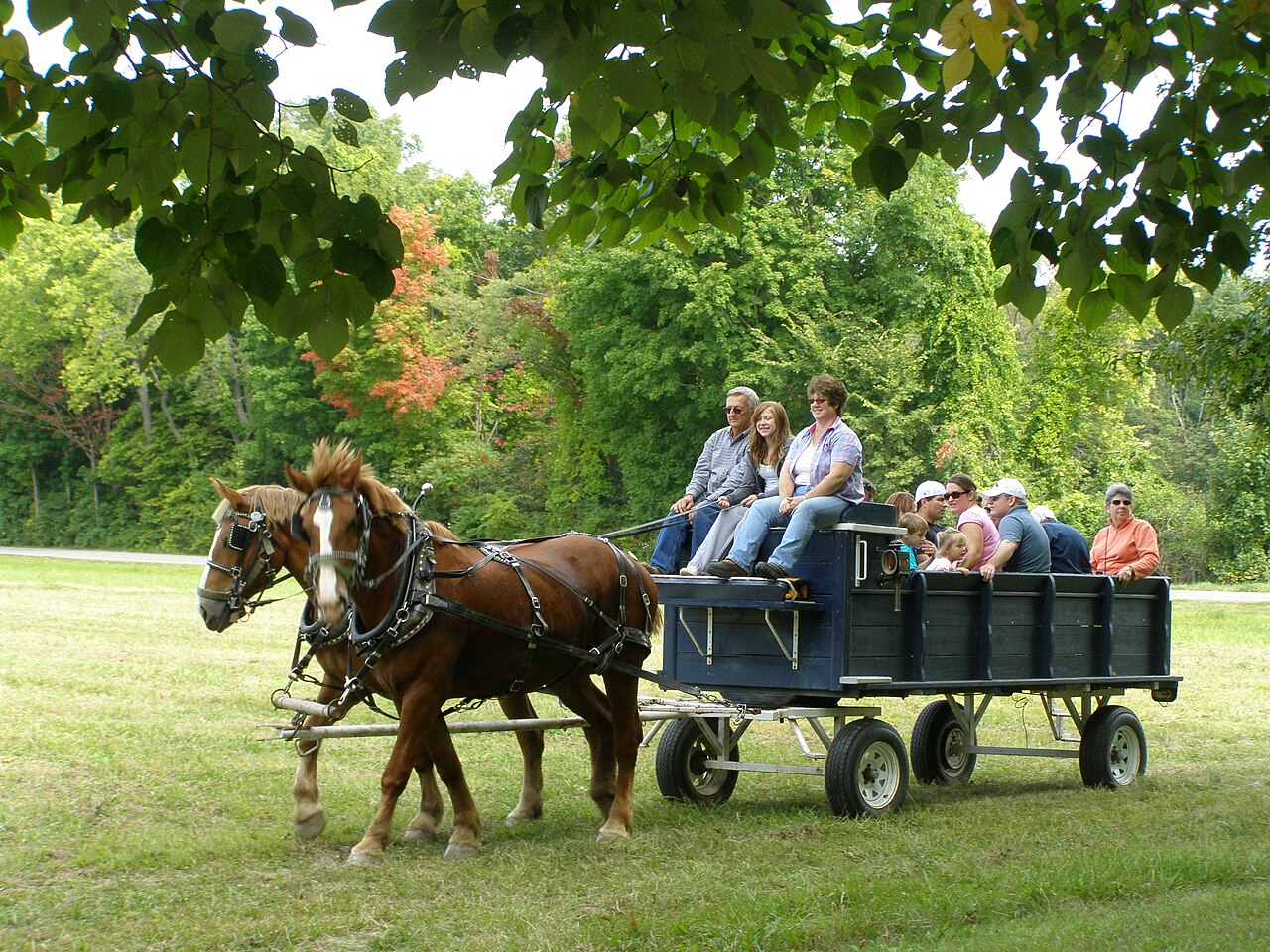
A wagon carries goods on a wheeled chassis, traditionally pulled by animals. Its axles, wheel construction and steering arrangements reflect the...
Explore artifact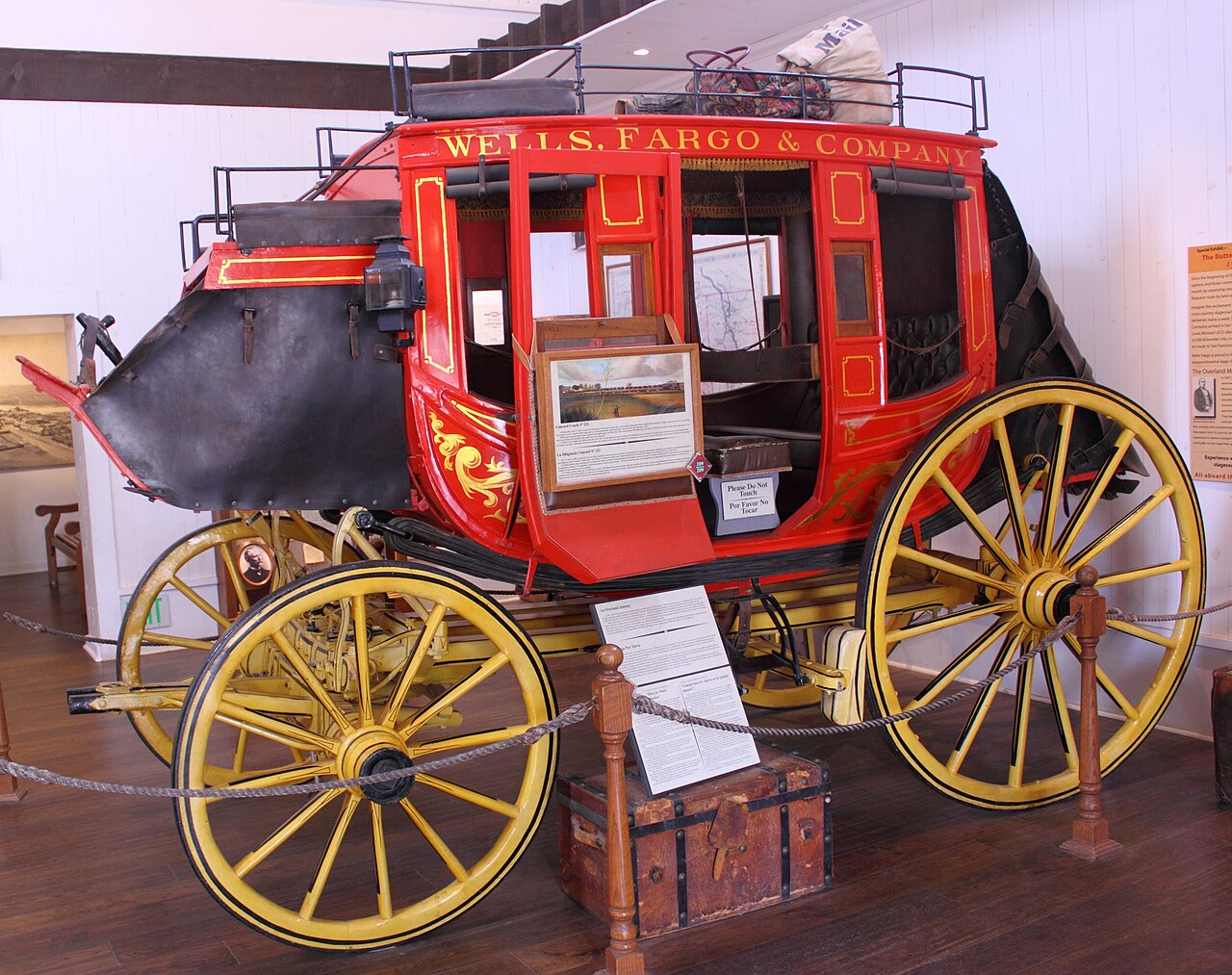
A stagecoach carried passengers between scheduled stopping points where horses could be changed. Suspension, braking and enclosed bodywork develo...
Explore artifact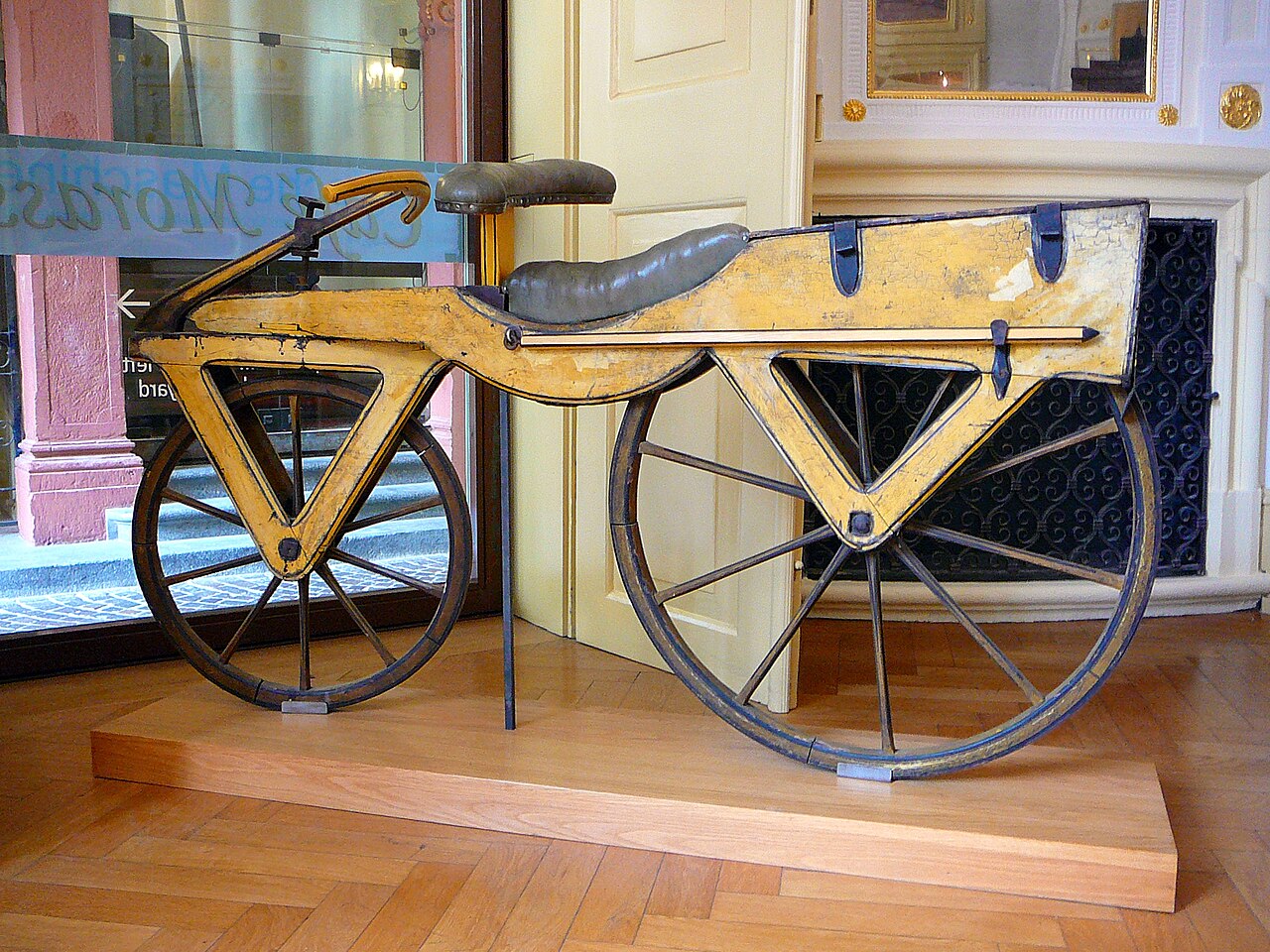
The dandy horse was a two-wheeled, steerable vehicle propelled by the rider's feet on the ground. Karl Drais's design helped establish the arrang...
Explore artifact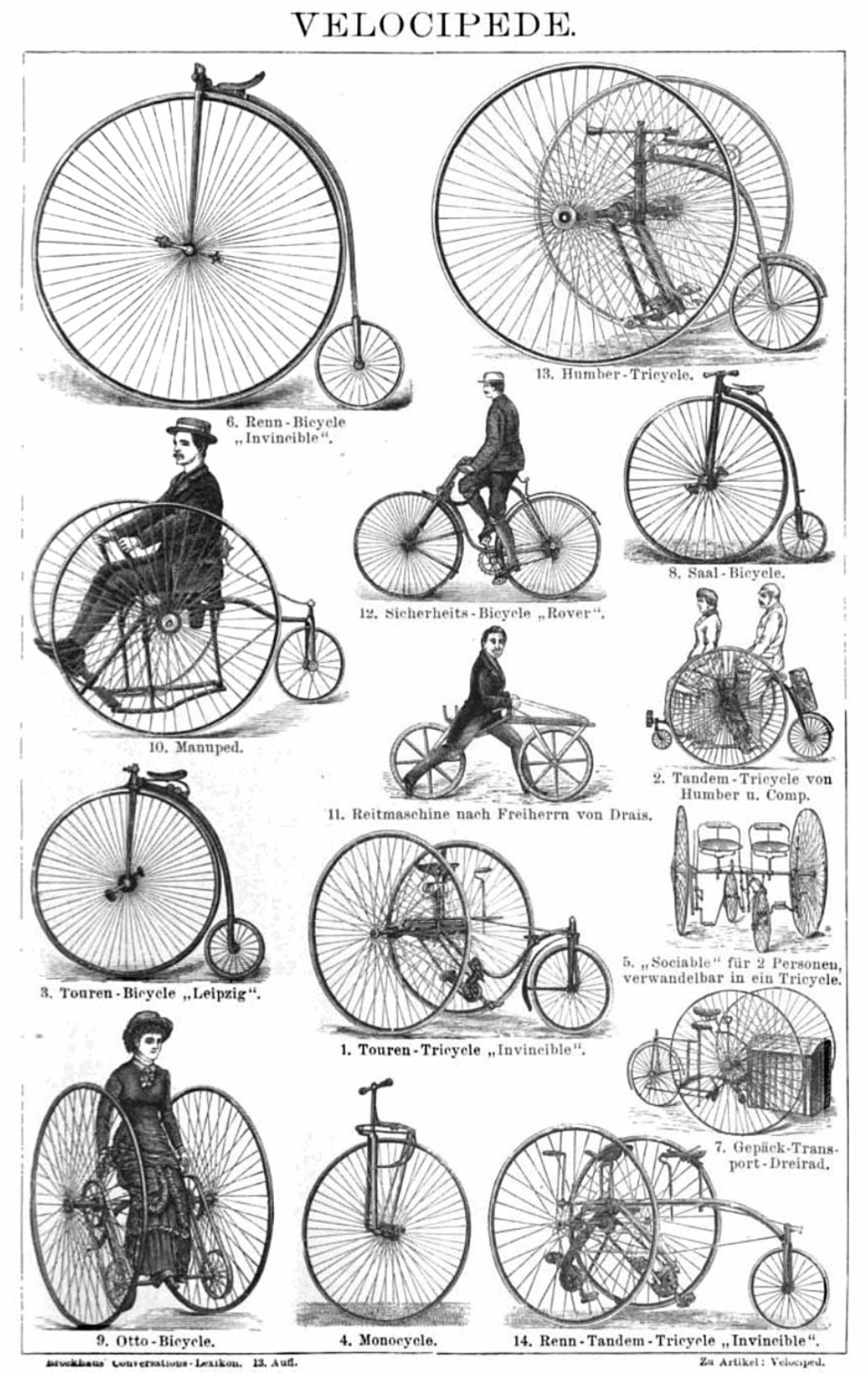
Pedal-driven velocipedes connected the rider's effort directly to a wheel. Stiff frames and early wheel construction earned some examples the nic...
Explore artifact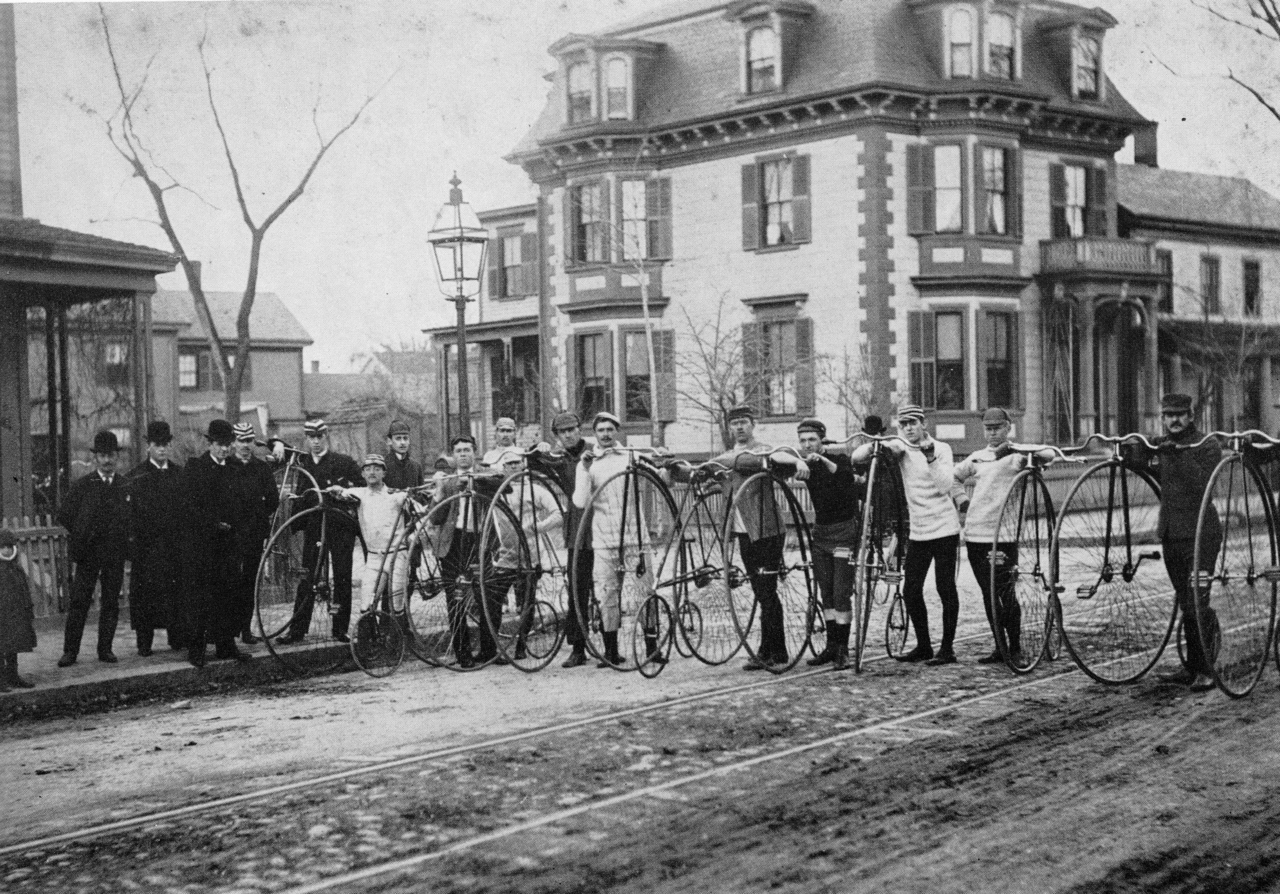
A penny-farthing places its pedals on a very large front wheel with a small trailing rear wheel. The large driving wheel increased distance trave...
Explore artifact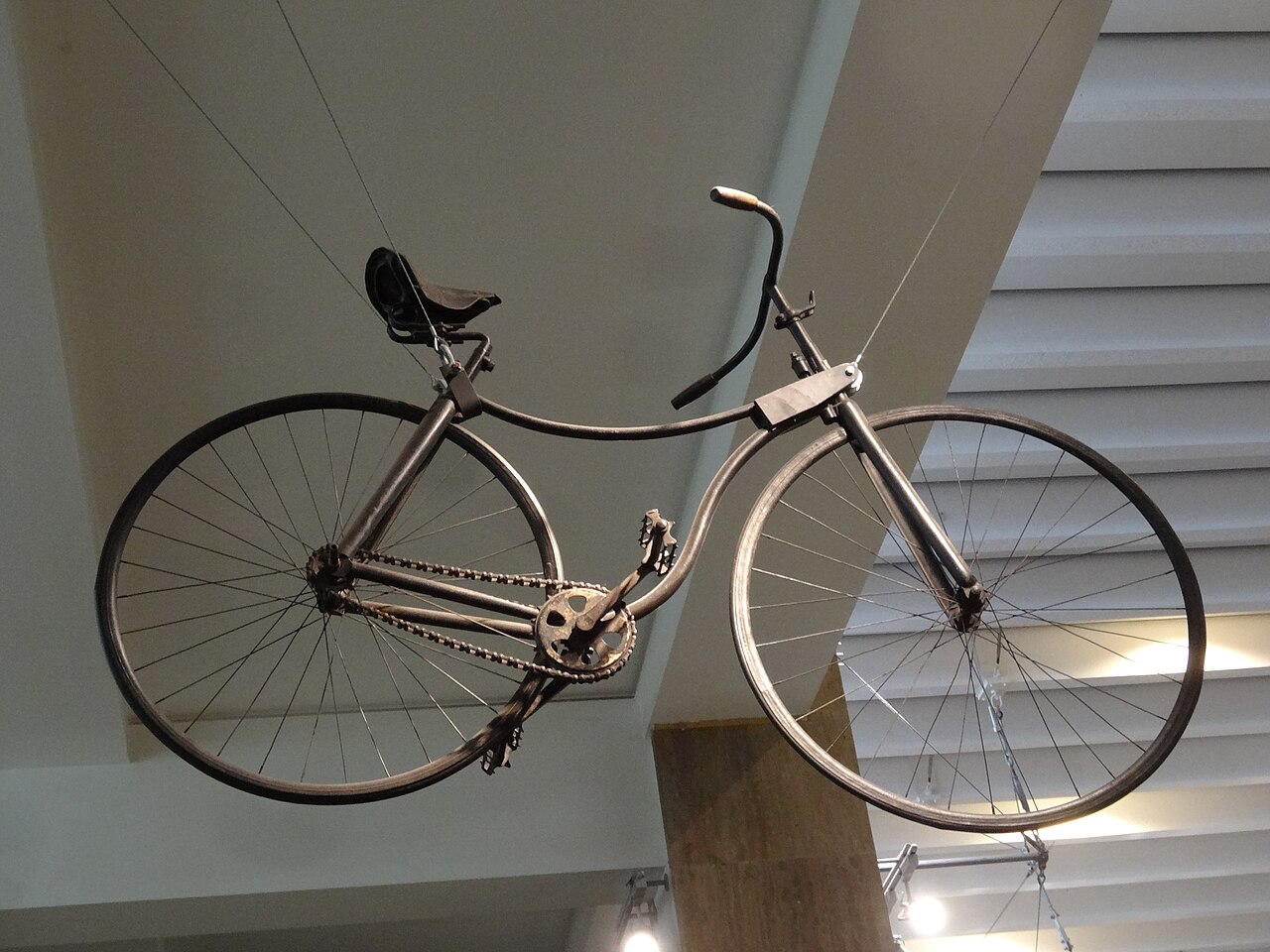
The safety bicycle combined similarly sized wheels with chain drive to the rear wheel. A lower riding position and a practical transmission estab...
Explore artifact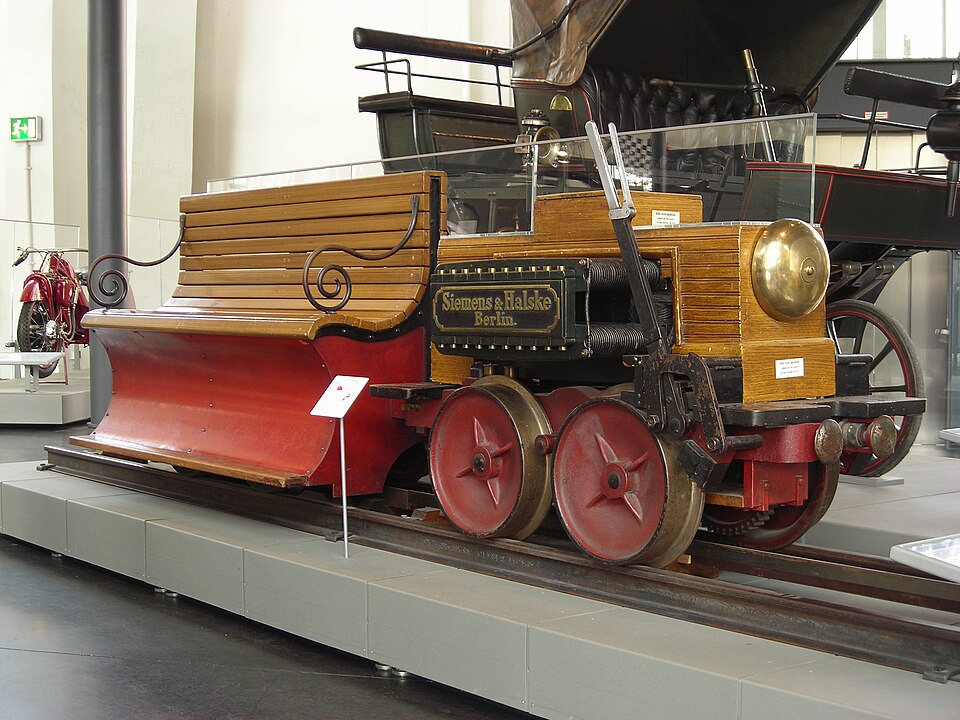
An electric locomotive drives its wheels with electric motors supplied from an external system or onboard storage. Early demonstrations led to ma...
Explore artifact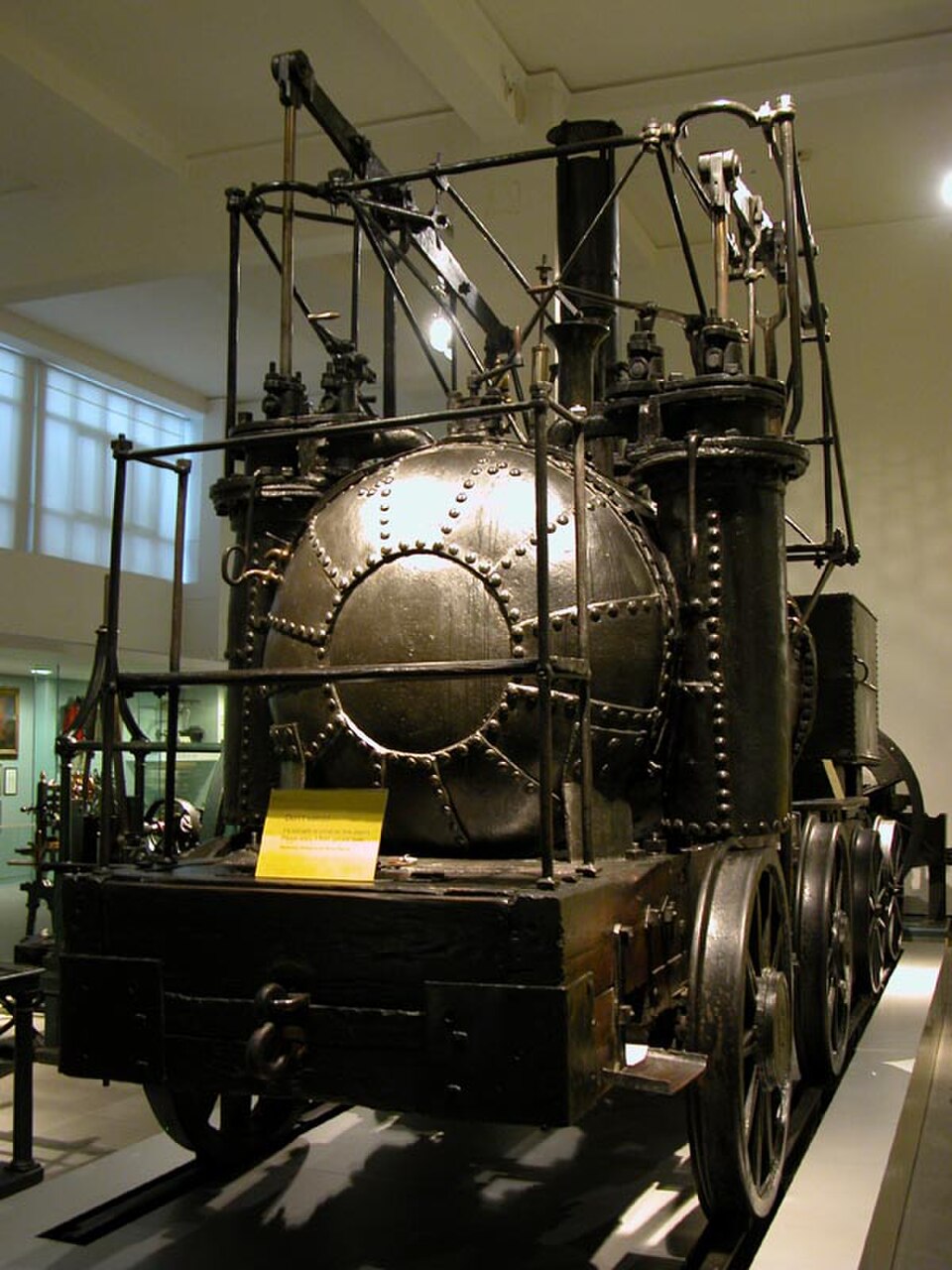
Puffing Billy was built for hauling coal at Wylam Colliery in England. Its steam-powered wheels demonstrated that adhesion between wheels and rai...
Explore artifact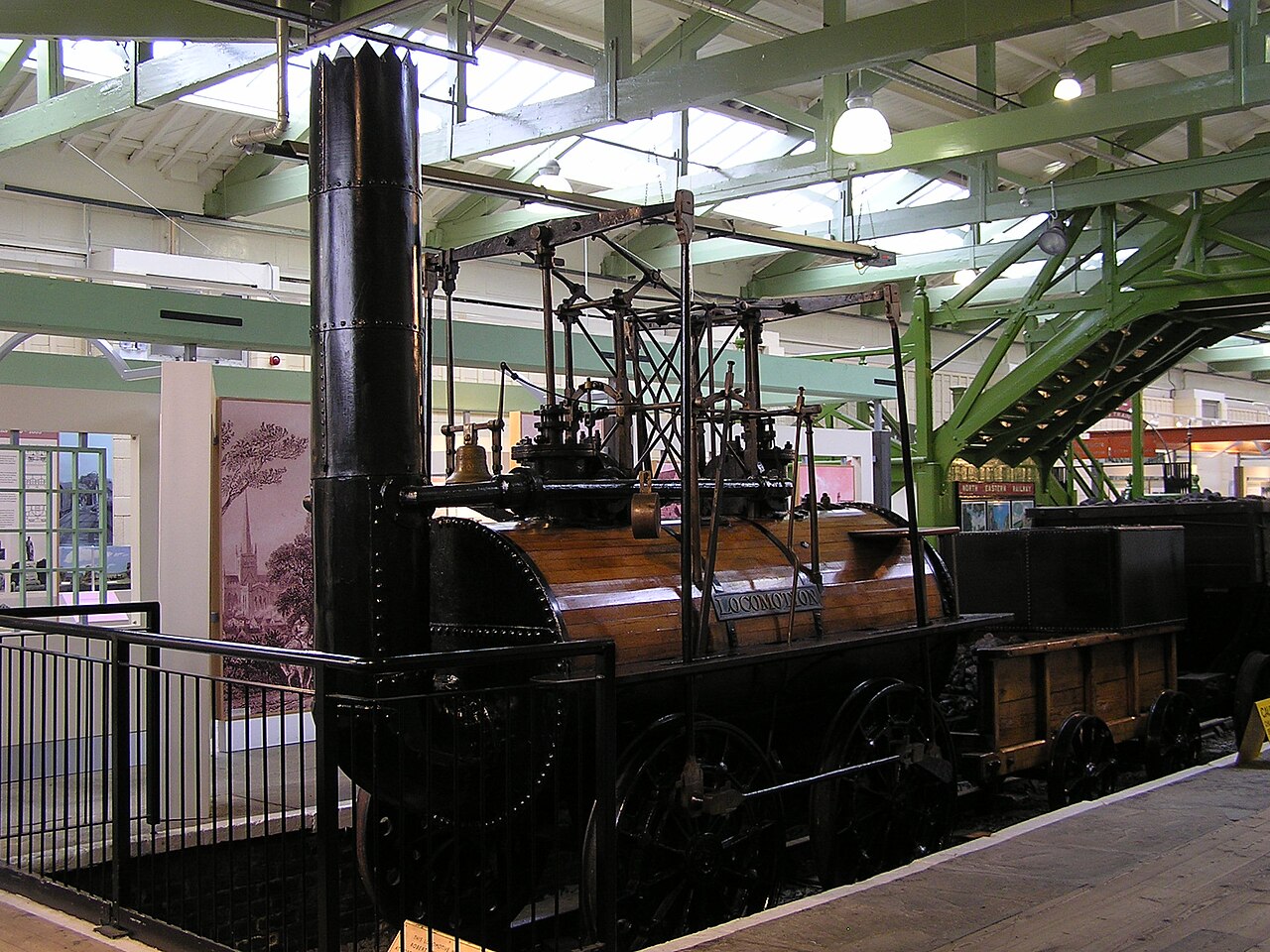
Locomotion No. 1 hauled the opening train of the Stockton and Darlington Railway in 1825. Its vertical cylinders, connecting rods and coupled whe...
Explore artifact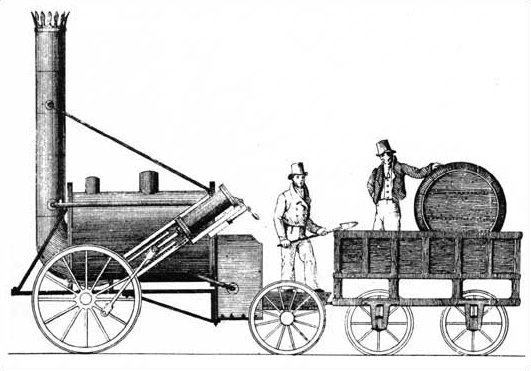
Rocket won the Rainhill Trials with a combination of features suited to effective steam generation and traction. Its multi-tube boiler and exhaus...
Explore artifact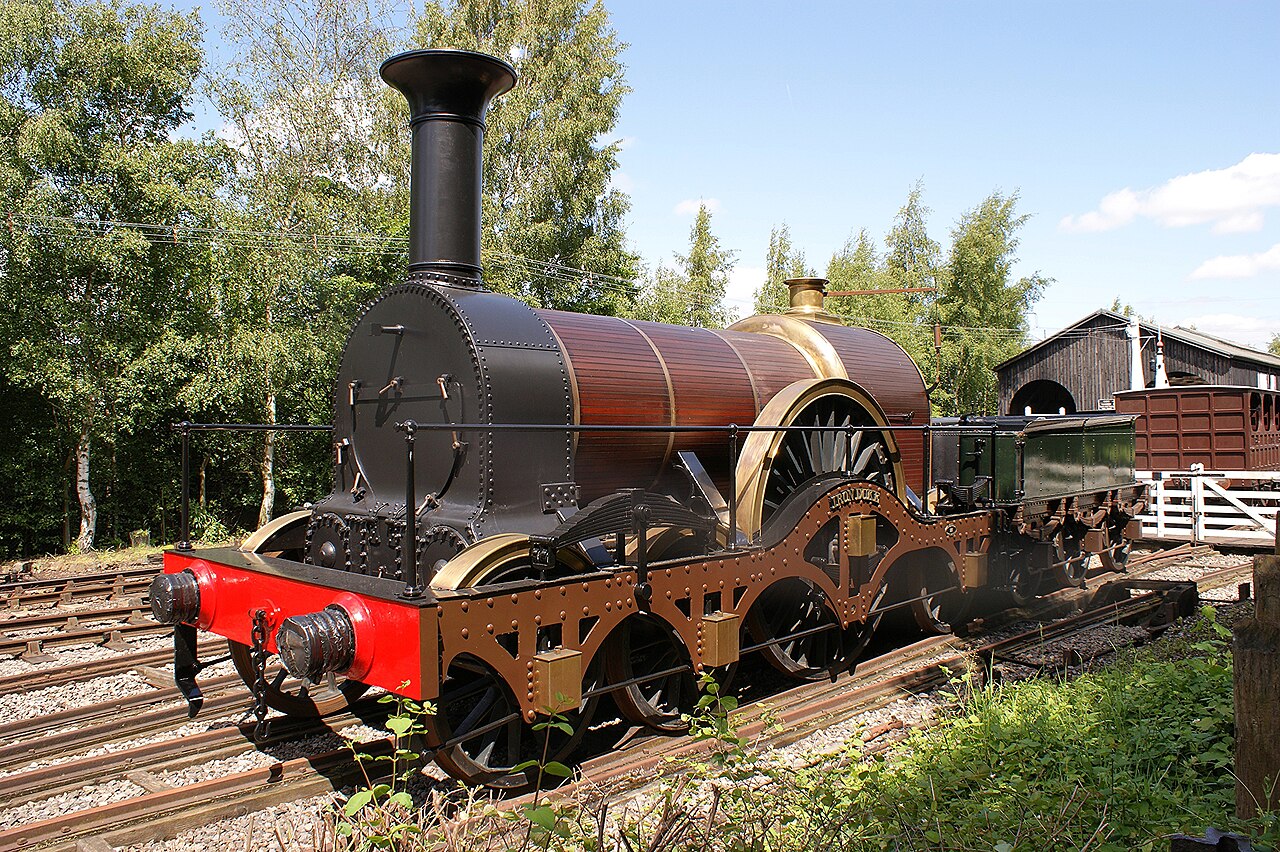
The Iron Duke Class carried express trains on the Great Western Railway's broad-gauge system. Large driving wheels suited high-speed running; the...
Explore artifact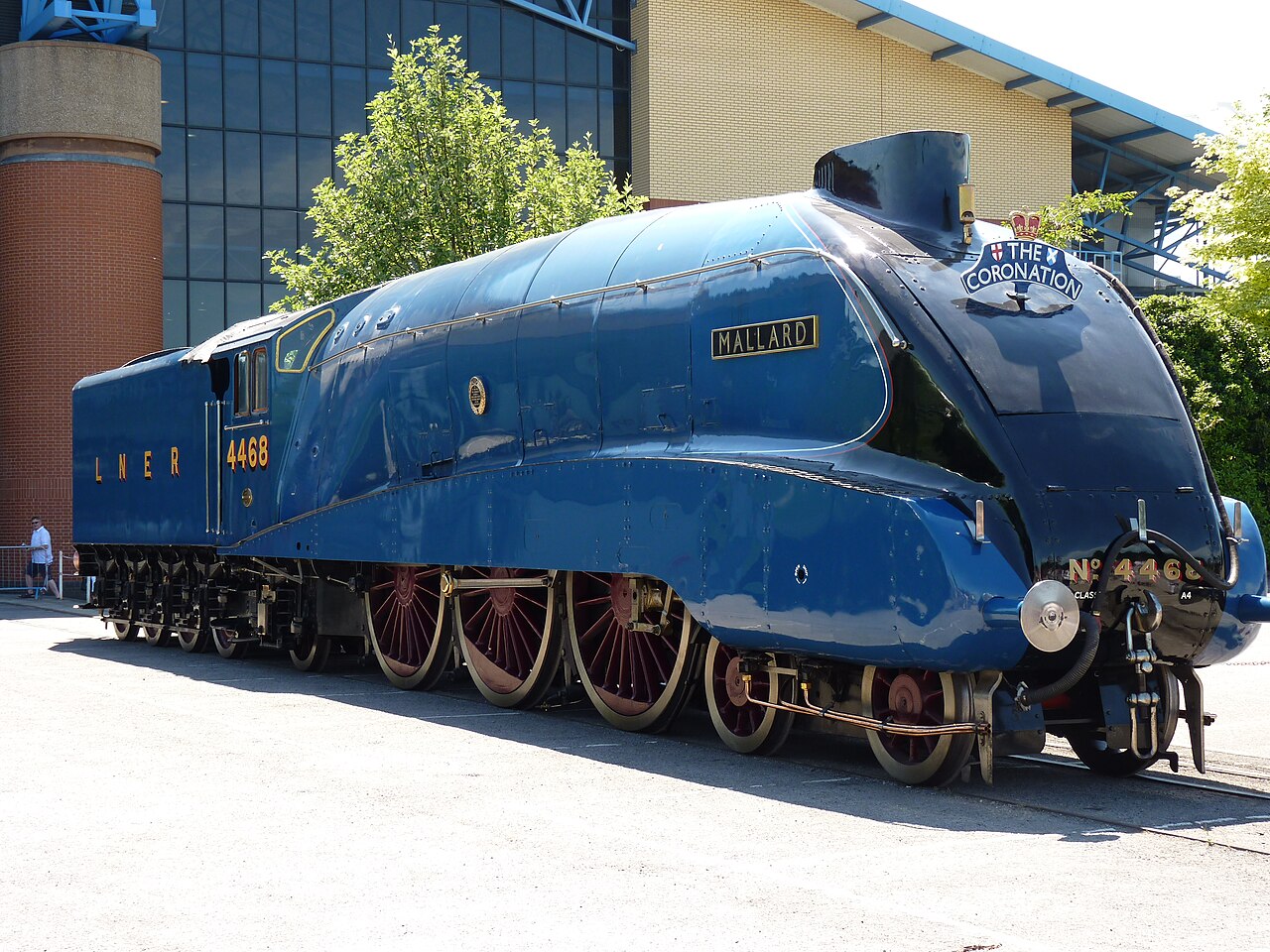
Mallard is an LNER A4 streamlined steam locomotive associated with the 1938 steam speed record. Its aerodynamic casing and high-performance runni...
Explore artifact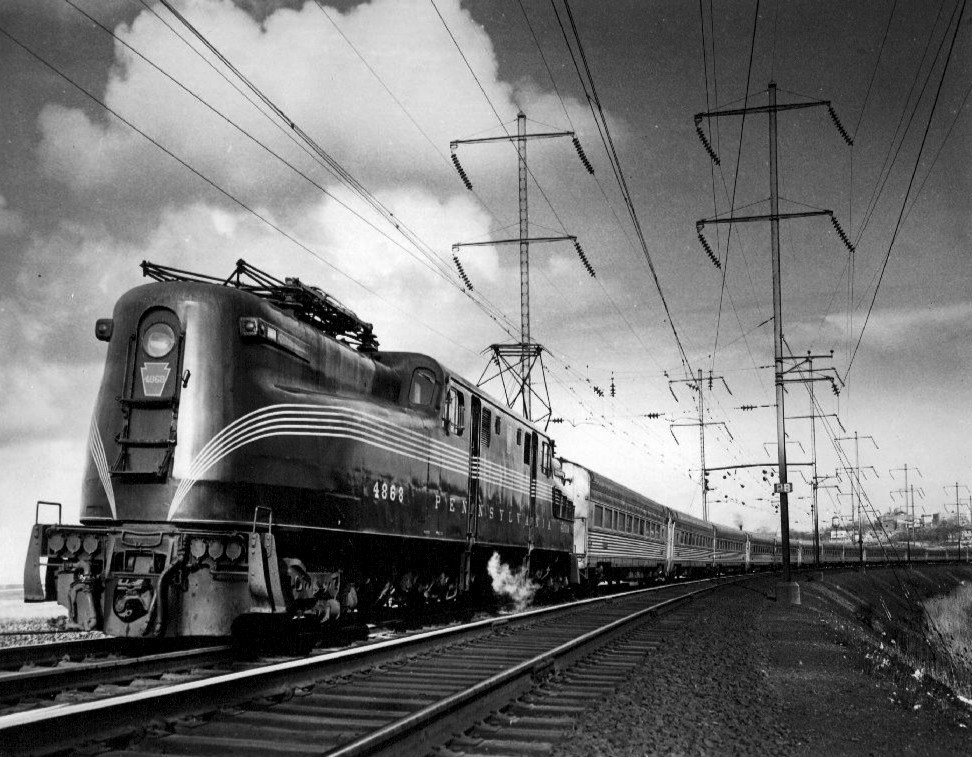
The GG1 was a large electric locomotive used by the Pennsylvania Railroad. Its articulated running gear and distinctive streamlined body served b...
Explore artifact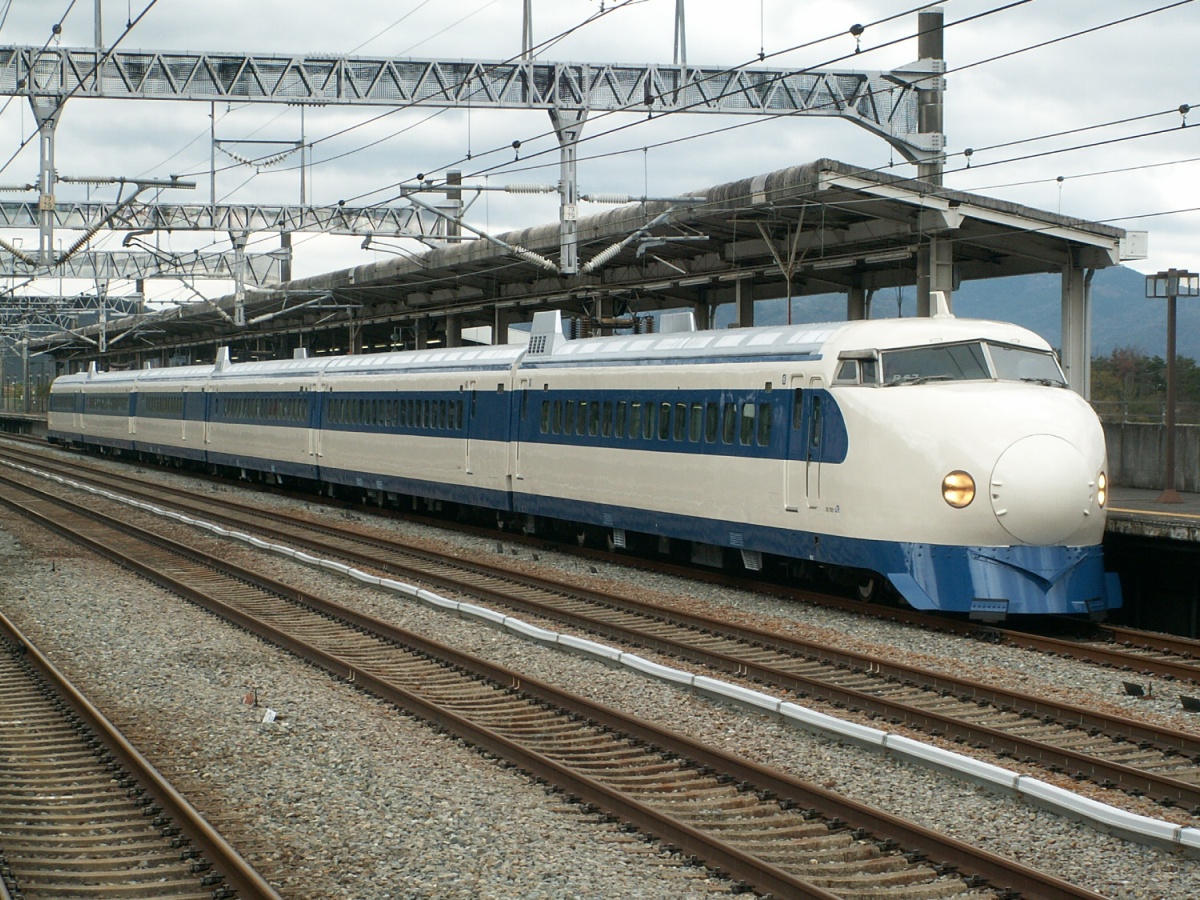
The 0 Series trains opened Japan's high-speed Shinkansen era on the Tokaido route. Electric multiple-unit traction distributed power through the...
Explore artifact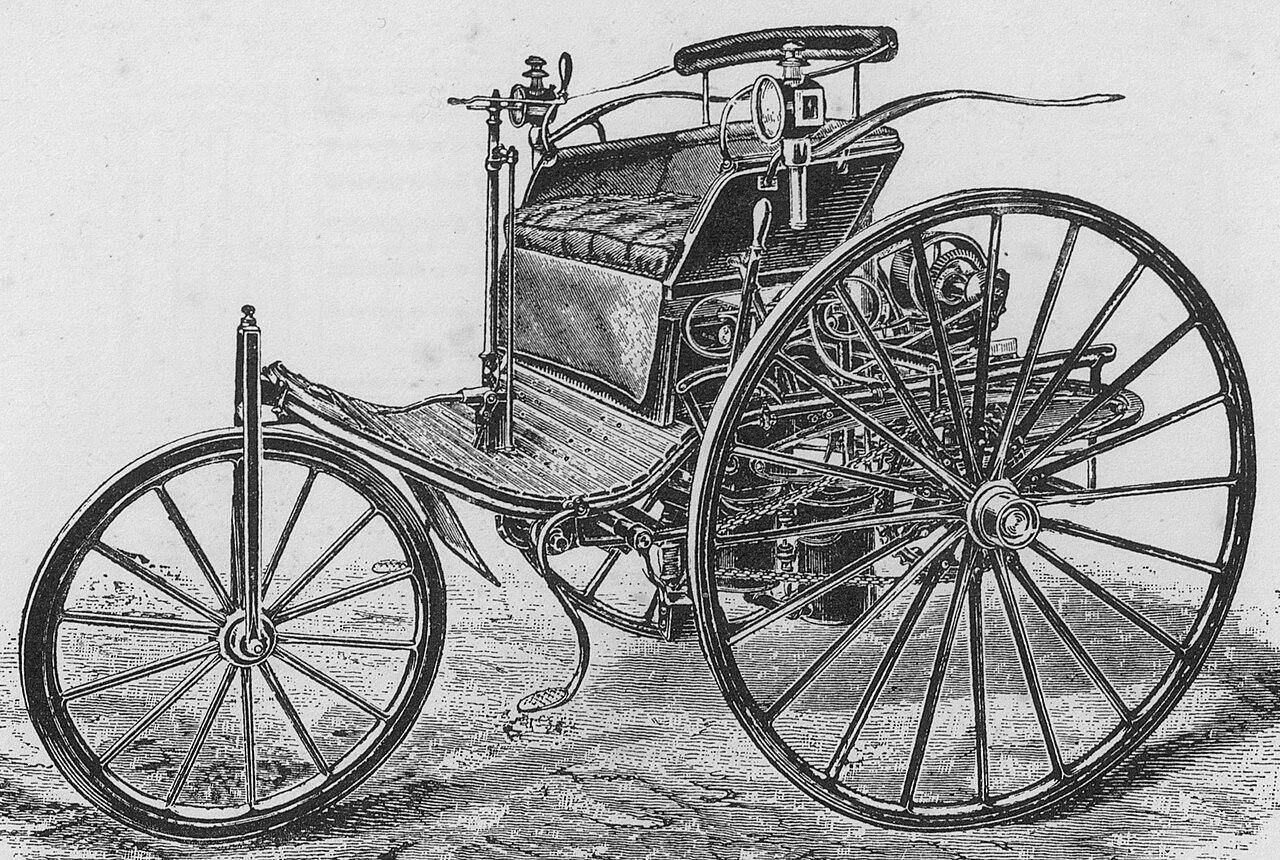
Karl Benz's three-wheeled Patent-Motorwagen integrated a petrol engine with a purpose-built vehicle chassis. Belt and chain transmission carried...
Explore artifact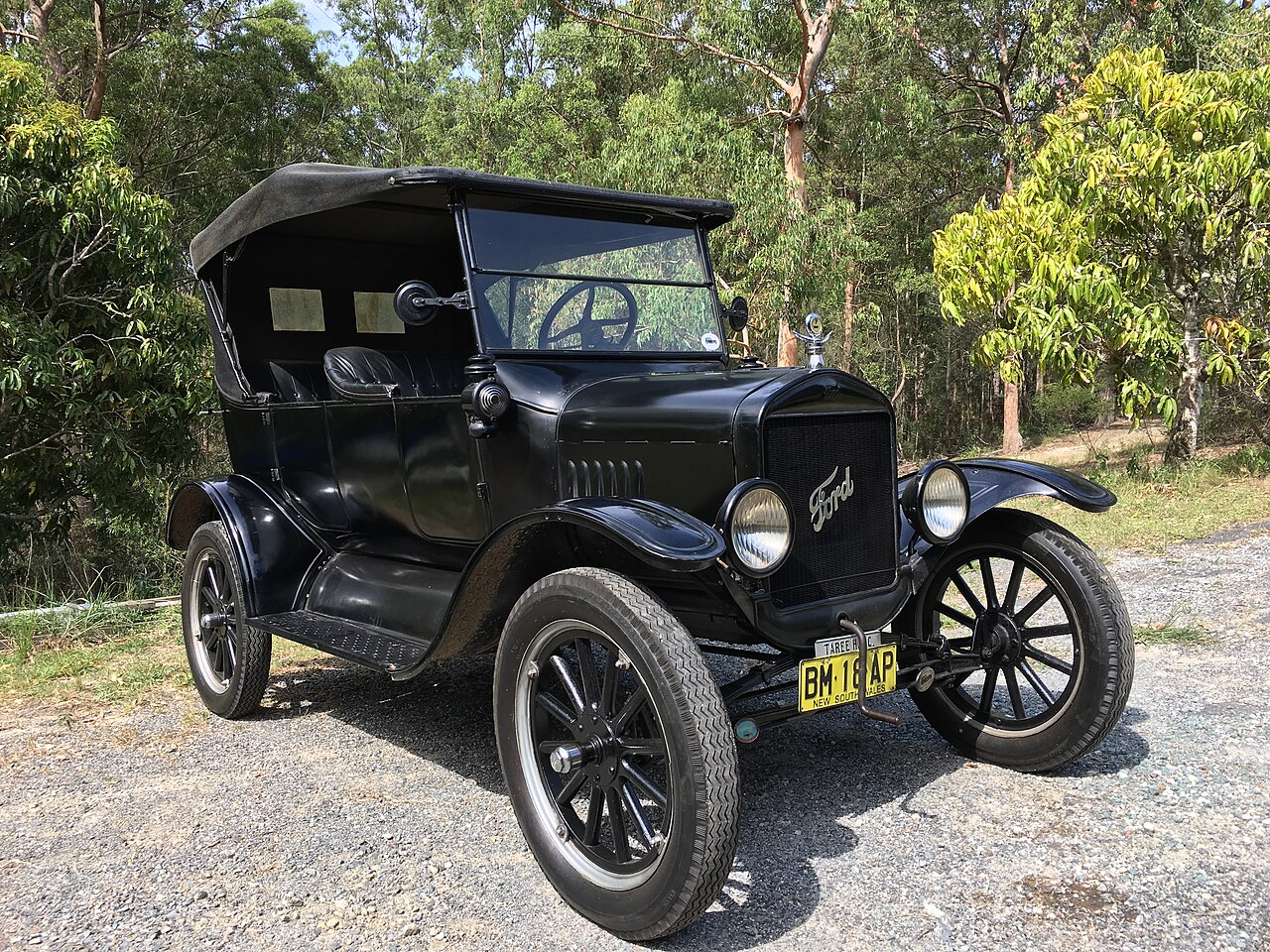
The Model T combined a relatively simple petrol engine, planetary transmission and adaptable chassis. Large-scale production and assembly-line me...
Explore artifact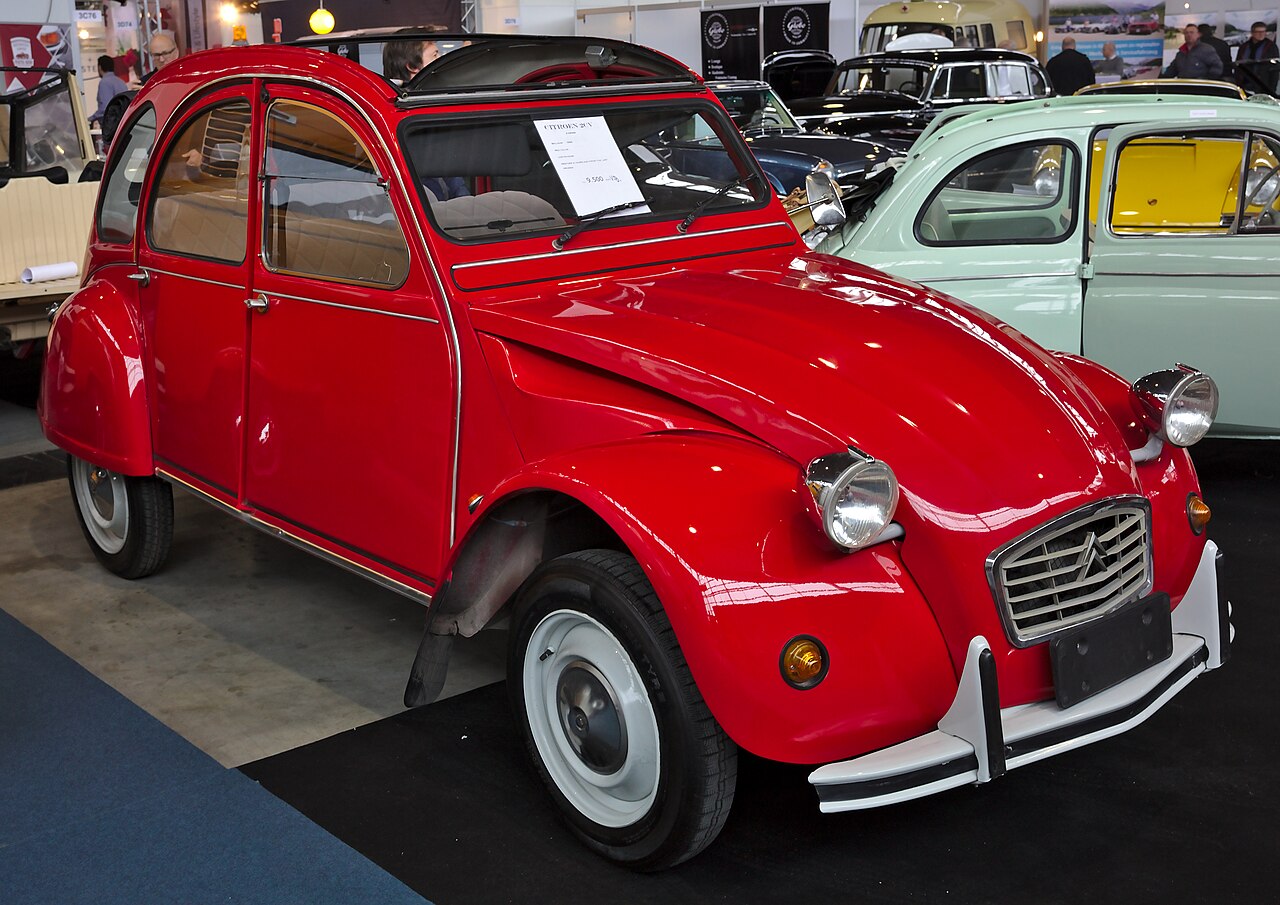
The 2CV was designed as a lightweight, economical car for everyday transport. Its air-cooled engine and long-travel suspension suited modest spee...
Explore artifact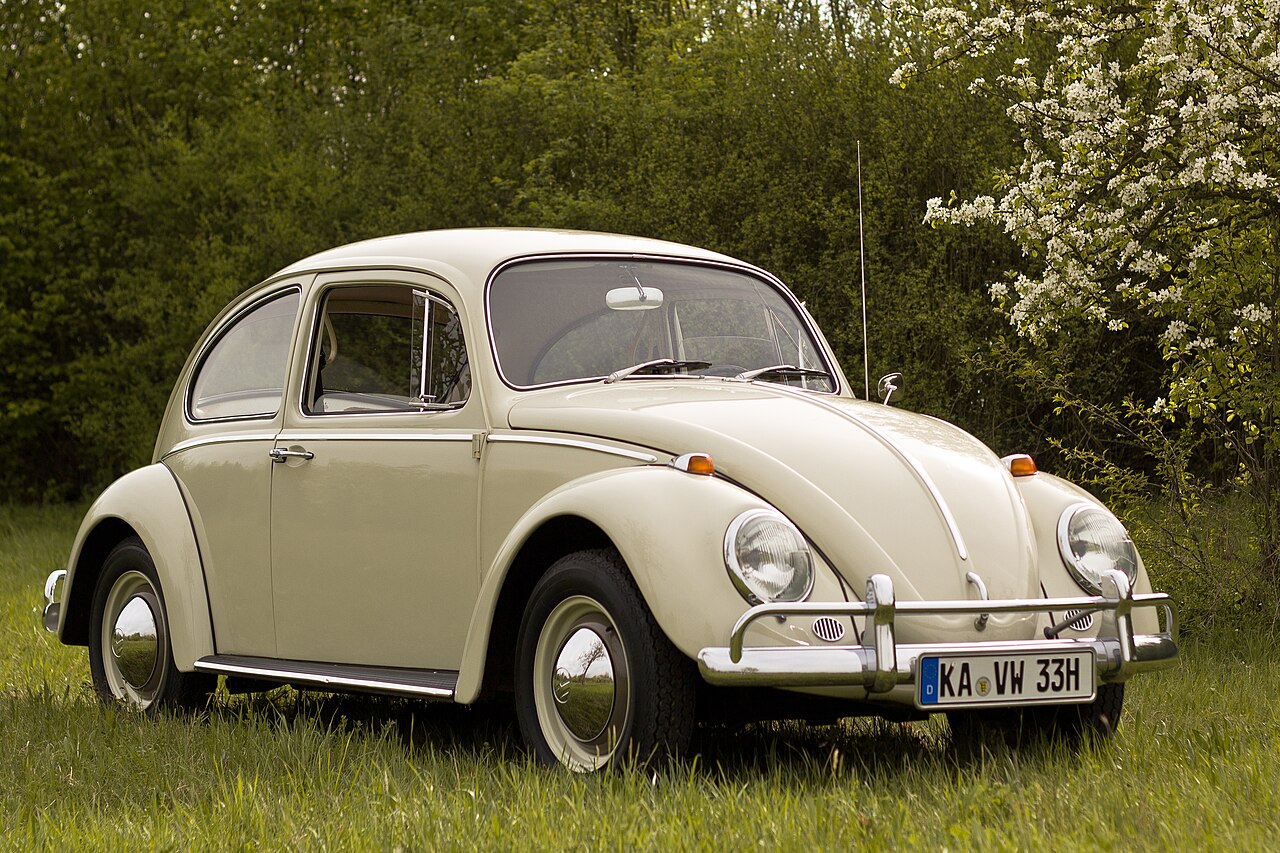
The Beetle paired a rear-mounted, air-cooled engine with a compact body. Developed under Nazi Germany and mass-produced extensively after the war...
Explore artifact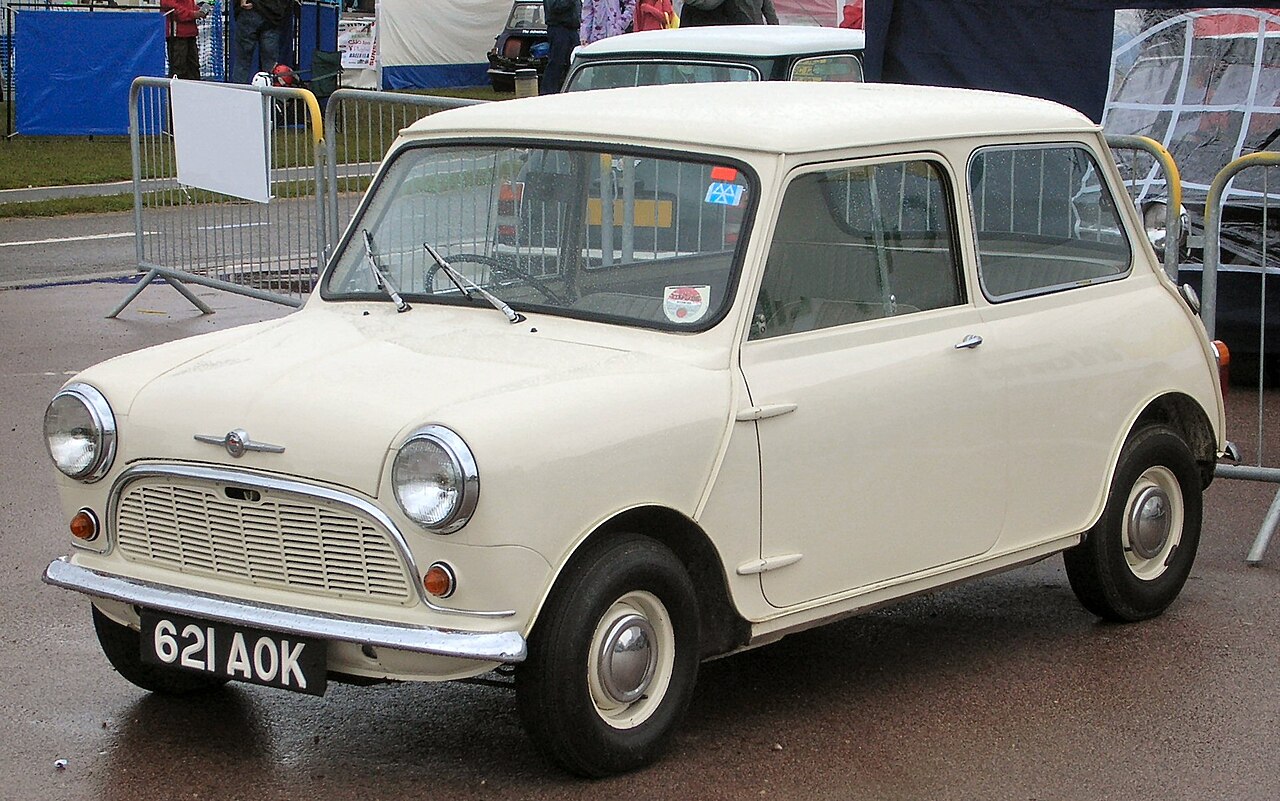
The original Mini placed its engine transversely and drove the front wheels. This compact powertrain layout left more room for passengers and inf...
Explore artifact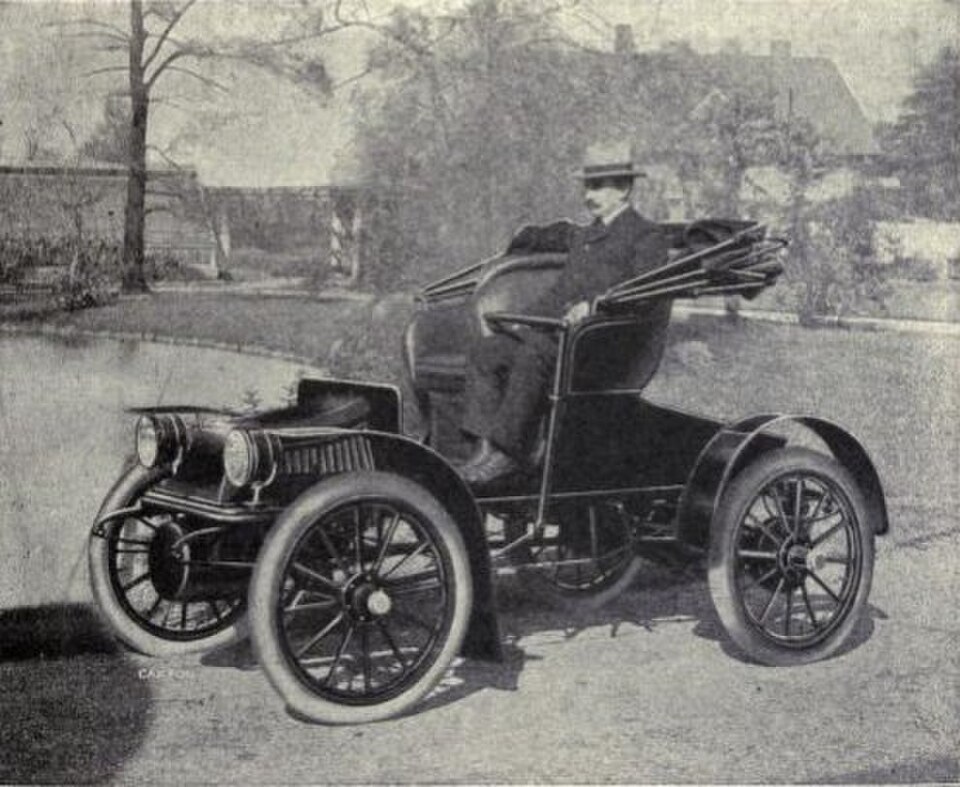
Baker electric cars used battery-powered motors for quiet, relatively simple urban travel. Surviving vehicles illustrate the important place of e...
Explore artifact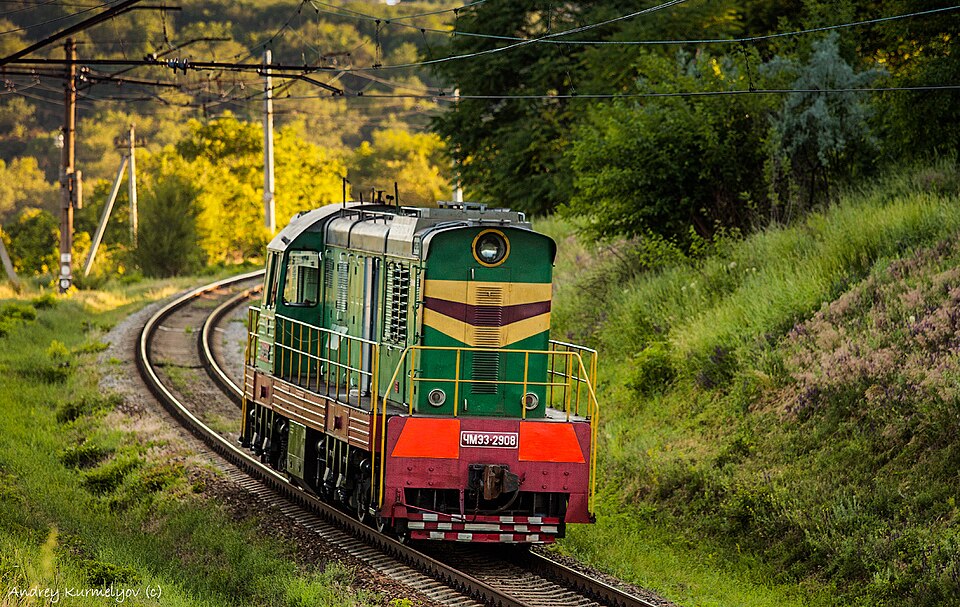
A diesel locomotive uses an internal-combustion engine with electric, hydraulic or mechanical transmission. Diesel-electric designs drive generat...
Explore artifact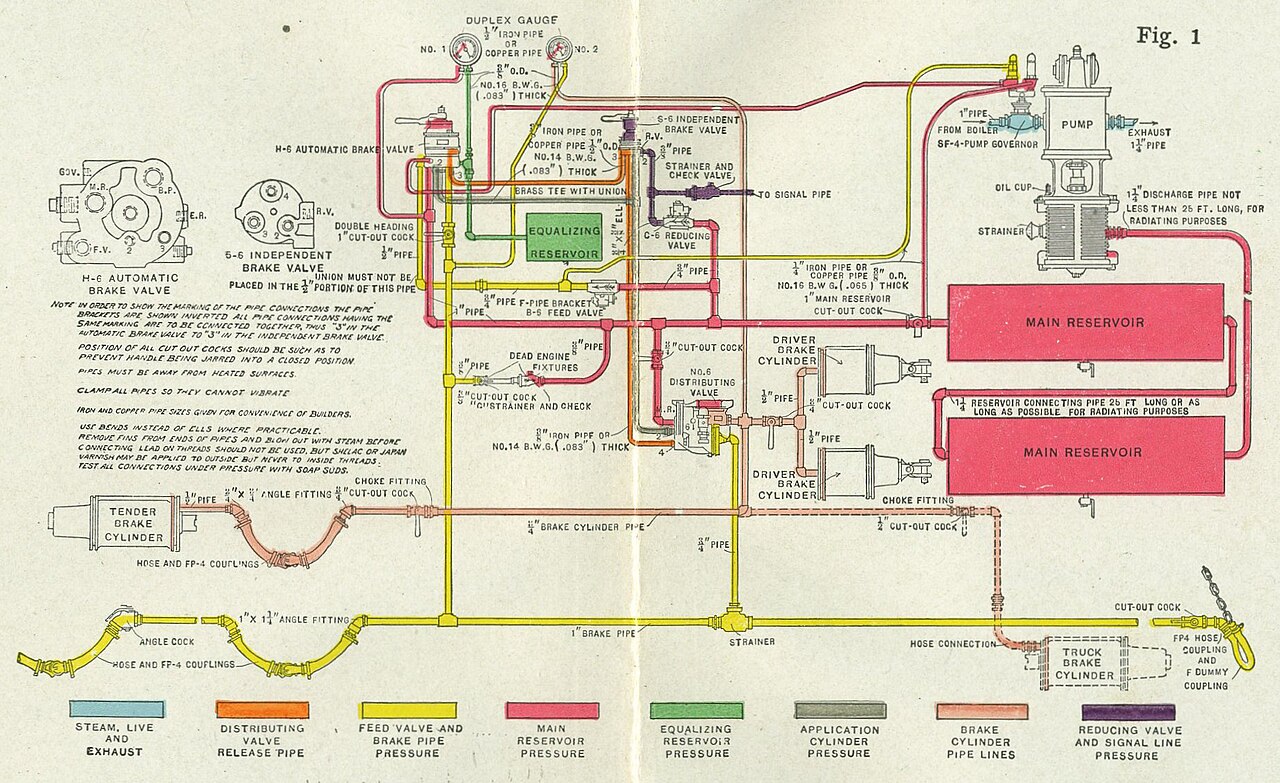
A railway air brake uses compressed air to control braking along a train. Automatic systems apply the brakes when pressure in the train pipe fall...
Explore artifact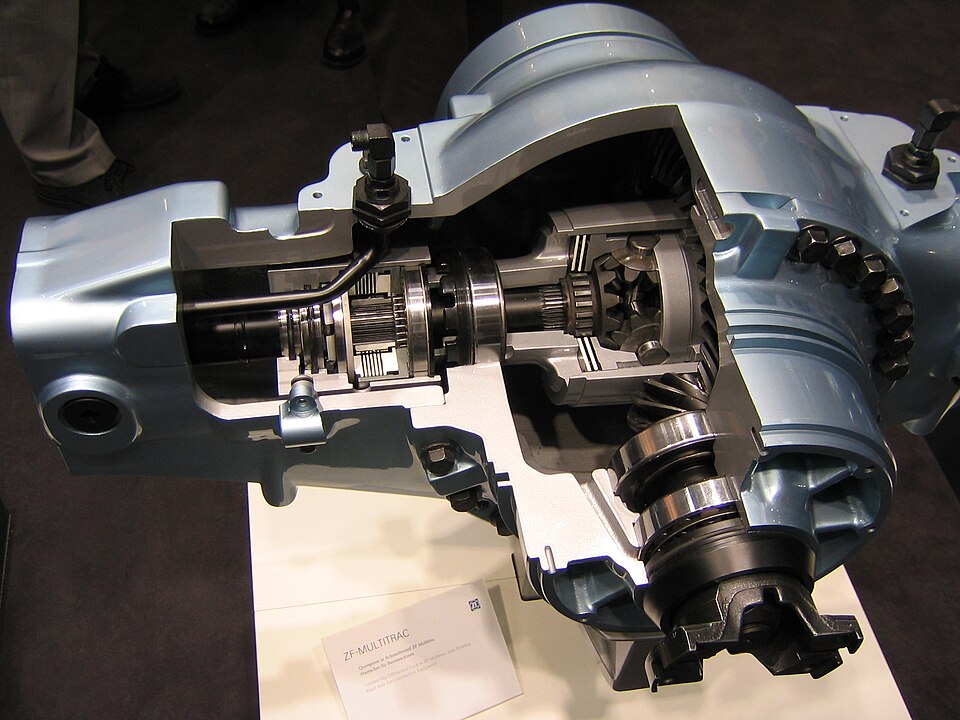
A differential transmits torque while allowing two output shafts to rotate at different speeds. In road vehicles it lets the driven wheels follow...
Explore artifact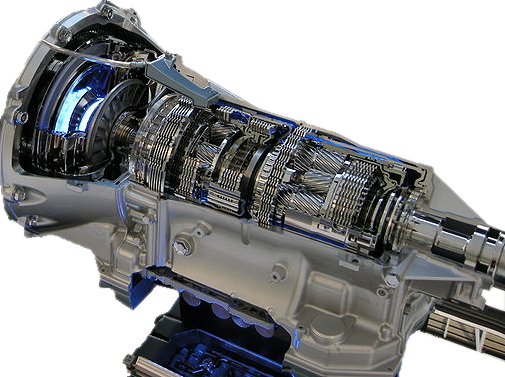
An automatic transmission changes drive ratios through coordinated gears, clutches and control systems. Hydraulic mechanisms and later electronic...
Explore artifact