
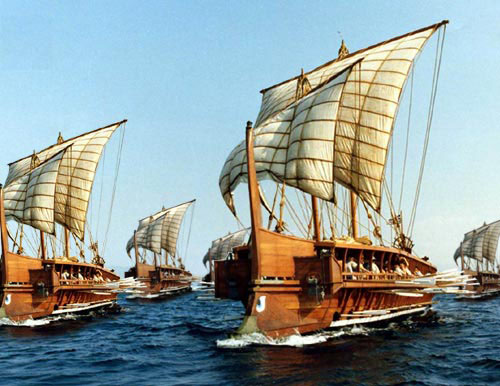
Trireme
A trireme was a warship propelled by banks of oars arranged on three levels. Its narrow hull, coordinated rowing and projecting ram were designed...
Explore artifactDiscover artifacts, instruments and engineered systems through the same twelve fields as our History directory.
Maritime & Aviation · 25 entries
A trireme was a warship propelled by banks of oars arranged on three levels. Its narrow hull, coordinated rowing and projecting ram were designed...
Explore artifact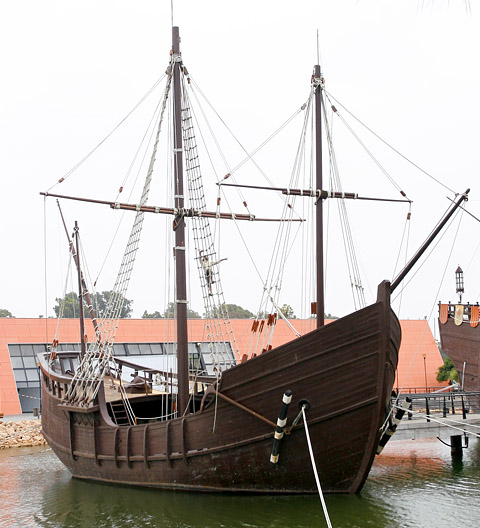
The caravel was a relatively small sailing ship associated with Portuguese and other Atlantic voyages. Its rig and hull balanced manoeuvrability...
Explore artifact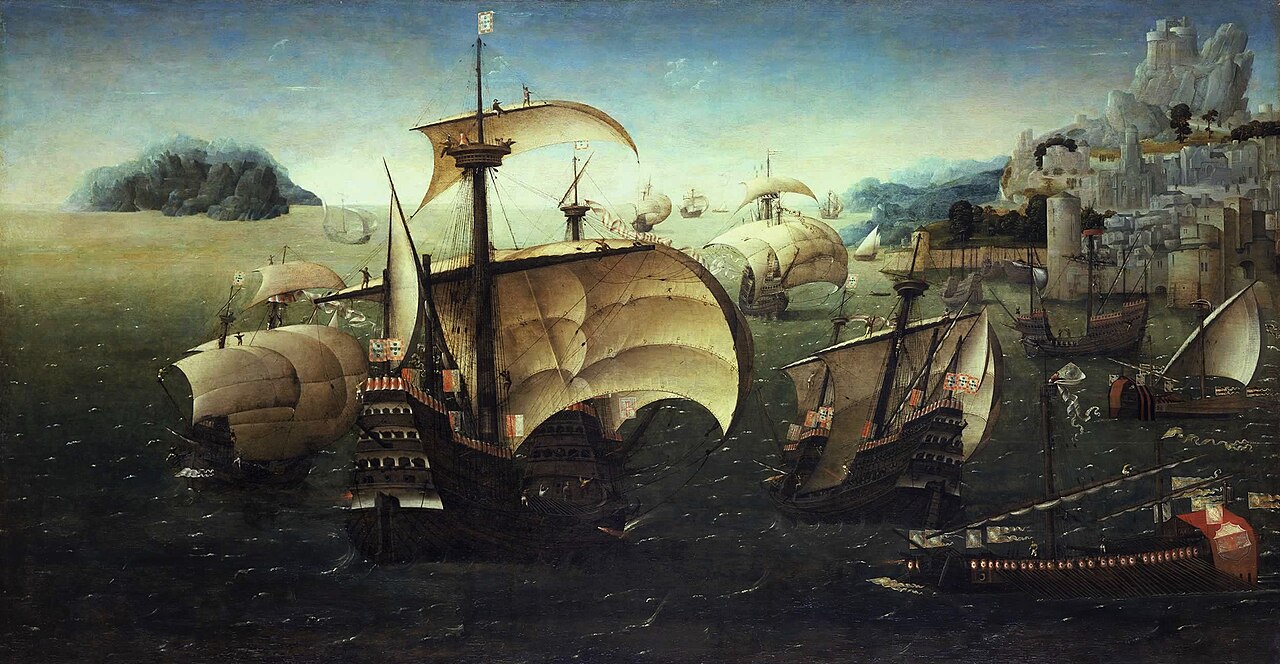
A carrack was a large ocean-going sailing ship with a high-sided hull and multiple masts. Its carrying capacity supported expanding trade, explor...
Explore artifact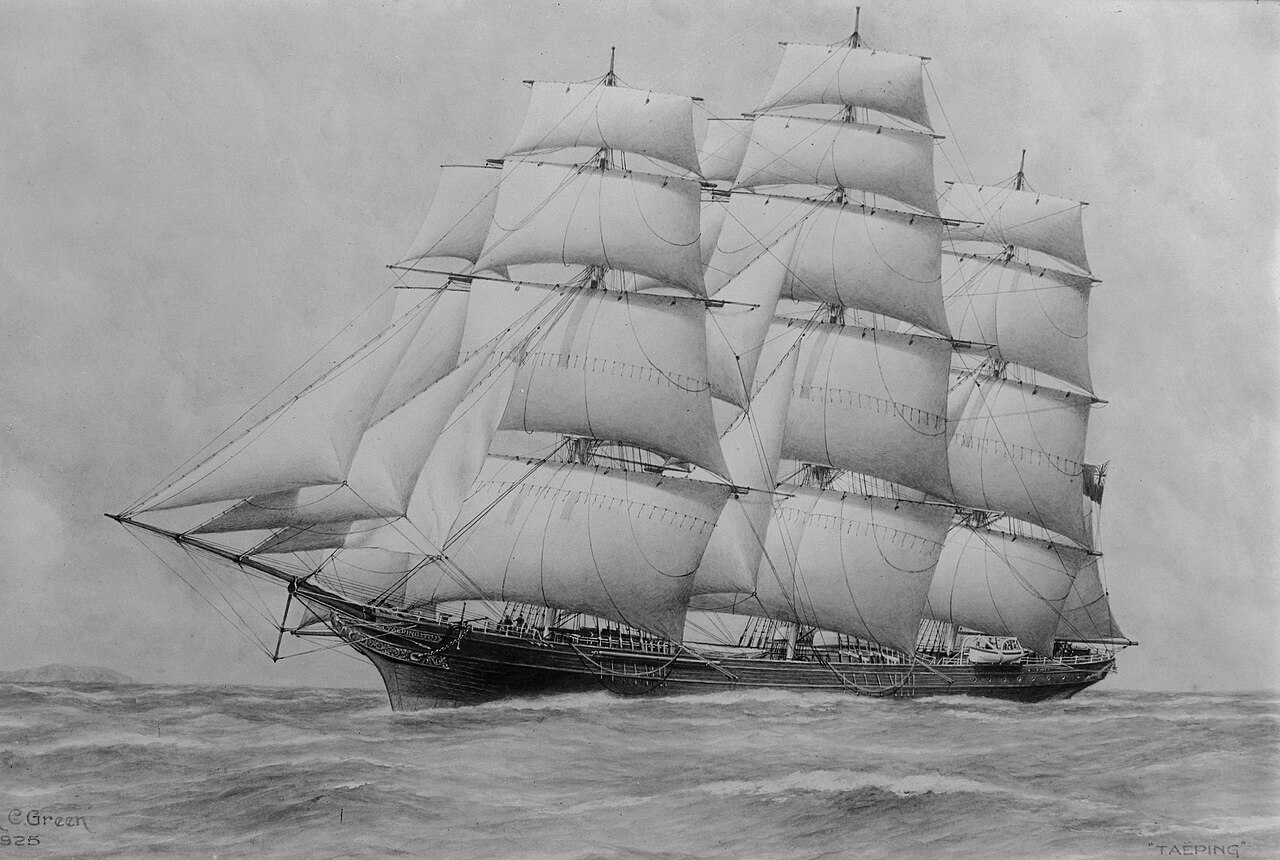
Clippers combined long, narrow hulls with extensive sail area to emphasize speed. They became associated with competitive trade routes carrying c...
Explore artifact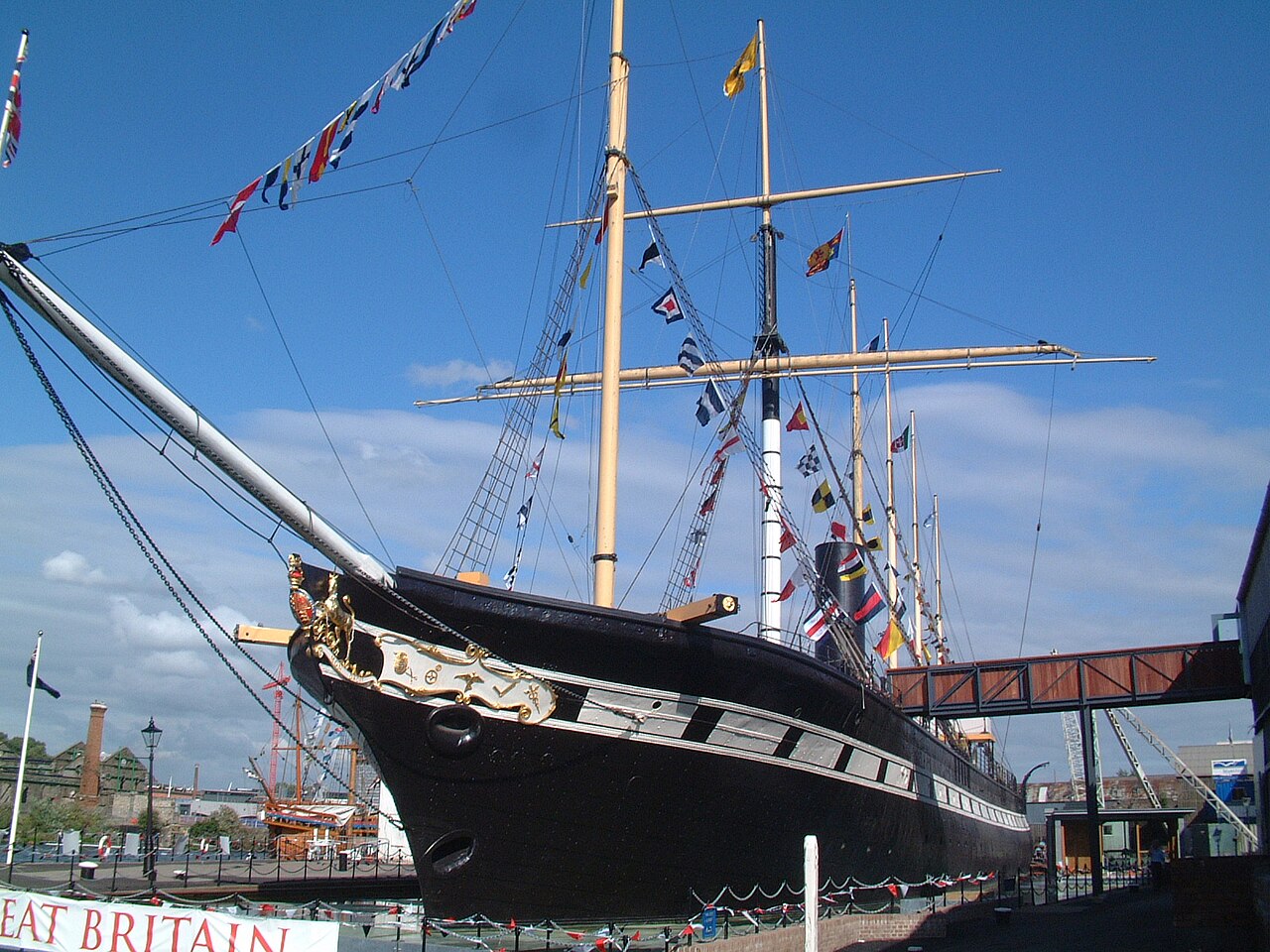
Brunel's SS Great Britain combined an iron hull with screw propulsion for ocean service. The preserved ship in Bristol offers a major surviving e...
Explore artifact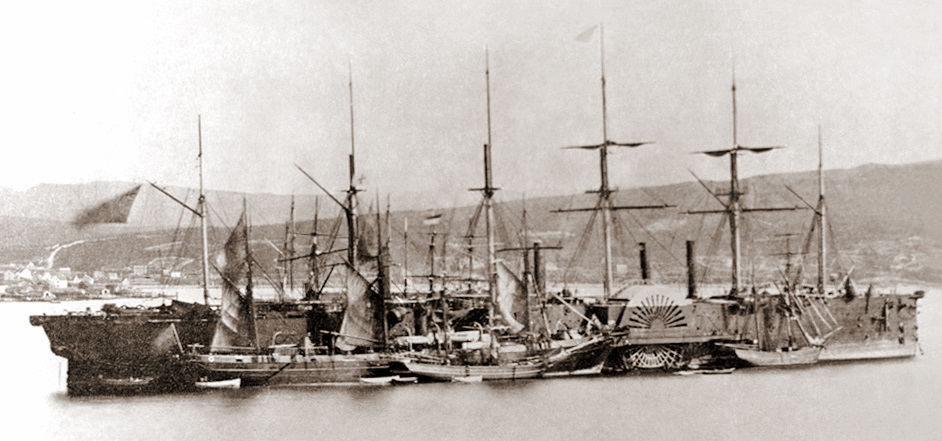
Great Eastern was an exceptionally large iron steamship designed by Isambard Kingdom Brunel. Equipped with paddle wheels and a screw propeller, i...
Explore artifact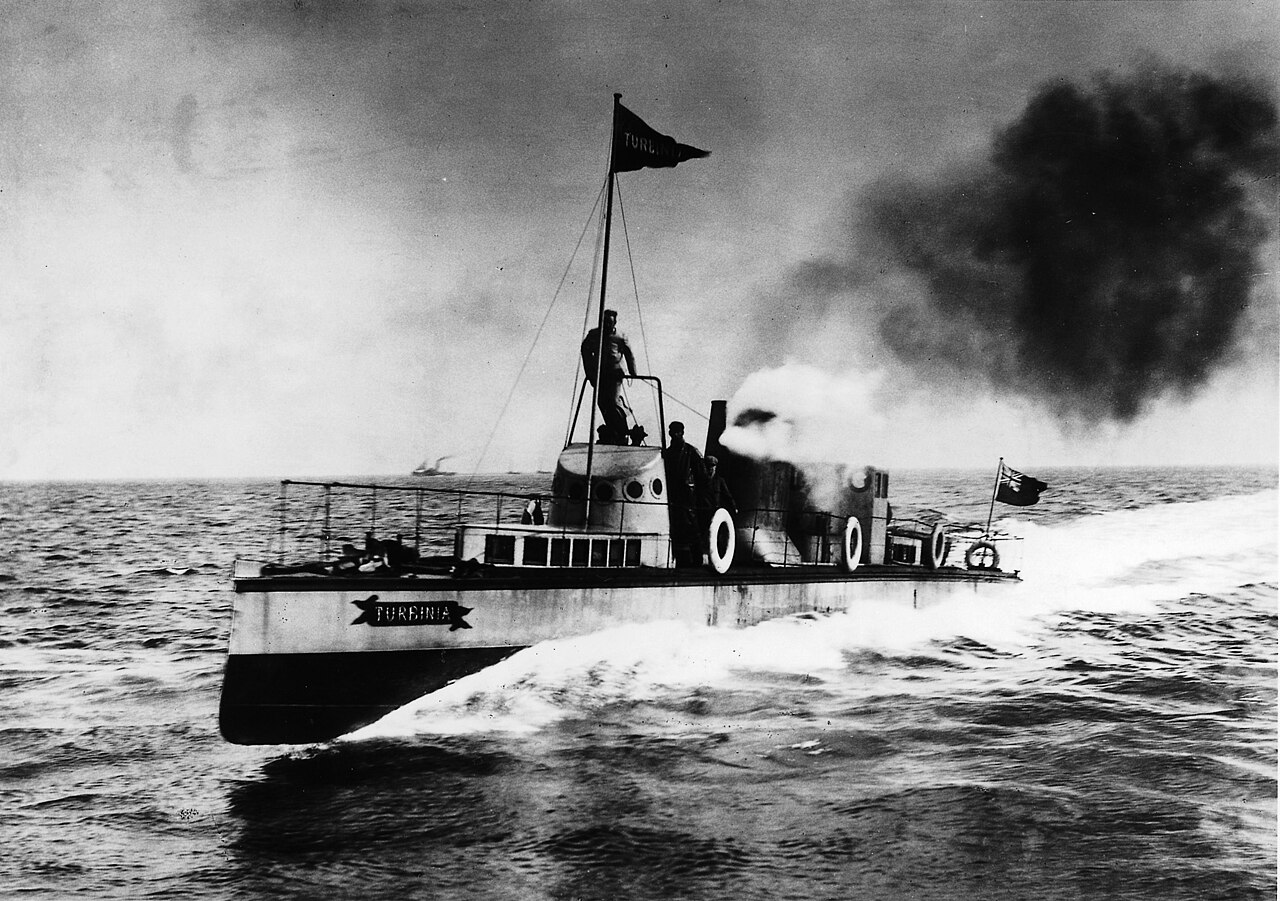
Turbinia demonstrated Charles Parsons's steam-turbine propulsion at high speed. Its experimental machinery helped show how turbines could replace...
Explore artifact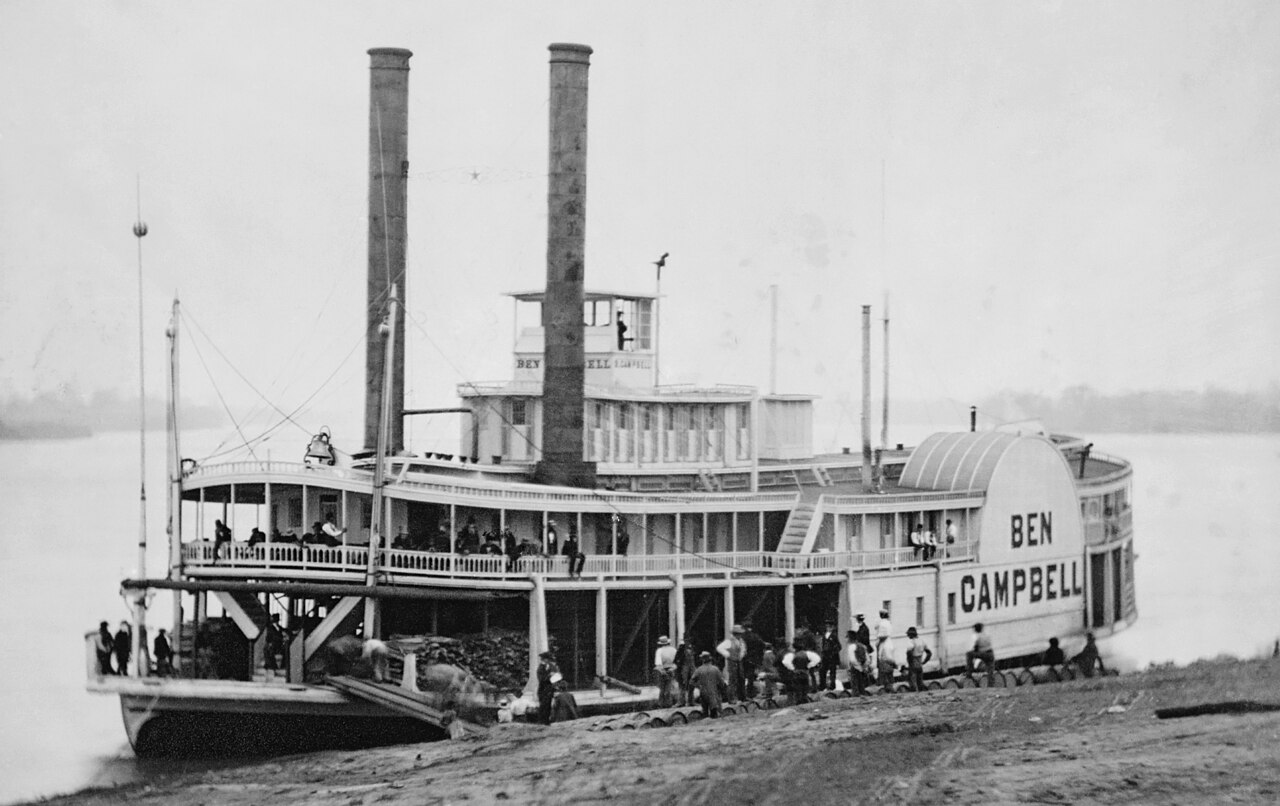
A paddle steamer turns large paddle wheels to push against the water. Side-wheel and stern-wheel arrangements were used on rivers, lakes and coas...
Explore artifact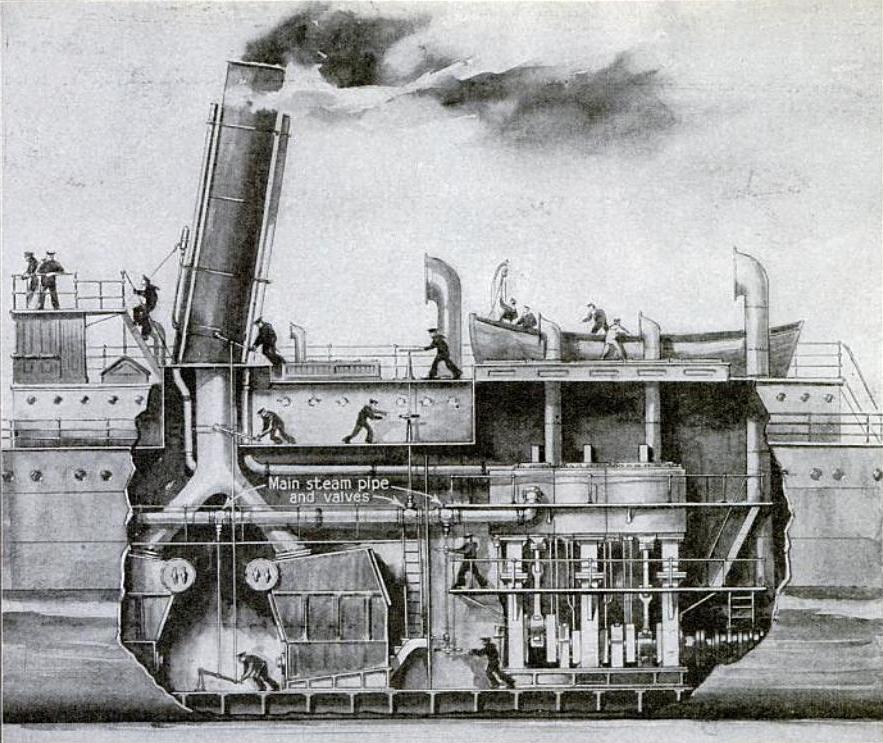
A marine steam engine converts steam pressure into the motion that drives a ship's paddles or propeller. Compact arrangements, multiple expansion...
Explore artifact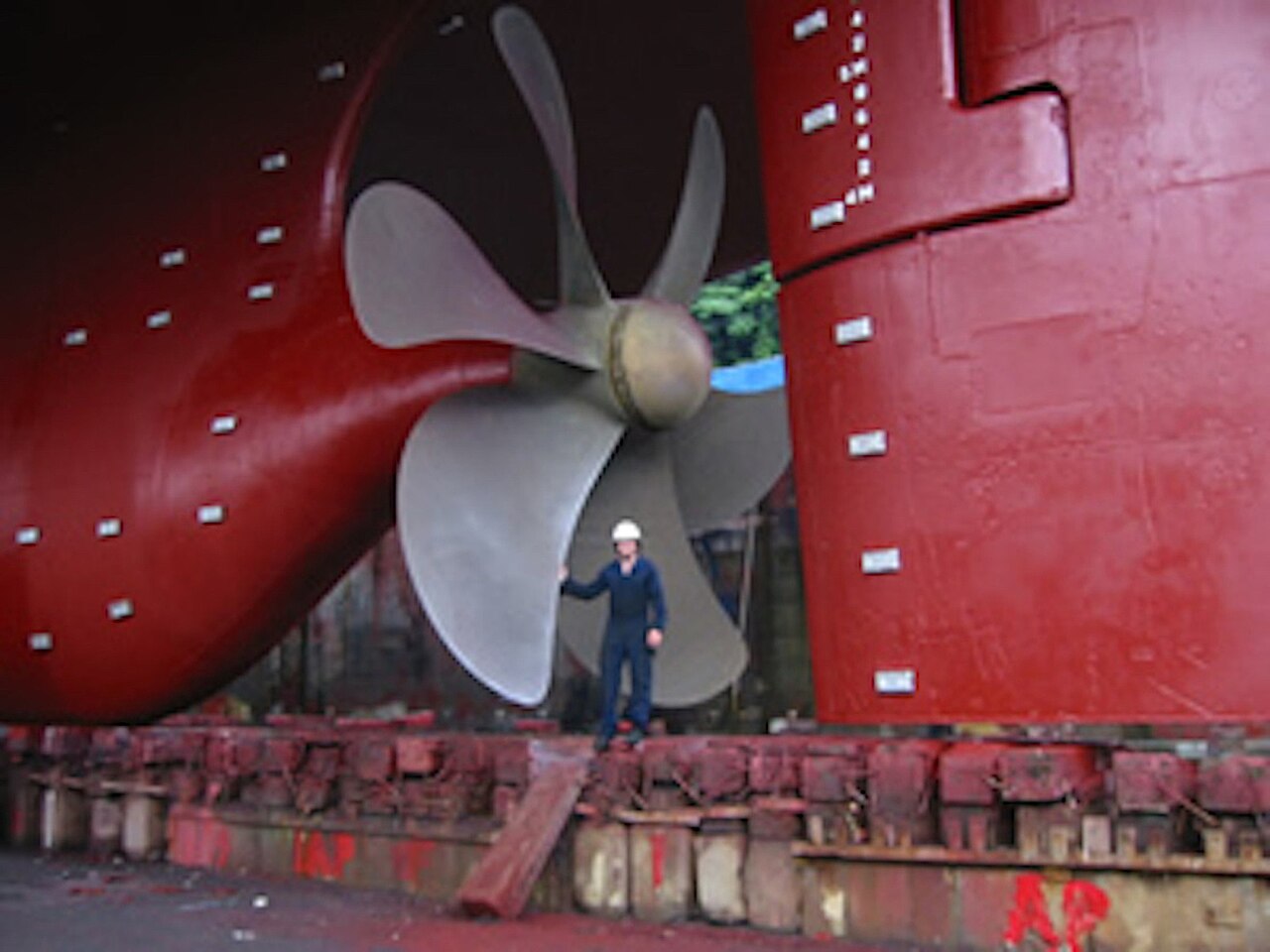
A screw propeller produces thrust as its rotating blades accelerate water. Blade shape, diameter and pitch link the engine's rotation to the move...
Explore artifact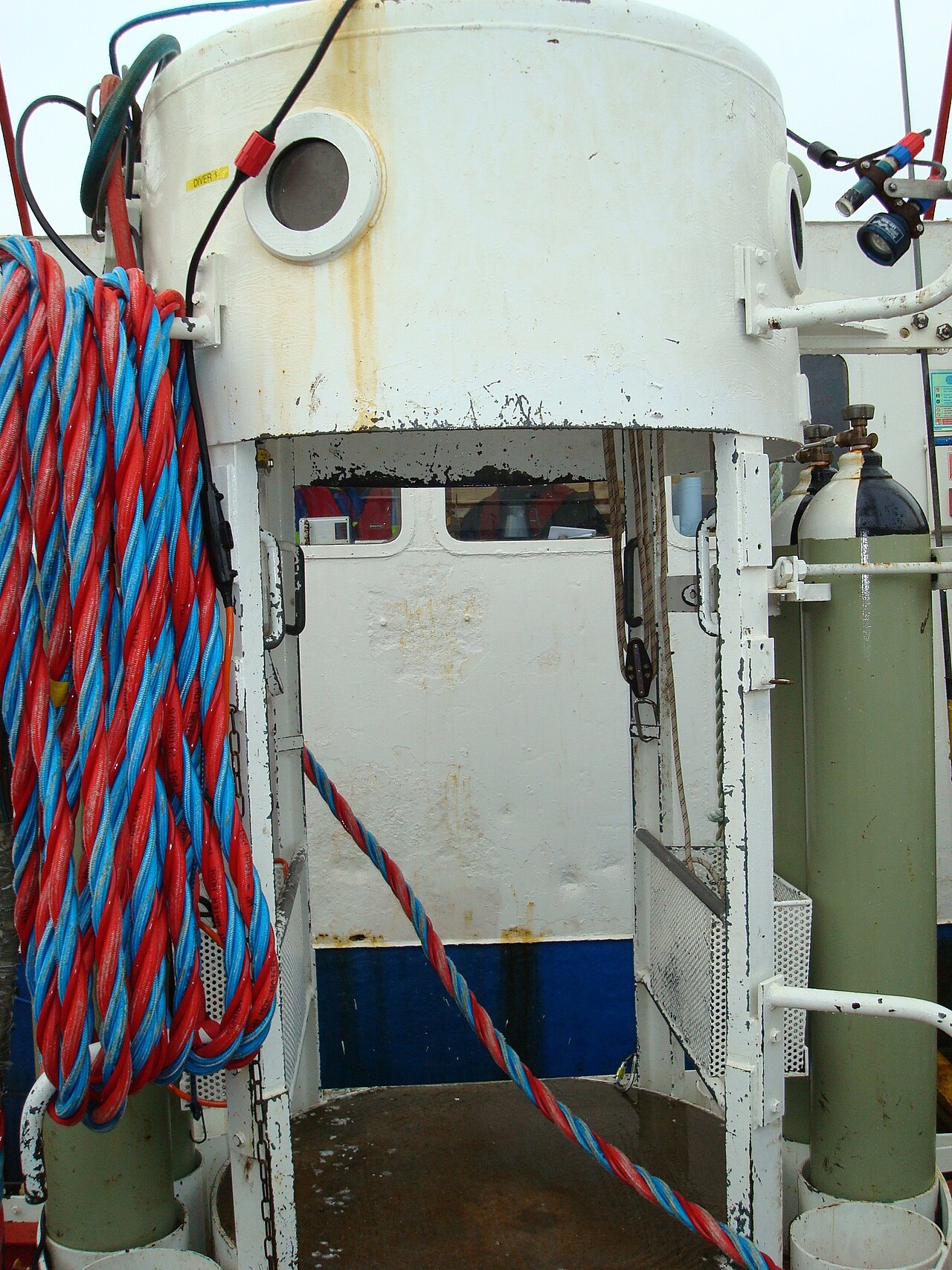
A diving bell carries a trapped air space below the surface of the water. Suspended and supplied from above, it provided an early means of extend...
Explore artifact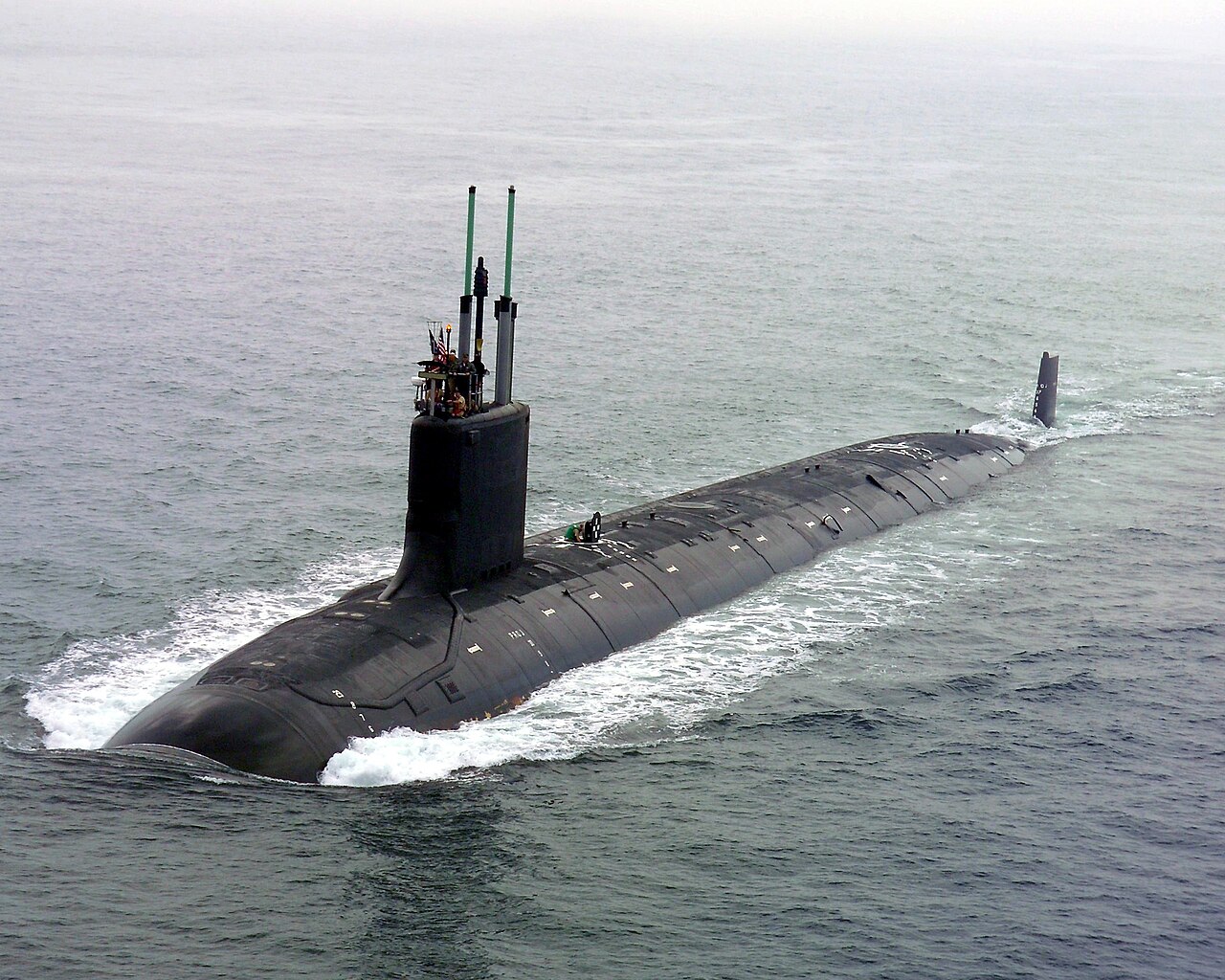
A submarine controls buoyancy and propulsion to operate below the water surface. Ballast tanks, pressure-resistant structures and underwater powe...
Explore artifact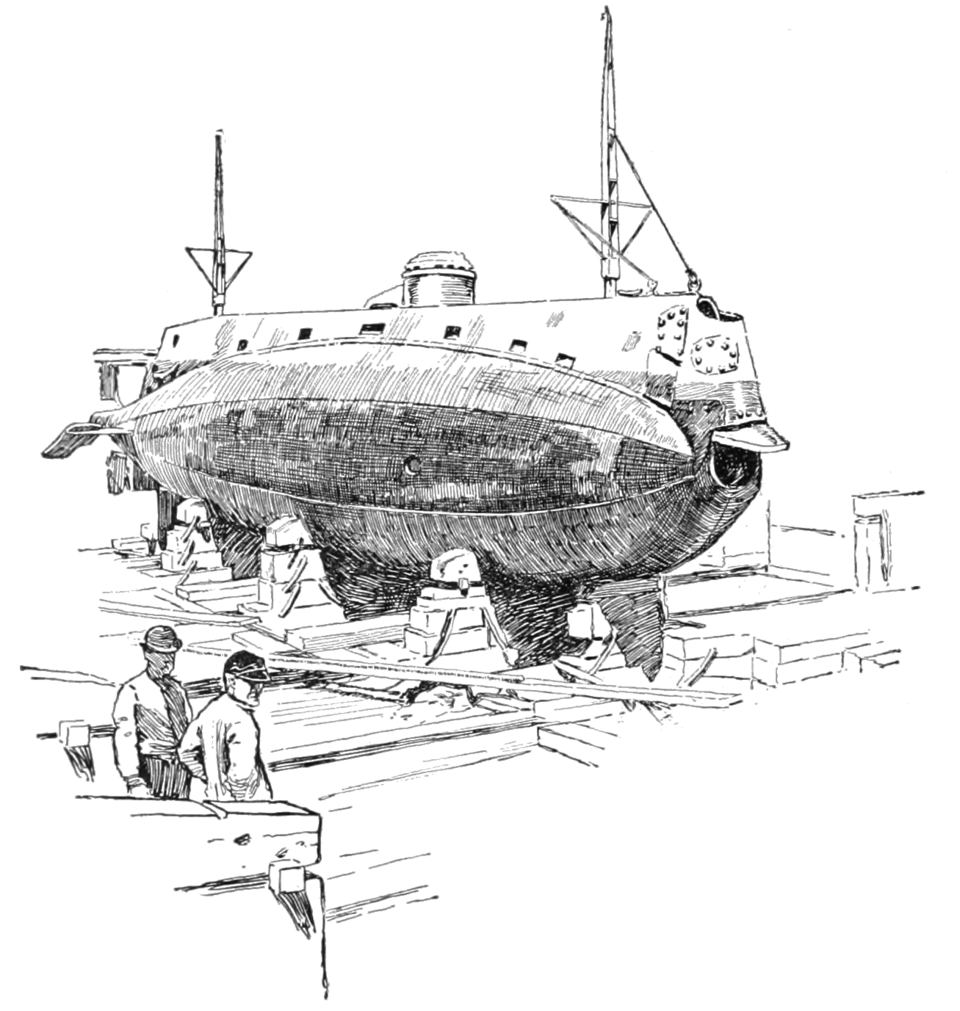
Britain's Holland-class boats were an early Royal Navy submarine class based on John Philip Holland's designs. Separate surface and submerged pow...
Explore artifact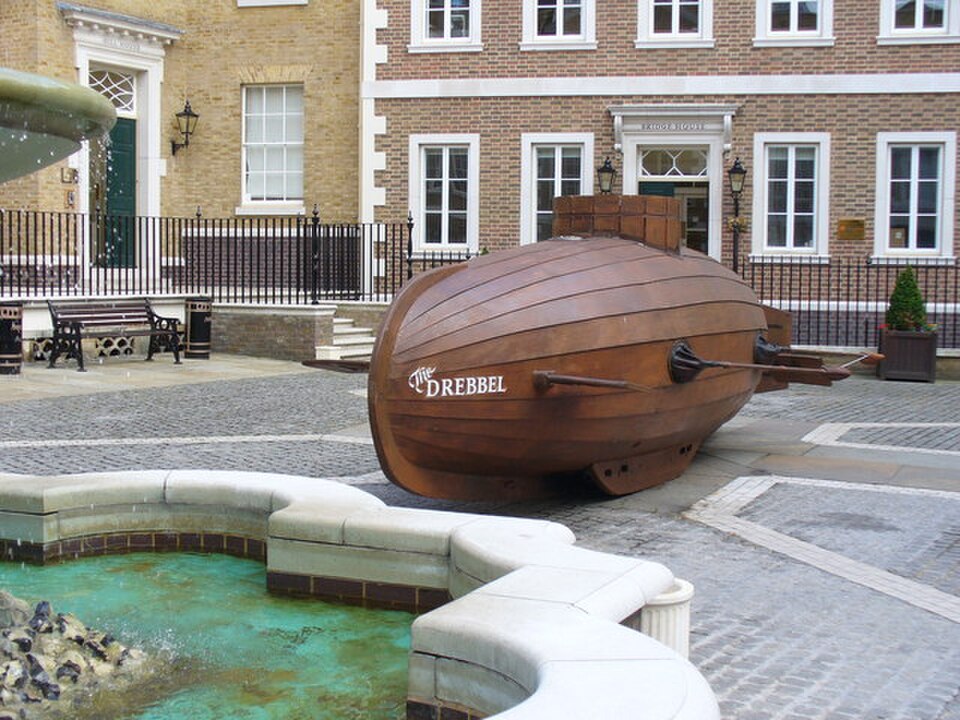
Cornelis Drebbel demonstrated an early submersible on the River Thames. Accounts describe an enclosed, oar-powered craft; modern reconstructions...
Explore artifact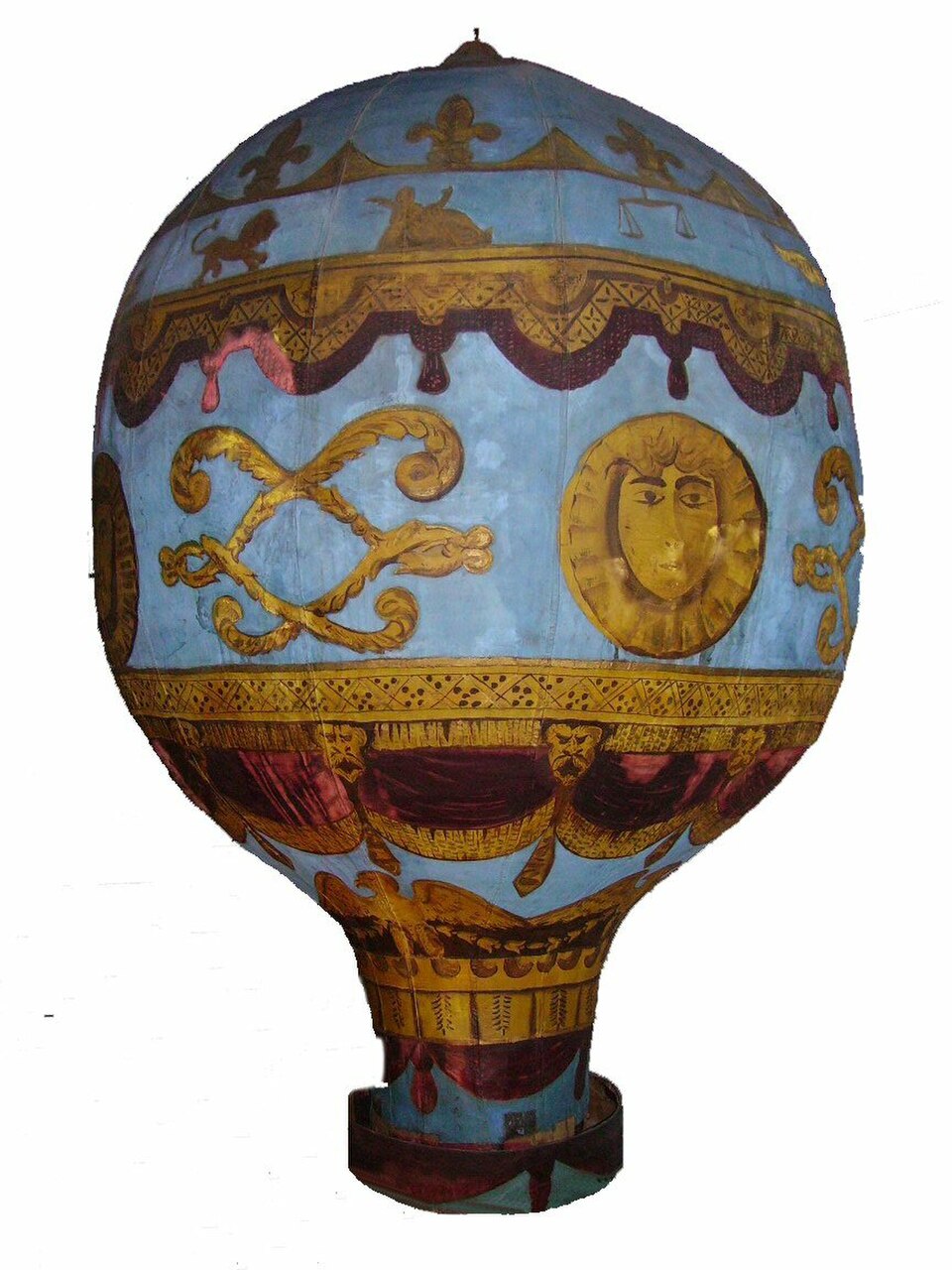
A hot-air balloon rises because heated air inside its envelope is less dense than the surrounding air. Early flights by the Montgolfier brothers...
Explore artifact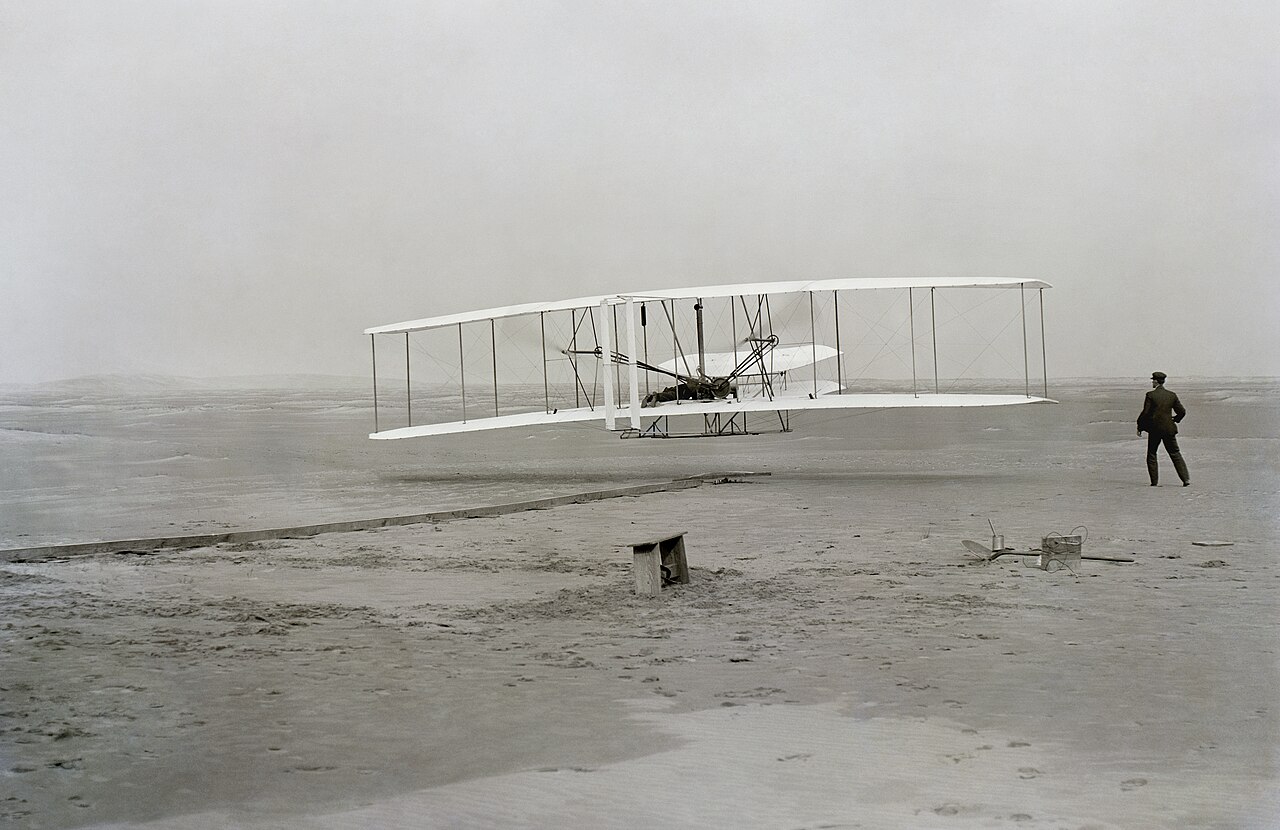
The Wright Flyer combined a lightweight engine, propellers and a system for controlling an aircraft in three axes. Its flights at Kitty Hawk demo...
Explore artifact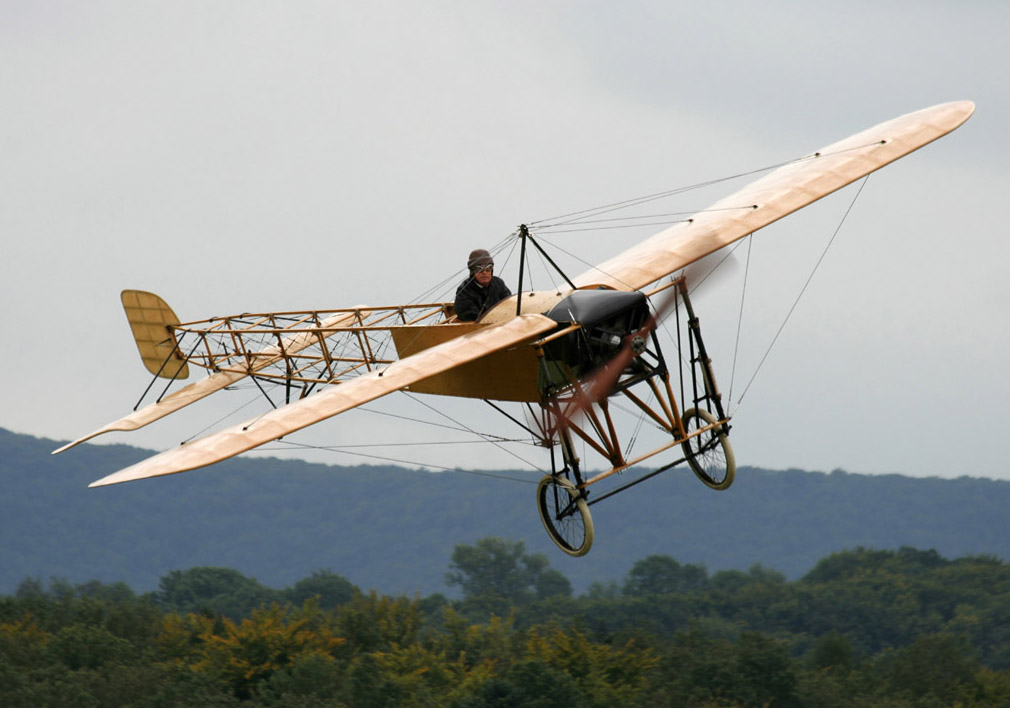
The Blériot XI was a light monoplane with a tractor propeller and wire-braced structure. Louis Blériot used one to cross the English Channel in 1...
Explore artifact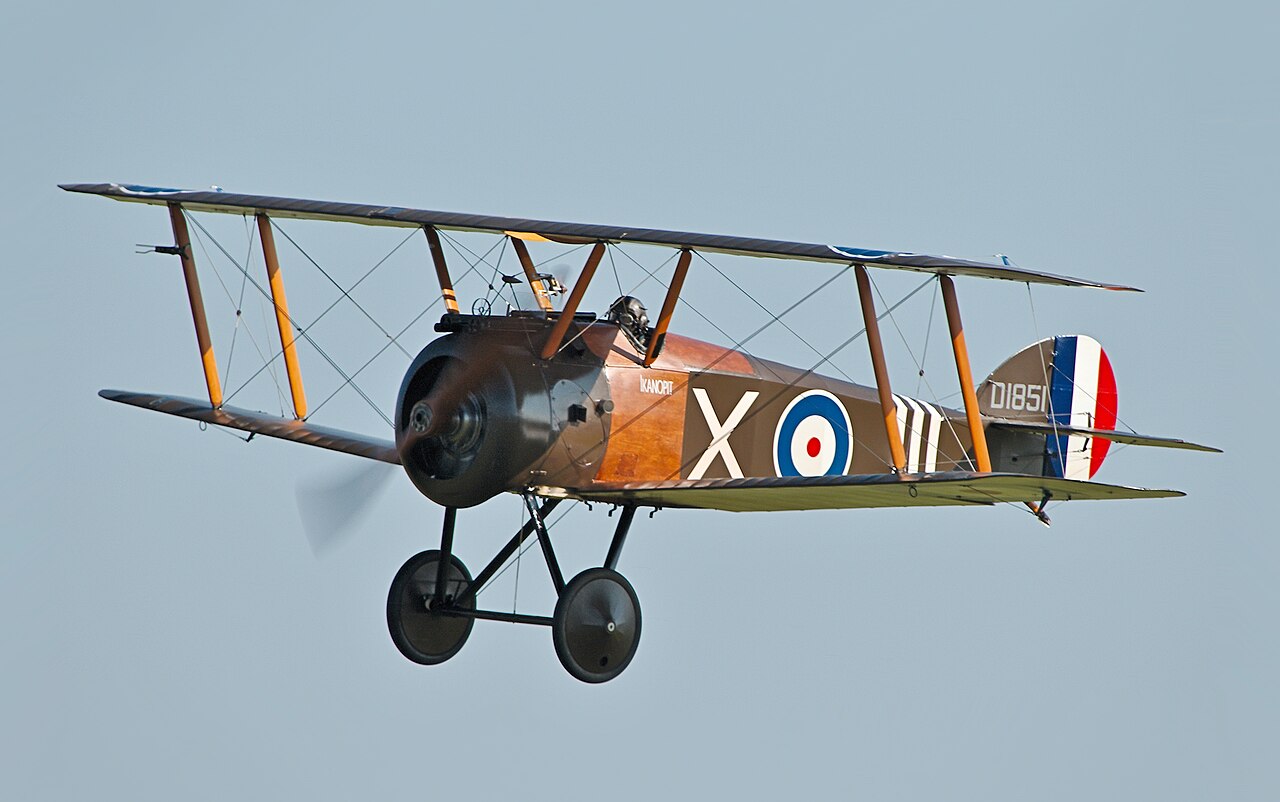
The Sopwith Camel was a single-seat British fighter of the First World War. A rotary engine, compact structure and concentrated mass gave it dist...
Explore artifact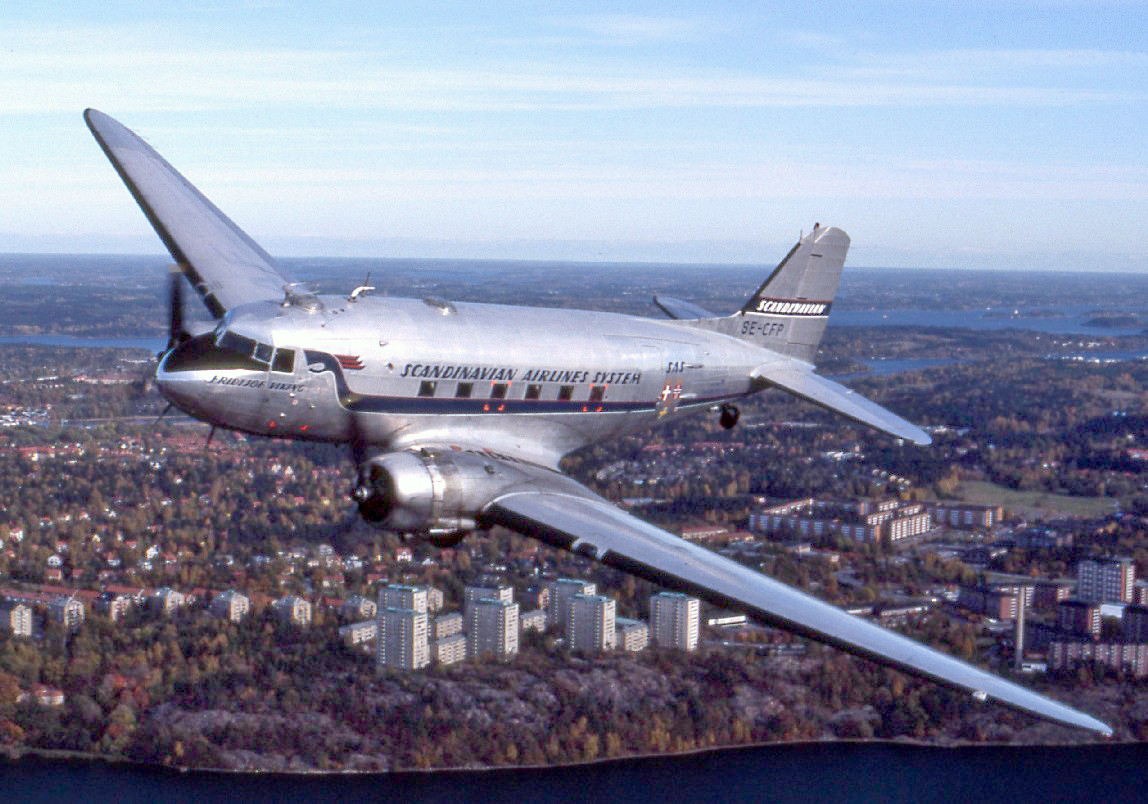
The DC-3 was a twin-engine transport that helped make passenger airline service commercially practical. Its robust airframe also supported extens...
Explore artifact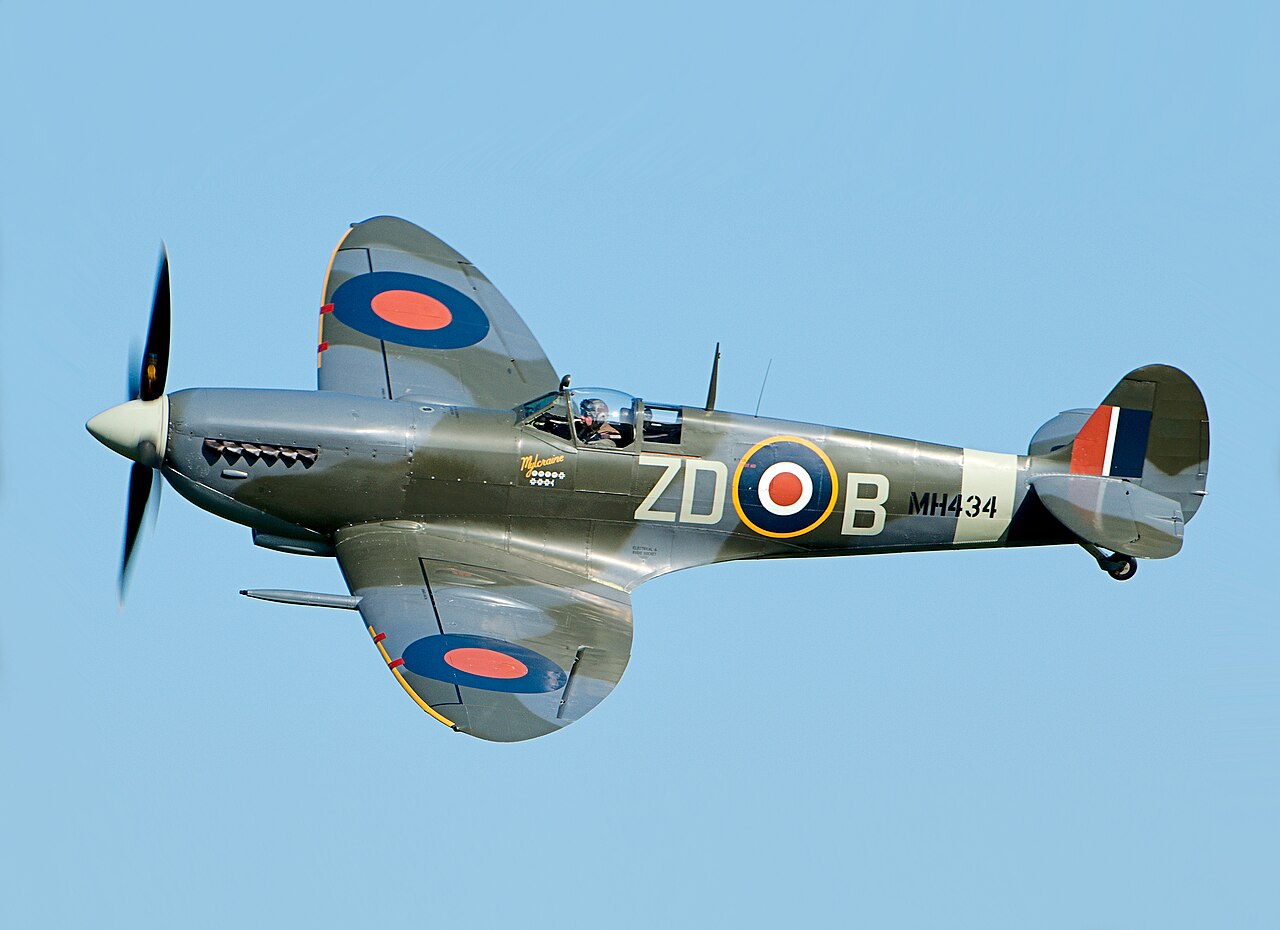
The Spitfire was a British fighter developed around a streamlined airframe and distinctive elliptical wing. Successive versions adapted engines,...
Explore artifact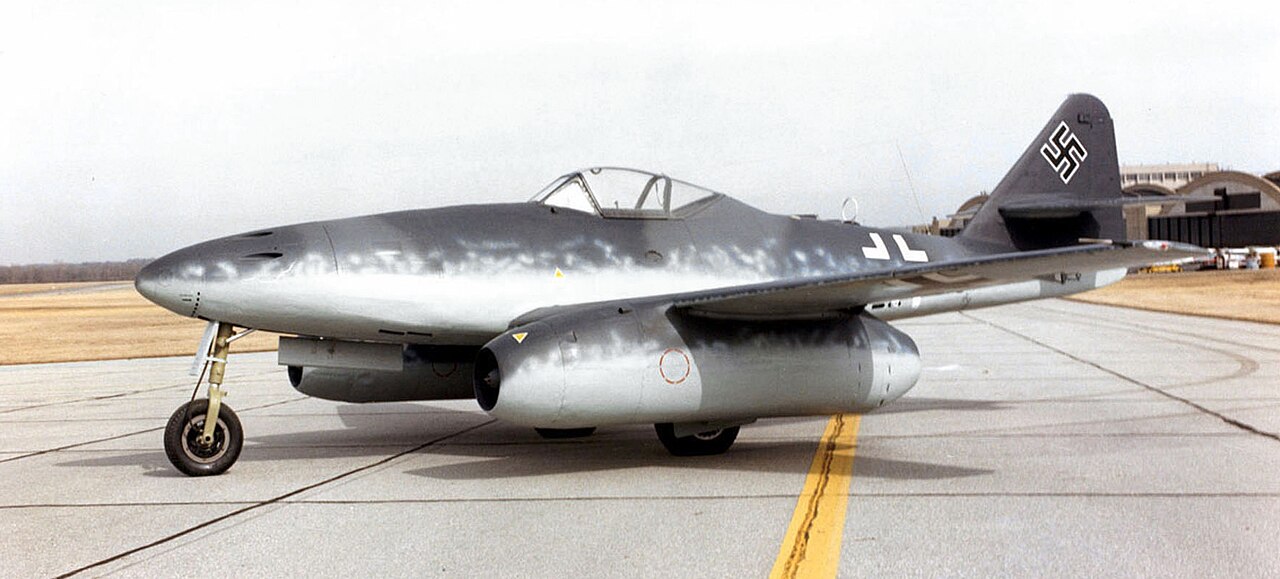
The Me 262 was an early operational jet fighter powered by two turbojet engines. Its speed demonstrated the potential of jet propulsion, while pr...
Explore artifact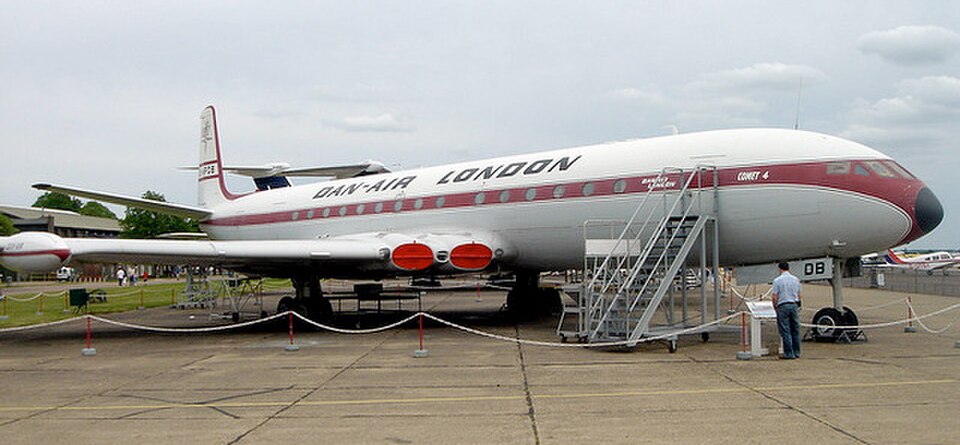
The Comet brought jet propulsion to scheduled passenger airline service. Early structural failures prompted major investigations into pressurized...
Explore artifact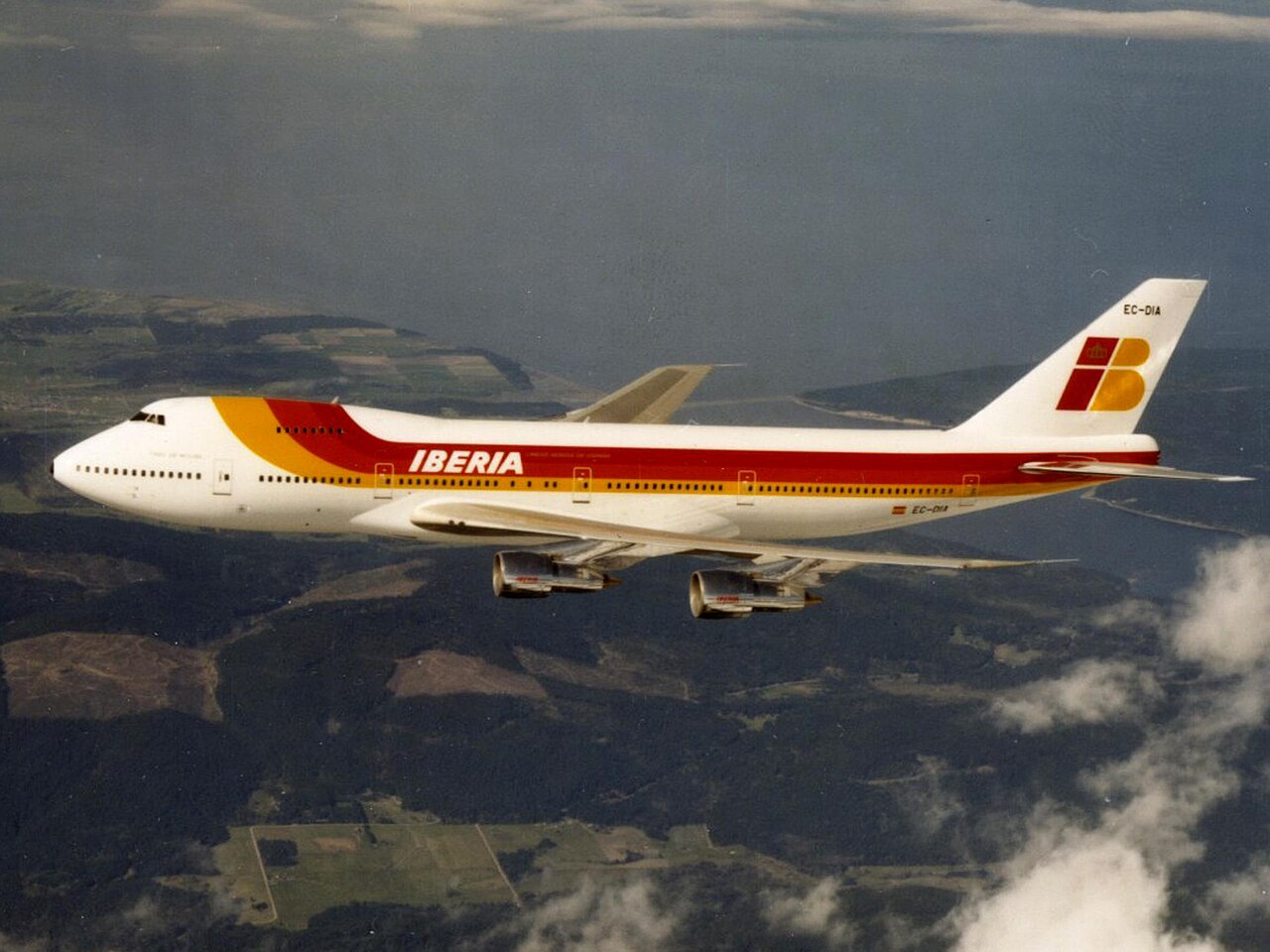
The Boeing 747 introduced a large wide-body airliner with a distinctive raised forward deck. Its scale and four-engine layout expanded capacity o...
Explore artifact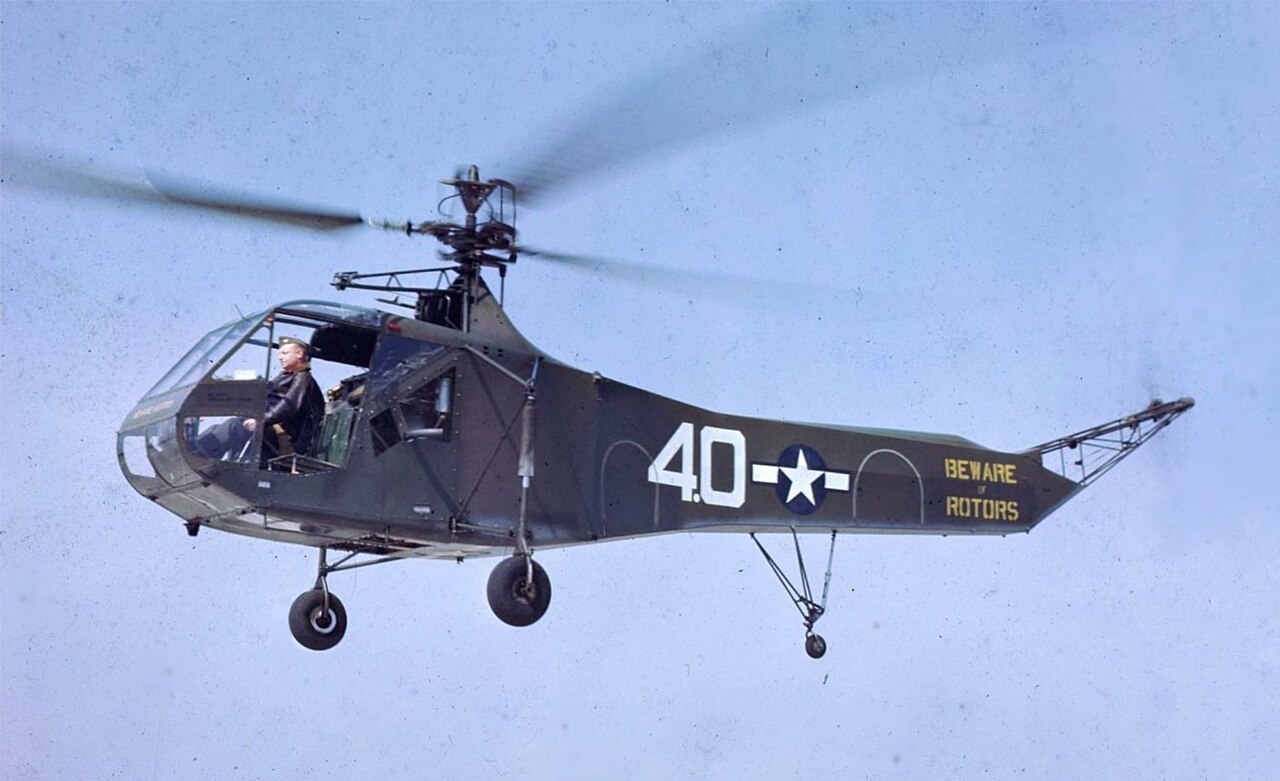
The R-4 was an early helicopter produced in quantity for military service. Its single main rotor and tail rotor helped establish a practical arra...
Explore artifact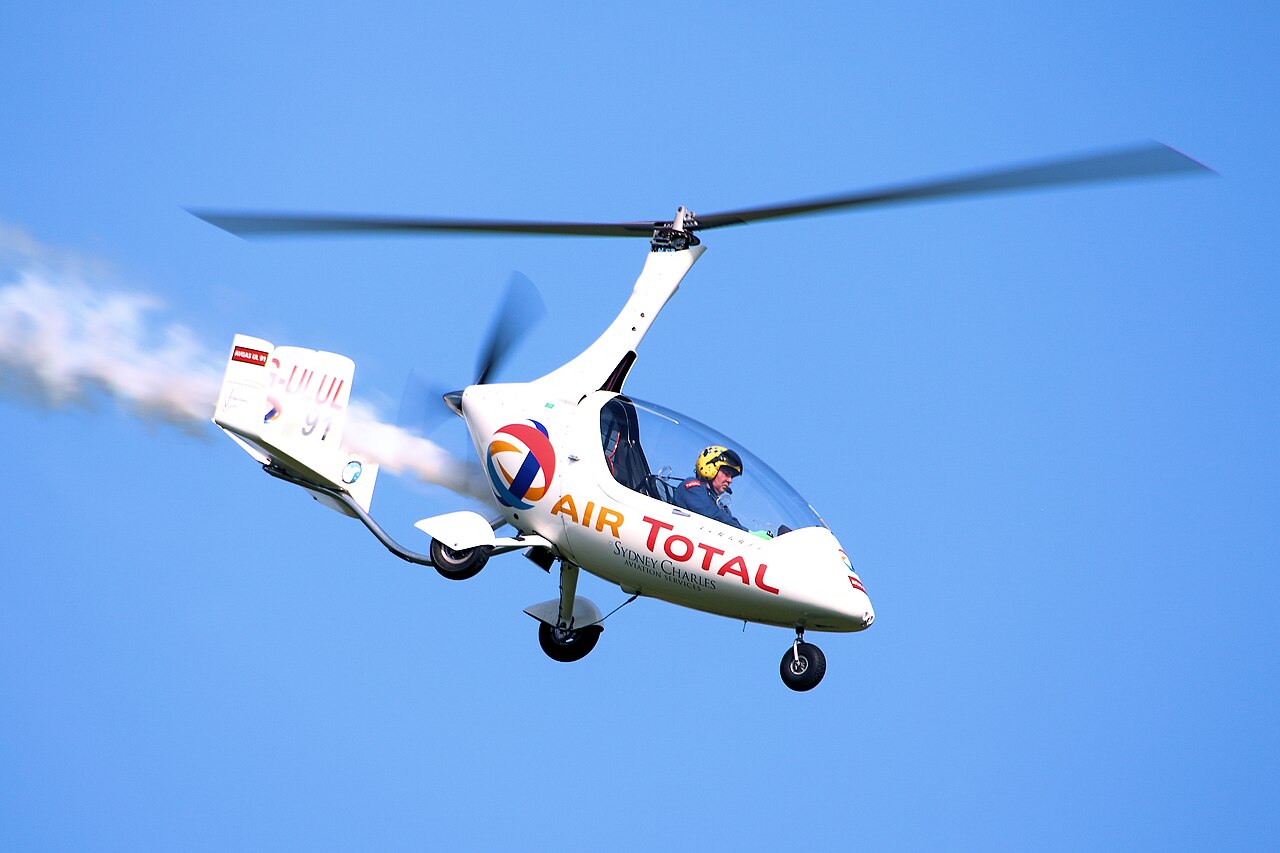
An autogyro uses an unpowered rotor that turns in the airflow to generate lift. A separate propeller provides forward thrust, distinguishing its...
Explore artifact